In this episode, I interview Dr. Krystal Werfel, a senior research scientist in the Center for Childhood Deafness, Language, and Learning at Boys Town National Research Hospital, where she directs the Oral and Written Language Lab. Dr. Werfel shares a faculty perspective on why the job talk is a very important part of academic job interviews. She discusses how to structure the job talk, prepare for questions from faculty members, and things to avoid doing. We also discuss participating in ASHA’s Mentoring Academic-Research Careers program. This episode is a must-listen for anyone preparing for second-round “on campus” interviews!
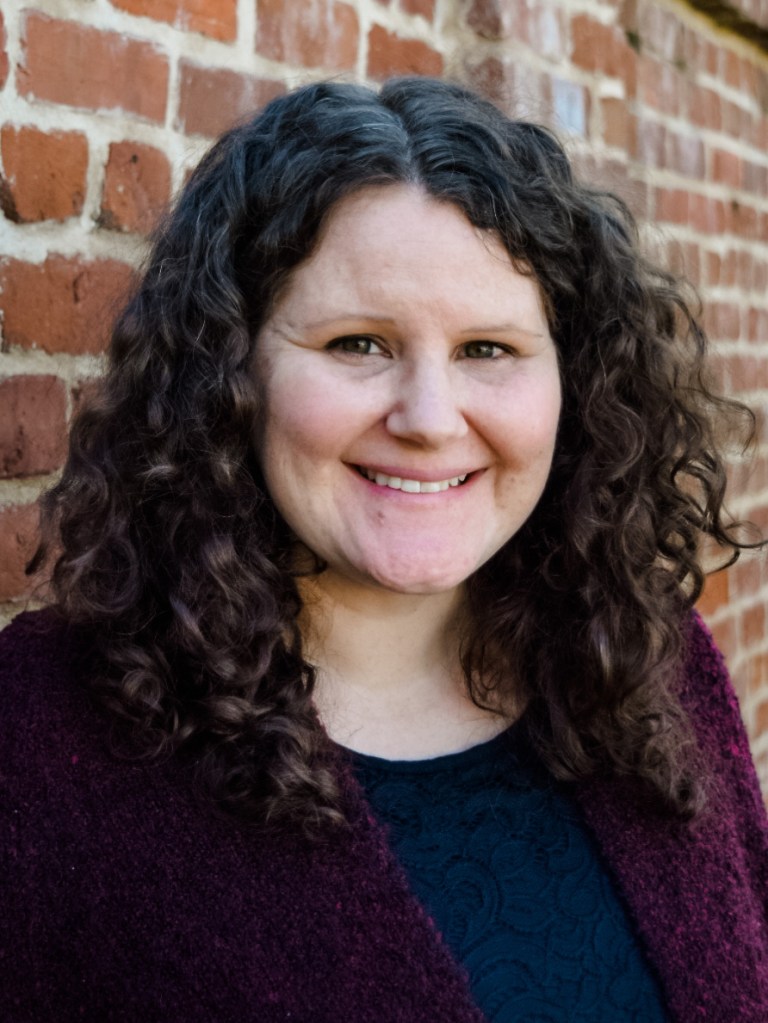
Dr. Krystal Werfel is a senior research scientist in the Center for Childhood Deafness, Language, and Learning at Boys Town National Research Hospital, where she directs the Oral and Written Language Lab. She also serves as director of the Research Participant Services Core in the Center for Perception and Communication in Children, also at Boys Town. She is a certified speech-language pathologist with specialty training in the interdisciplinary habilitation of children who are deaf or hard of hearing, and her research focuses on improving language and literacy outcomes for this population. You can learn more about her and her research at http://www.krystalwerfel.com and follow her on social media at:
https://www.instagram.com/btnrh.owllab/
https://www.facebook.com/btnrh.owllab
https://www.twitter.com/krystalwerfel
Transcript
NOTE: This podcast was transcribed by a free tool called Otter.ai. Please forgive any typos or errors.
Danika Pfeiffer
Hi Krystal. Thanks so much for being here today.
Krystal Werfel
Hi, Danika. Thanks for having me.
Danika Pfeiffer
I’m excited to hear your perspective on job talks. It’s always nice to hear from the other side, from the faculty side about some things that we need to keep in mind when we’re putting together a job talk. So really appreciate your time. I’m really excited to talk about it. Let’s start off with just learning a little bit about you growing up and your background before you started your academic journey.
Krystal Werfel
Yeah, so I am from a really small town in Tennessee. I used to joke I went to college at the University of Tennessee and and my hometown would fit like 15 times in the football stadium. So before I got to university, I really had no concept of what a university was, and actually ending up having a career where I’m in universities and research settings is completely different than anything I thought I would be doing.
So I went to the University of Tennessee for my degree, there was an early childhood development. I thought I wanted to be a classroom teacher. And I had a mentor there who had been a speech language pathologist before she had become a teacher. And after my first clinical placement that she was supervising, she really pulled me aside and said, You know, I think that your strengths would really work well in a one on one smaller kind of setting than a classroom. And so that’s how I found language pathology. And never really looked back from there.
Danika Pfeiffer
That’s awesome. I’ve heard a lot on the podcast and far about these mentors and how they play such a big role in shaping where we end up so that’s really awesome. How did you decide that you wanted to pursue a PhD?
Krystal Werfel
I did my masters in speech language pathology at Vanderbilt. And while I was there, I worked in Melanie Schuele’s lab, and just seeing like she I think is a scientist who goes a bit against the traditional, what you think of as an academic career and so really seeing how you have the opportunity to make this career track sort of your own, and the freedom that you have to pursue like your specific interests, as opposed to being in a position where you have more structure of the tasks that you have to accomplish and the things that you have to do. And so really just having that freedom to be curious about things and, and ask important questions and help find answers for families and for children was really appealing to me.
Danika Pfeiffer
Great. And can you tell us a little bit about the work that you do now?
Krystal Werfel
Yeah, so now I am a research scientist at Boys Town National Research Hospital, I run a research lab here and my labs called the OWL LAB, the oral and written language lab. Primarily. I am interested in improving language and literacy for children who are deaf and hard of hearing. I have one longitudinal study that’s funded by NIH and we’ve been following children who use cochlear implants and children who use hearing aids since they were four years old that most of them are in elementary school now. So really trying to understand what does the development process look for look like for these children? How does the literacy develop? What are important predictors that we should be thinking about and then ultimately, using that knowledge to develop interventions that help these kids have the best outcomes they can?
Danika Pfeiffer
Really important and meaningful and exciting work? What positions have you had so far during your academic career, just to give everyone a background with the lens that you’re coming into this conversation with?
Krystal Werfel
Yeah, so now my position I was not at a university. We’re a research hospital. So we’re a research institution. We don’t have teaching. We’re not affiliated officially with any university program before. I came to Boystown. I came here in 2021. And before I came to Boystown, I was first an assistant professor and an associate professor at the University of South Carolina in communication sciences and disorders. So that was a fairly typical research intensive position. So I taught two classes a year one, technically one and one but you know, the division of that can be very different. I actually I taught one class in the spring and one class in the summer for my Courseload there. And prior to that, I was a postdoc at Vanderbilt University and the lab I was in was an audiology lab. And we so that institution is I like to think of it as sort of a mix of University of South Carolina and Boystown where I am now so it’s a it’s a university. It has a training component, but really heavily medical school based.
Danika Pfeiffer
Okay, got it. And with all those different roles, you’ve had a lot of opportunity to mentor students that are going on the job market, which is why I asked you to come on today and give him your advice on what works and what to avoid when you’ve been on the job market. yourself a few times. So let’s dive into that. Now. The whole goal of this conversation today is to learn more about what a job talk is. Can you tell us what it is and why it’s an important step during the academic job search process?
Krystal Werfel
So the typical interview for a faculty position lasts about a day and a half to two days that used to be really standard after COVID And now with more virtual types of interviews that might not be quite the case anymore, but pretty standard. It has been about a day and a half and most of that is individual or small group meetings with different faculty, the dean, the department chair, and the job talk is a it on paper. It looks like a really small piece of the interview. But I think it’s a really important piece of the interview. So typically you get an hour both places I’ve been have tried to schedule that hour over the lunch periods so that most possible folks can come. So both in in both cases for me that was to allow for clinical faculty and in clinical staff to attend the job talk so when you’re interviewing at a research institution, either research university research intensive university or non university research place, really the job talk is very focused on your research. So folks, what what folks are interested in knowing is what are the big questions that you want to address? How have you done that so far? Is your work programmatic like can you weave together story and and where do you want to go from there? So the investment in an early career faculty person is, is very financially large. And so folks want to make sure like, what is your plan? Does your plan fit with our vision for this department, this institution and do we think you can be successful with your plan?
Danika Pfeiffer
Got it. Okay, so you have about an hour to articulate all of this, which isn’t much time to really cover everything that you want to cover. What advice do you have for really just where to start with putting all this information together?
Krystal Werfel
Yeah, so what I tell all my students and anyone else who has ever asked me to give them feedback on their job talk is you want to talk for 40 minutes, you have an hour, you want to talk for 40 minutes, you don’t want to talk for less, and you don’t want to talk for much more because you want to give time for everyone to ask questions. So I’ve been in job talks that have gone both directions when were people talking up to the very end and it’s clear that they’ve not finished and we haven’t had an opportunity to ask any of the questions that we’re interested in. And and that doesn’t go well. For those applicants. I’ve also been in talks were people finished really early, and then it was a little awkward. Everyone’s sitting around like what else can be asked? So I think it’s like first and foremost like you want to plan for hitting like a 40 minute mark. I think that’s a nice like, it gives people plenty of time to answer the questions, but it also gives you plenty of time to really give folks a good idea of your research.
Danika Pfeiffer
Okay, so aiming for that 40 minutes. You said one of the things to really hit on is how your research in your line is going to align with the program and the things that the program have identified as priorities. How can applicants figure out what those things are as they’re preparing their talk?
Krystal Werfel
So a lot of programs have a long term plan a strategic plan, they can be called different things. So and a lot of places publish those. So that could be one way do your do your background research on the institution and see what you can find that they’ve posted online or that they’ve talked about on your social media. Or things like that. I also think reviewing the program’s website is really important getting a feel for who’s on faculty there. What kind of work are those people doing? That’s generally what the expectation will be. Does that sound like a good fit for you? So that’s, that’s another thing that I always tell my students is the interview process is for the institution to decide who they want to hire, but it’s also really for the applicants to decide, do they want to be there? So just because you get an offer doesn’t mean you have to go? Just because you take a job doesn’t mean to stay so there’s there’s a bit of trial and error. So you can try to learn as much as you can about an institution and then you may get there and things are vastly better than what you thought they would be or are really not a good fit for you and that’s okay. But trying to figure out what is currently happening at the institution. When people have these really like large strategic plans for changes, they’ll let you know. So I have a student who was just on the job market this year, and one of the institutions has traditionally been very much a teaching institution, no research expectation of the faculty at all but they want to move toward maintaining that real focus on teaching and training new professionals but moving more toward having faculty involved in research and so that was, you know, front and center in the things that they discussed with her. So if there are instances where there’s a shift in thinking happening at an institution, I would be shocked if they didn’t let people. Okay.
Danika Pfeiffer
Yeah, that’s helpful. You really want to get as much information as you can during those conversations and looking at the website. Are there ways that you recommend people hit on these things? So if they’ve learned that there’s this shift to research for example, how can they talk about that in their job talk? Should that be aside should it just be mentioned somehow? How How can I leave that those kinds of things in
Krystal Werfel
Yeah, so this is totally my opinion, and other people may disagree with me, but I do not always love when people have slides, where they’re like and this is how I will collaborate with crystal and that person has ever talked to me at all. And maybe they’ve read a couple of papers and that seems a bit disingenuous to me. So I think like being more broad is more appealing to me. If for instance, I’ll use me as an example because I know my work so I study language acquisition and children who are deaf and hard of hearing. And the last place I interviewed was at Boystown, which it has a very robust long standing history and hearing science and so I did talk a little about the specific collaborations I would have, but I’m a senior scientist and I have like I have talked to those folks about doing those collaborations when I let them know I was thinking about making a move, but also just more broadly. I said things like I’m really excited at the possibility of being in a place with so many hearing scientists, because that’s a piece that’s been missing in my work like I I approach this issue of literacy from a really language perspective. And I look forward to being able to collaborate with folks to look at it from a hearing perspective as well. And so I would err on the side of being a bit more broad like that then talking about how you would collaborate with different individuals, if you haven’t talked to those people first. Okay, but that’s totally my opinion. And it may be that other people have really enjoyed that.
Danika Pfeiffer
Okay, totally makes sense. So but it sounds like making some kind of connection showing that you’ve done your research, you know, what kind of work is going on and trying to incorporate that somehow is really important during this talk.
Krystal Werfel
Yeah, I think so. Okay, so
Danika Pfeiffer
we’ve talked about the importance of hitting on the priorities of that department, in your job talk. What are other things that faculty members are looking for as they’re sitting there and listening to a job talk?
Krystal Werfel
Yeah, so for me, like while I’m listening to a job talk the number one thing that I’m looking for is what is the contribution to science that you want to make? So for me, it was my initial job talks when I was applying for an assistant professor level job. That was a really hard thing for me. To figure out. So in my PhD training program, we had to do three research projects. We did a first year project, a second year project and a dissertation. So I have this collection of three studies. And the first one was about spelling growth. Over kindergarten in children with typical development. My second one was a single case design, phonological awareness intervention for children who are deaf and hard of hearing. And my dissertation was identifying linguistic predictors of spelling for children with decoding so I so I had these three like pretty separate projects, that honestly I did, because my mentor said, in your PhD training program, what’s more important than content is farming method. So I did these three different studies because they focused on different methods that I wanted training. And I had a really hard time in this job talks like tying together like how does, how does this collection of work, tell people who I am as a scientist, and what are the things that I want to do and so it took me a really long time and I had to really step back and talk to a lot of people to figure out like, how do I tie these things together so that they so that people see that I have a programmatic and it took a while but ultimately what I how I ended up framing it was I’m interested in how language impacts literacy. And so these are the different ways that I’ve worked with that. And, and so thinking about like typical development, thinking about intervention, thinking about children with language disorders and and how, how moving forward. What I would be focusing on is how language disorder and or sensory loss like hearing loss impact your language and subsequent literacy acquisition. But it really was a hard process for me to like, get to that point of like, I’ve done these things I’m interested in I wanted to learn these different methods. But but how do I frame that moving forward? For what I want to focus on? So I think that’s the number one thing that I look for is like, when folks are talking about the prior work they’ve done? Is it a bit more scattered? Like, oh, this person was doing this thing and I’m interested in that. So I’m on this project, and I’m on this project to animal on this one, but don’t really have that user’s identity for themselves. So that’s something that I really value in a job talks when somebody can be very clear about their identity as a scientist.
Danika Pfeiffer
Okay, that’s so helpful. That example is so helpful and really having to take a step back and figure out how are you going to describe your work and how, how can you help others make sense of the work that you’ve done in a very clear way
Krystal Werfel
and for me, you know, a better process would have been before I did all these three projects thinking about what is my programmatic line of research, but, but I didn’t do that. So when you’re in a position where you’re like, oh, this might not look like they’re super related. Being able to tie them together is really important. But I think a better approach would be before you start your work, thinking about like what are my long term goals and really shaping things based on that? Not to say that you can’t change your mind and pursue different areas. But
Danika Pfeiffer
yeah, I think many people end up in that boat just because they don’t know what the job market really looks like when you’re starting your PhD. You know it just seems so far away. So a lot of people I think, end up in that same place of trying to make some kind of story makes sense. So that I can post really helpful as folks are starting to put their job talk together, where should they seek feedback, who should they go? To to get advice on how to put things together or to run through the job talk and get advice?
Krystal Werfel
Yeah, so are the first person to talk to about a job talk is your current mentor. So if you’re, if you’re in a postdoc, you have the benefit of having a postdoc mentor and also your PhD mentor to talk to you. So I would always start with the mentor. Another really helpful resource that my students have found, is getting feedback from each other. So there’s always folks who are in the Ph. D. program a little bit ahead who have done job talks already or folks who are in their first or second year of a faculty position who had been PhD students with you. And so getting that sort of feedback to so I can give my students feedback based on what I want to know, but often they are applying at institutions that are different from ones that I’ve ever worked at. So I’ve never been on a search committee for those sorts of jobs, talking to other people who just been through the process, I think is super important.
Danika Pfeiffer
Perfect, that’s great advice. I know the another resource that I used was being part of the work program, and getting advice from someone who was not one of my mentors and you know, it was really not connected to my work at all. And it was so helpful to have another outside voice looking in on my work and helping me figure out where the pitfalls were and where I needed to fill in information. So that Mark program through Asha is another great resource.
Krystal Werfel
Yeah, I totally agree. That’s a great point. So sometimes people who are really close to your work, don’t see the questions that folks who are not familiar would have so we’re this is not related to a job talk. But my collaborator and I are working on revising and grant application now and we got an OK score last year, and we’re looking back through it and we’re like, Oh, of course we needed to say this thing, but we are like so close to it that we didn’t see that that would not be clear to someone who wasn’t in like in the mix of work.
Danika Pfeiffer
Yes. Yep. And having that other voice that outsider can be so helpful. And earlier you mentioned another big thing to make sure you’re talking about in your job talk is not only what you’ve already done, but what you’re doing now and what your plans are for the future. Do you have any advice on how much time you should be dedicating to those? I think that’s always a struggle of like, How much am I talking about what I’ve already done versus what I’m going to do in the future. Do you have any tips for kind of balancing that during the top
Krystal Werfel
so our center is expanding? And we hired three new sciences last year, and I just thought their job talks were amazing. And each of them spent the majority of the time talking about the work that they had done that had led them to this point. And then one of the best slides I’ve ever seen in a job talk was someone put out like, this is my in the next five years. This is my plan for what grants I’m applying for. And this and it was there was a figure where I’ll probably get some of the parts wrong. I just haven’t been read this figure. So it was two different grants, I think an ash Foundation grant which are fantastic to think about early career, and then an early career are 21 from NIH, and they talked about some of their prior work and that was in the figure and how that was leading to the different proposals. And I just thought that that was that was evidence that someone had very clearly thought out what are the next steps from here? So I just loved that slide. I told my students to start putting slides like that and they’re dropped off.
Danika Pfeiffer
Yeah, that sounds great. That sounds like you’re able to convey that you have a very clear plan of your research going forward, which is what actually want to see any other things. So some potential grants that you might apply for besides the work that you’ve done, you know, you can say this is the publication that I have these are the grants I’m going to apply for anything else, any other kinds of information that people might want to think about weaving into their job talk.
Krystal Werfel
Yeah, so this maybe not weaving in so much. But one thing that I really, really like in presentations is when you’re talking about work that’s already published, take a screenshot of like the top half of the title page of that journal article and put it on the slide and it’s just like such an in your face visual of like, I did this work successfully, and I have a peer reviewed publication from it and so for a research intensive institution, I think that is just a really nice, easy way to not have to keep saying Oh, and this is published in whatever journal it is, but it’s just like on the slide and you’re able to see that. So I think thinking about doing things like that is really helpful. The other thing that I really like to see in job talks is thinking about how the work that you’ve done previously, leads not just to what grants that you’ll do in the future in the next five years. But what kind of so this is for this is perhaps specific for clinical fields. But how does the work that you’ve done even if it’s not translational or clinical work, like how does that work like, impact the the kinds of services that so for me, like children who are deaf and hard of hearing other populations served by SLPs or audiologists, or educators, like how does that impact though those lives? I think it’s easy as a scientist to get into like, I’m doing the science my science is very well controlled, I have a lot of experimental control. But then how, how do you as a scientist, ensure that your knowledge is approachable and accessible to clinicians or teachers? or parents or policymakers or you know, any of those sorts of folks who, like have a real investment in practice or policy?
Danika Pfeiffer
Yeah, that’s a great idea. I Yeah, that’s so important. And that’s why we’re all here. You’re doing this work right and so that it ultimately will have a positive impact on our clients in the those that are receiving our services. So I think that’s a great idea. Something else that I was thinking about was how about things like volunteer organizations or any leadership positions maybe that this person has, do Is there a place for that in the job talk? Should they be mentioning ways that they are involved in the field or really just keep a focus on the work that they do?
Krystal Werfel
So I think it depends. I think that that doesn’t, that shouldn’t be the focus of the job talk. But I’ve seen really great job talks where people you know, in this, the icebreaker sort of beginning, have a slider to that just to show like, who am I as a person, not just a scientist or a teacher? And I think that that can be really well done. So we when I was in South Carolina, we had, for example, a job talk where someone was coming from someplace that was a very different climate. And also, this position was a position that had been open for several years, not several years, but had been open for a few years and there had been some difficulty filling it because it was really specialized position. And so like the very first slide was a picture of like this person’s house, covered in snow and South Carolina does not ever get covered in snow. So it was just like a really nice icebreaker. Like, why do I want to be here? This is like, this is why everyone’s at ease. And then let’s jump into the science. And then in terms of volunteer kinds of things, I we just this was not for a job talk. This was for clinical position that we’re trying to hire. But this person had like really relevant volunteer experience for the position that they would be in and so and in that case, I think it’s a really great idea. So I’ve seen job talks where like, in those first couple of slides, folks will show a photo of they were a camp counselor at a camp for kids with fluency disorders or you know, something like that. And so, just like, I think that it can be included, but certainly not the focus. Okay,
Danika Pfeiffer
got it. Are there any things that applicants should just avoid all together? Any advice you have about things that just leave out not to mention?
Krystal Werfel
Yeah, so I’ve done a lot of search committees. That means I’ve been in a lot of job talks and their job talks like the one with the figure of like, how that person had decided what the grant plan would be was fantastic. I’ve also been in ones that were very, not fantastic. So one example was, so this was a purse. I’m going to be very vague. So this was a person who was a little bit outside of the field. And it was very clear during the job talk that this person had not done a lot of research about the field. So I think like, given the shortage of PhDs in our fields, it’s really well documented a lot of like sort of related fields. Folks have started to be encouraged to apply for jobs in in art departments because they’re much easier to come by. And this was a person who was in that position, and clearly had very little knowledge of communication disorders and the theoretical approaches that we take and things like that. And so like in the in the very first couple of slides, characterize their work in a way that was incredibly off putting to anyone who has a background in communication disorder. The lesson there is if you’re applying for a job, like making sure that you understand like what, what are the philosophies of the folks in the room, and that’s that’s pretty easy to find. So, so in my area with children who are deaf and hard of hearing, like there’s a lot of really strong opinions about communication modalities and things like that. So it’s important to understand Who are you talking to? The
Krystal Werfel
I see hand hurry talking to the other thing that I’ve seen that was very off putting was, um, there was a person who owned a company, which is totally fine. I have never been in an institution where you’re not allowed to own a company. This person owned a company and brought samples of the product to the job, talk and pass. them around for us all to have. And that was just very off putting.
Danika Pfeiffer
Yeah, like a sales pitch. Yeah, yeah. Okay, definitely avoid those things.
Krystal Werfel
Those are the big things. The other things are like I talked about this at the beginning. So I have a friend who was like a shoo in for a job and ended up not getting it because the job talk was so that means the institution changed their mind. Okay. So thinking about those sorts of things. And then just really remembering that if you make it to the point of having a job talk like these folks have already decided that your science is worth thinking about, including as part of, you know, like that institution sort of portfolio. And so the job talk and the interview process as a whole is is not often for you to prove that your work is really good, or that you know a lot about your area the way that we you know, like expect our students to do in a dissertation defense. The job talk is really to see like, is this a good fit? Would you fit in well with the culture of the department? Do you think that you would enjoy working in an environment like that and so, like those sorts of more interpersonal things are often more of the focus of the interview. Because like based on your CV, people have already decided that you’re worth taking a look at.
Danika Pfeiffer
Okay, that’s helpful. That’s very helpful. And you mentioned when you’re talking about just the general kind of outline of the job talk that there’s going to be this q&a that happens after you’re done and the audience could be pretty mixed. You might have clinical faculty, research faculty, the Dean might be in the room. So how can applicants prepare for some potential questions that they might get?
Krystal Werfel
So when you have folks listen and give you feedback on your job talk like ask them what questions do you think might come up from the way that I framed my work? The other thing that I think is super helpful is and also the sign of a really strong scientist is to really sit with your information and think about like, what are the questions that people might raise? Who’s gonna be in the room? How might their perspective differ from mine? How might their method different from mine? What kinds of questions might I anticipate based on those things? The other thing I really love to see in job talks is so we call them Larry Leonard slides. And that’s because so if you’ve ever been to a talk that Larry Leonard has done, he is a master at this. Someone will ask him a question. And without fail, he says, Oh, I have a slide for that. I thought someone wouldn’t would ask that. And he like in the whole question and answer session. He has slides for everyone’s questions because he has sat with his data. He has sat with his conclusions and he has anticipated what are the questions that other people might have about this? So he I mean, he is a senior scientist, a leader in his area. It’s much easier for him to do that at this stage of his career than it is during a job talk. But even just beginning to go through that exercise of what are the critical pieces here? I think it’s super helpful.
Danika Pfeiffer
Great, great. That’s very helpful. Yeah, having those. Those extra slides I can can look really impressive, too. And you’ve you’ve been able to anticipate some of those even if it’s only one of those slides that you’re able to pull on. I think it’s worth the extra effort to add those in at the end of your presentation. All right, you’ve shared a lot of really helpful information. Do you have any final advice for applicants as they’re crafting their job talks on things to do things not to do as they’re preparing to go on the job market?
Krystal Werfel
Yeah, so these are all like more technical sort of things. But the things that you know, that we talked about in my lab are, you never want to read your slides. Like ever, you do not want to read your slides. So as much as possible, don’t protect on your slides, like really have them to be like you are the conveyor of knowledge and they’re there to just support you. So if you have something that’s really complicated, then it might be helpful to have a definition on the slide. But if you’re talking about your findings, a lot of times it’s mostly helpful to just have the figure out and then you’re talking about it and helping people to work through this figure. Because otherwise, if your slides are really busy, people will be reading and not listening to you or people will be listening to you and not reading and so you may have some mismatch in what you think you’re conveying and what people are taking it. So I think, like, simplify the slides, definitely don’t read them. The other thing I still do this and in every talk that I give, is I write out the full script. I read out the full thing. I practice it many times. And so I by the time that I get to the presentation, I’m not reading my script. He’s you don’t want to sound like you’re reading, but I know it’s so well that I can talk through it. I can add in little asides when I want to. I can gauge the audience and see like, Ooh, looks like they did not follow that at all. Let me try it again. And I get really nervous when I present. So if I lose my place, I have a full script like I just have to find it. And then pick it up and keep going. And so for me, that helps me that helps the anxiety of like, I’m going to totally lose it and then I’m not going to be able to keep going. And I very rarely have to actually look at the script but just knowing that it’s there. helps me to have confidence as I’m going through. The other thing that I think is super helpful is finding out beforehand if you’ll be able to use Presenter View or not. So I’ve seen a few job talks where people were relying they they thought they would have access to their notes and then they did it. And it was very clear that they weren’t able to to really present the talk without the notes. So I think finding out if you will have access to those and then preparing what you won’t anyway because like maybe the power’s out or maybe the like they can’t get the projector turned on. And you still need to be able to give your talk.
Danika Pfeiffer
Yeah, that’s so smart. Yeah, just prepare like you won’t have it so that way. You’ve talked through it enough that you have enough to really pull on. I think that’s really smart. There’s always technology issues, so just be prepared.
Krystal Werfel
Yeah, the other thing that I almost never put audio or video in my presentations, because without fail, that technology won’t work.
Danika Pfeiffer
Yes. Yes. Yeah, I know. Some places will let you kind of test it out. You know this may be some time earlier in the day, you know, testing everything out. And still when it comes time to present it might just not work. So
Krystal Werfel
I think that’s not to say don’t ever include those things but have a backup plan. Yes,
Danika Pfeiffer
yes, definitely. Okay. Well, thank you all so helpful. And I always at the end of the episode, ask a few rapid fire questions too, I guess. So we’ll go into a couple of these now. The first one is what is one resource that you couldn’t live without?
Krystal Werfel
Oh, Goddess. These see these are rapidfire because I haven’t had a chance to prepare for them. Um, so one thing that I really use a lot of one of my students actually encouraged me to do it is it’s layered statistics and um, you can purchase a subscription for very deep and for people like me who like pretend that they’re good statisticians. It’s really helpful to walk through like all the assumptions and thinking about like, what’s the most appropriate analysis and things like that? So it’s like having a statistician at your beck and call all the time. And I always feel like I’m way more prepared when I talk to like the actual statistician. And so that’s something that I use almost every week.
Danika Pfeiffer
Oh, awesome. I’m gonna have to look into that. That sounds really great. What has been a defining moment in your academic journey?
Krystal Werfel
Yeah, so actually, this is super easy. I don’t have to think about this at all. So I was invited to be part of a pre conference for early career folks. At an at an international reading conference several years ago. And I was the US representative. There was a UK representative and a Canadian representative. And the very first thing we did was walk through our academic journey. And mine was like, I mean, mine was I had never left the southeast much less like the country. But I did my undergraduate at Tennessee, and Tennessee. I did my masters PhD and postdoc at Vanderbilt in Tennessee, and at the time I was on faculty at South Carolina and and their journeys were so different than mine. So like they had been at this institution, and then they went here and then they were there and then they went here. And I was just, I was struggling at the time of like, Am I really like Am I really happy in this position is this the position? That’s the best match for me? Um, but I was like, close to tenure. And you know, you’re like, don’t leave places when you’re close to tenure or pre tenure, because that doesn’t look good. And then people will have questions and my friend from the UK was like, What are you doing? Like you have to do what’s good for you and what’s good for you may not be to stay one place forever, like no one stays one place forever. And so for me, that was really just sort of like a reality check of like, I had made up in my mind like i i It is such a big deal to leave an institution like it’s such a big deal and what will people think and like, none of those things mattered. Like, you know, in the UK, especially, it seems like people move around a lot and it’s expected and if you don’t move around, it’s like, why are you like, why are you not taking chances? And so that was like really a wake up call for me to say like, if this isn’t a good fit anymore, it’s okay to do something different.
Danika Pfeiffer
I’m so glad you shared that for all the early career researchers that are listening to this that is such a nice reminder and probably not really how I feel like a lot of us have been trained with that mindful Absolutely.
Krystal Werfel
Yeah, absolutely. No,
Danika Pfeiffer
no, but I really grateful that you shared that. I think that’s a great reframing.
Krystal Werfel
Yeah. And it’s not to say that like I wasn’t being successful there, or that like any institution is necessary, like when someone leaves it doesn’t mean that institution is necessarily bad. It’s just not a good fit. Exactly. And it could have been a good fit and now it’s not anymore and
Danika Pfeiffer
so then it’s okay. Yeah,
Krystal Werfel
it’s totally fine.
Danika Pfeiffer
What is one thing on your professional bucket list?
Krystal Werfel
Oh on so I just did one of them actually. So I need to like find a new bucket list. So I have been trying to do to go to a conference in Australia for many years. And I finally I was said to do one in 2020. And we all know how that was. But so I just this summer just did mine. I’m so new on the bucket list. Let me think you know, one thing that my collaborator Emily Londonderry has always talked about doing is writing a book for parents. So that’s something that we’re really passionate about is doing good science, but also balancing that so we have sometimes have trouble in grant review, because we’ve really highly value balancing very controlled science with like, Can this actually help anyone? We did our masters together. So we’ve known we’ve known each other and been working together since then. And we’ve always talked about like, having resources for parents. And so I think like that’s something that is like really top of mind. So I have two young kids. Now I have a two year old and a almost one year old. He’ll be going next month. And so really thinking about, like what is the lasting impact that we can make?
Danika Pfeiffer
Yeah. Oh, that sounds awesome. I think Keep us posted on that. All right, almost done. Just a couple more here. What has been your favorite part about your job as a professor?
Krystal Werfel
So as a professor, by and far my favorite part is mentoring students in the lab one on one. I love mentoring postdocs. I love mentoring dark students. I’ve had high school students in the lab. So just like showing people who are really clinically minded that being a researcher doesn’t have to mean that what you do isn’t clinically relevant, I think is so exciting.
Danika Pfeiffer
Exciting and important. Yes. And how can people connect with you or learn more about you and your research on
Krystal Werfel
Instagram? We’re the btnrh.owllab. And the same on Facebook. I’m on Twitter, sort of some times. And then I have a personal website too www.krystalwerfel.com And it’s a work in progress, but like really thinking about I’m also thinking about, like, how can we share resources with parents and families and clinicians that are based on the work that we’ve done?
Danika Pfeiffer
Awesome. I will put all those links in the show notes so people can reach out and follow you. Thank you again so much for your time.
Krystal Werfel
Yeah, thanks for having me. It was fantastic.
 About, From, & With