Dr. Andrea Ford is an assistant professor in the Department of Communication Sciences and Disorders at the University of Cincinnati. Before going back for her PhD, Andrea worked as a speech-language pathologist in birth to three and preschool settings in a suburb of Minneapolis for six years. Her practical work drives much of her research and teaching interests. Currently, Andrea’s research focuses on ways to promote and support implementation of evidence-based practices that support communication for young children with disabilities in early learning settings.
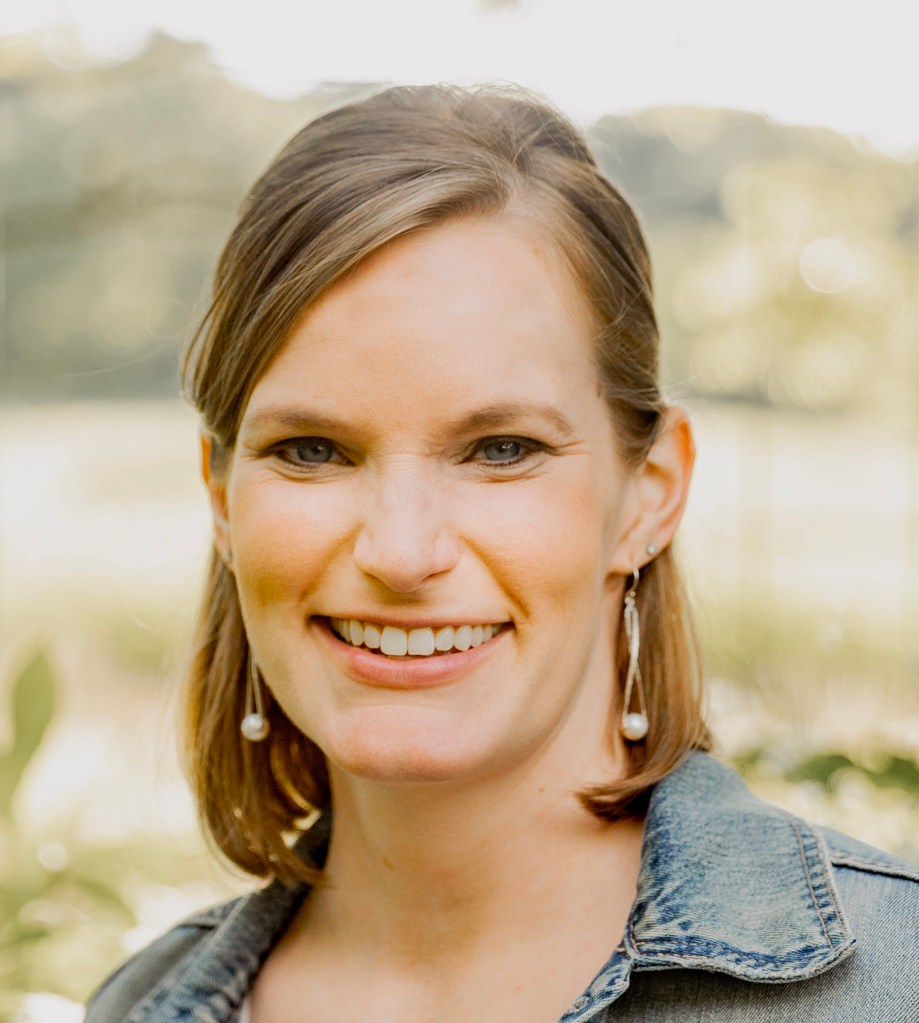
During this episode, I chat with Dr. Andrea Ford, an assistant professor in the Department of Communication Sciences and Disorders at the University of Cincinnati, about her experience on the job market and how she navigated receiving multiple job offers. We discuss the process of receiving offers, deciding what to negotiate for, and evaluating offers to decide which position is the best fit. Andrea also mentions the ASHA MARC program and negotiation webinars such as APA’s Nothing is Going to Stop You Now. You can connect with Dr. Ford on Twitter @AndreaLBFord and learn more about her research on her professional website.
Transcript
NOTE: This podcast was transcribed by a free tool called Otter.ai. Please forgive any typos or errors.
Danika Pfeiffer
Thank you so much for being here to share your experiences with us today.
Andrea Ford
Absolutely. Danika, thank you so much for including me. I’m excited to be here.
Danika Pfeiffer
Absolutely. I feel like this could be a little bit therapeutic for both of us going through the target process and being over with now and getting to talk about it. Oh my gosh, yes,
Andrea Ford
like totally cathartic, just to like emote, all of the things that we went through. For the last I don’t know, was it a year that we met? I got I can’t remember. Yeah, it
Danika Pfeiffer
has been about a year now. Yes. Well, before we jump into it I want to ask a few questions just about you and your background. Can you tell us a little bit about you growing up before you started your academic journey?
Andrea Ford
Yeah, absolutely. So I am a Midwest girl born and raised I was raised in in born in Madison. Wisconsin. When I was younger, I loved to play like tennis and bar though I was always really active. Like I think that was always what I really liked to do. I like to be outside and then the outdoors. And so you know what I really liked to play and I also babysat when I was younger, and I think for me, that’s what kind of spurred my interest in sort of working with kids is I may be jumping ahead on some of the questions but but that sort of was in my when I was younger, I loved being around little kids. And so I grew up in the Midwest, like I said, and then went to college at UW Eau Claire. So University of Wisconsin Eau Claire just a little bit more than northern Wisconsin and started by kind of academic journey there.
Danika Pfeiffer
So you had this early interest in kids, and then you decided to go to University of Wisconsin and what did you decide to focus on there? Yeah, so
Andrea Ford
Interestingly enough, some my entire family now including my sister are all UW Madison, their badgers so my dad was a professor at UW Madison. My mom was a research nurse at UW Madison, and then Oh, yes. And now my sister works at UW Madison, as the director sort of grants for the pediatrics department. So it is very much a research family, I think, whether we chose it, or we just sort of were grown up into it or kind of that way, but for me, I actually started as pre pharmacy so I was very into the the kind of the hard sciences I would say. I was taking chemistry classes and biology classes. And I remember this semester I had I think I had like nine hours of lab and it was like a physics bio and chem and I was like, wow, this is not for me. It was it was so much so for me it was I think maybe my first or second year that I took an intro to communication sciences and disorders course. And I can tell you I started that class and I was hooked. Like, I made the decision that year to switch and and the only reason I knew about the field so I had talked about how I really liked babysitting and did that a lot. What is our little voice I babysat for his speech therapist came over when I was helping with his siblings and it was a home based service. She was doing early intervention and I remember watching and being like, she’s just playing. This is so cool. Like I can totally do this. This looks so fun. And so I think in the back of my mind as I went to college, I was like, oh, maybe that’s the thing. And then I took that class and the rest is history. I just I went down that field and did my undergraduate and master’s at Eau Claire, and then went to work after that. And so that was really kind of how I started and, and as I took the classes, you know, I knew I knew the field is so broad and you get training and everything, but I always knew I was going to be more pediatrics. I thought maybe originally I would be in more of a hospital setting. But I ended up in the schools and I wouldn’t change a thing about that.
Danika Pfeiffer
I had the same experience. I went to grad school knowing pediatrics I thought maybe a children’s hospital and then I went straight into the schools no doubt about you.
Andrea Ford
This is so great. I’m learning about you!
Danika Pfeiffer
When did you decide that you wanted to get your PhD?
Andrea Ford
Yeah. So I was fortunate enough in my undergrad and graduate work to be able to do research being a smaller institution. So if if people don’t know about UW Eau Claire, it’s kind of a regional school so it’s smaller. It’s not like University of Wisconsin Madison. It tends to be much more clinical prep. So it’s not designed like a big research institution, but really supported faculty student research. And so actually, as a freshman, I was connected with nursing and social work to do a research study on sort of death and bereavement around students in a nursing course and so I was able to do some really early experiences and then shifted those sort of into the communication sciences and disorders. And I really loved it. I thought like, the thinking about problems and finding the data to solve the problems was just this really cool thing. And so my advisor at that Dr. Linda Carpenter, who I still keep up with and totally adore. She and I applied actually through Asha for the students preparing for academic and research careers. So the Spark Award, we were lucky enough to get it and I think that sort of funded my ability to go to conferences and you know, present some of the work we had done in the back of my mind that eventually I wanted to go. I knew I wanted to practice for me. I felt like I wouldn’t know what to research, how to teach it. If I had never done the job and really kind of understood so I actually waited a little bit. I worked for about six years in the Hatfield school district. So I actually moved up to Minneapolis and Minnesota. And I worked there for six years, and that was I worked in a school district doing birth to three and then also three to five services. So home based in classroom.
Danika Pfeiffer
Oh, that’s awesome. And so then you decided so how did you figure out what to do? Because I think a lot of people are interested in doing a PhD but then they don’t really know how to even begin looking for a program and figuring out which ones are best for them. So
Andrea Ford
Yeah, I think that’s a really, really good question. And I think it is it’s a hard question because I think, you know, I don’t know your experience, Danika, but when I was looking for a master’s program, you really looked at sort of the reputation of the program. itself and what it was going to provide you. And my understanding was when you went for your doctorate that you’re looking for really the mentor like you wanted to find somebody whose research and their interests really align with you. That was sort of the approach I took in my advisor for my graduate program. Dr. Carpenter really helped kind of me navigate that process a little bit as we’ve talked about the program. So I think one thing that can be helpful for people looking is, you know, thinking about going for the PGA is finding a mentor or somebody who’s done it and kind of picking their brain to figure out you know, what you need to do and then I would say I started looking at people who were interested in things that I was interested in, so or if I had been to their workshops, so I had seen Dr. And Tiser out of Vanderbilt. I had gone to a workshop with her and Dr. Megan Roberts and so I looked them up as a potential I had seen Dr. Amy Weatherby and Dr. Julianne Woods present as a professional development. So I looked them up and then at the University of Minnesota and they were at Florida State and then I looked at University of Minnesota with Dr. Leon Johnson and she did a lot of early childhood work and so, you know, I looked at different programs I applied kind of broadly to see what will fit and what I felt like was the best fit. I’ll say that when I met Leon Johnson, so I ended up going to University of Minnesota for my PhD. I knew pretty instantaneously like this is where I needed to be there was just so much I think professionally like we really clicked on but also just personally like her approach to really a work life balance.
Danika Pfeiffer
But these are important.
Andrea Ford
And as you know these programs can be so all consuming and I just felt appreciated for takeout. System a balance like you could still get married or if you wanted to have a child or if you wanted to go on trips or do fun things, you could still do those things and get your PhD.
Danika Pfeiffer
That’s awesome. That’s so important when you’re going through one of these programs. Do you remember how you figured that out? Because I feel like some people might be scared to ask some of those questions.
Andrea Ford
Yeah, you know honestly, I think part of me if it was probably just ignorance, but I asked I asked a lot of just like so, you know, what do people usually do in the program and how do you support you know, things that people are doing outside of the program and and how what was their view also of sort of the work life balance and I could tell by people’s responses right away whether they liked the question that was really telling for me so I think you know, maybe going back maybe I shouldn’t have been right so direct, but I also think it got me the answers that I needed and and I learned a lot because I think for me, I knew the places that weren’t going to work for me and the places that would work for me. So definitely,
Danika Pfeiffer
It’s so important to find that good fit. Yeah. And if you need to ask the question those hard questions then ask them because you’re going to be investing all your time in this place for you
Andrea Ford
And you want them to be excited about you. So it’s like you want to make sure you’re there’s a lot of synergy between what you think you can bring in what they you know, will bring to you and so, I would say you know, I found that actually with a lot of the places I applied at both with Dr. Kaiser and and especially Dr. Julianne woods, like she was fabulous. And I think for me, it also came down to location and I’ll talk about this when we get to kind of our jobs stuff as well. Is Minnesota allowed me to stay where I already had a community of people and I already had family and friends and knowing when you go for your PhD that income is a huge issue go it was just nice to know that I had family support not only just like financially, if I needed it, but also just emotionally and mentally as you’re going through the program. So for me it was it was not just the vibe of that, but also just location as well. I think that’s something that’s really, really important to consider.
Danika Pfeiffer
Yes, absolutely. As you finish up your PhD, I know you also did a postdoc. So how did you decide to make that transition to a postdoc position?
Andrea Ford
Yeah, so I actually hit the job market. I think it was just finishing up and then kind of COVID hit. I knew I think actually, I’d applied the year before I was ended up finishing and I was debating what to do I thought I would hit the job market and I did and I just didn’t have a lot of success on my first round. I wasn’t finished so by that point, I had proposed my dissertation but I hadn’t started really data collection and and I knew it would take me a while but I gave it my best shot just to kind of get my feet wet and nothing really panned out. So what I kind of realized was, I had sort of this opportunity where I could go ahead and I had funding to stay on two research projects as a project coordinator. And so I decided just to do that it felt like I had two years to find myself a little extra time to get some papers out to look at applying for maybe a small grant on my own. And I was really fortunate. my postdoc was not a traditional postdoc, so it’s not a postdoc that is often like a training grant or there’s other kinds of fundings. I would consider my postdoc is really sort of a project coordinator. So I was doing a lot of the research kind of things, just managing projects, but was able to do some things for myself on the side. I was very fortunate that my advisor, really let me do a lot of papers that she knew would help kind of grow my development. I was I don’t think that always happens. But I was really fortunate to have her support, because we were getting the things done. We needed on our projects, and my interest sort of really had a lot of synergy with the things we were working on. So I was fortunate that way that just the position allowed me to still kind of do some of my own work on the side while I was still sort of managing some of these other projects. And so, I think, you know, it was great that it worked out but I think it also worked out because I didn’t get a job. I think that was that was a big part of it and during COVID Because COVID hid shortly after I finished my PhD. We actually ended up moving out of Minnesota to San Diego and we also knew that we were going to try to have a baby at the same time and so
Danika Pfeiffer
there’s life things.
Andrea Ford
There’s all these like things and so my husband and I were like wow, I’m sort of have this two years where I know, unless something fabulous comes along. That’s just like go on this adventure and I can do this job and do some fun things and live life and have a baby and you know, I’ll do all these things. And so it was this year as I kind of knew my funding, like the grants that I’m on were kind of closing that I was like, Okay, it’s time to hit the job market. And I you know, as I would talk with my advisor about it, too, it was like she and I both both knew that this was not my forever that I didn’t want to continue in this. I eventually wanted to be in a faculty position.
Danika Pfeiffer
So this time around when you started applying for jobs. What did that look like?
Andrea Ford
Yeah, good question. And I think we’ve talked about this probably a couple of times is in our meetings, you would hear me say I’m just casting a very wide net. Just because I had known so many people who had that on the job market and found it really challenging. I think knowing I think COVID impacted a lot of things. I think universities were hiring slightly less, there was a lot of uncertainty. And I think there was just so many more people graduating and sort of this influx of people. So every position was so much, I think more competitive. So when I applied, I also wasn’t entirely sure that I wanted to be a full research institution or if I wanted a balance of research and teaching more so so a higher teaching loads a little less time for grants and things or something that’s like very grant intensive and very research intensive. So I really applied pretty broad to a number of different programs. That I think a couple things, I think fit that bill of being a little balance of teaching and research or full research more or more so research. I shouldn’t say full because you’re still teaching, but also location. I think for me there were certain locations that were more desirable for us than others both for my job and then also my partner’s job we needed to be in like a bigger city that had biomedical engineering because that’s what he does. But we also wanted to be semi close to family, so maybe within driving distance of one of our family members and so I think there was you know, a number of things as well and I think the other piece is just looking for the jobs that were hiring in my area because there certainly was a lot of jobs out and I think you’ve probably experienced this too, but that they weren’t looking for what I did. So they might have been speech science or audiology or something totally different. I was like that’s not my wheelhouse. That will never be my wheelhouse that can apply to you. So I think it’s sifting through the things to find what could be you could be a match for and that they might see you as a match for.
Danika Pfeiffer
Yeah, that’s so important. I’m glad you highlighted the personal aspects as well as the professional because it really is trying to find a balance of both. And I think sometimes people go into it and they think that they can’t be picky and choosey when it comes to personal things, and they just choose whatever they can find, which sometimes you have to do that. But if I feel like those personal factors sometimes you really can’t ignore those because this is your full life. This is this new work right when you’re gonna do more than just work at this place. So yeah, it really is important to listen to those personal factors and things that are popping up in your head like could I really live there would this actually work?
Andrea Ford
I think so. Yes. I think it’s like, you know, I think what it came down to is for my husband to it’s like, does he want to live there? Like, is he okay with this area too. And, you know, it’s balancing all of that. It’s like, is the job so great that it may outweigh some of the other things or is it that even if the job is great, but there’s all these personal things? You know, I think I think that’s a challenge for people is to figure out when all of it and try not to exclude the personal I think it’s exactly what you’re saying. Because I think it does make a difference. You want to be in a place you’re going to be happy. And you’re gonna like where you live and you’re going to have to love it because you can certainly travel and you’ll do other things but people don’t like it. You want joy. Bliss that’s my personal preference.
Danika Pfeiffer
To and the process of applying to jobs. is exhausting. It takes a lot of energy out of you. You’re also asking for references and reference letters. That’s a lot of energy for them. And so you don’t want to have to redo this every year. You know, you want to go somewhere where you feel like you at least feel like there’s enough that you could be fulfilled at least for a few years.
Andrea Ford
I think so. And I think that’s also I just love that you had that point about like you’re so asking other people so like you have recommenders that have to write letters. And so you want to be thoughtful because I think every every one of my recommenders would be like why do you want this position? Or what do you want me to highlight about this position or give me the information because they really wanted to tailor it? I think what that position was asking and why I would be a good fit. So I think you know that’s the trick too is trying to waste your time on things you know, that are never going to fit or you would never take there were certain places where my husband and I would look and we’d be like, well, he could never get a job there. So that will just not work. It was too rural or it didn’t have any biomedical engineering or, you know, it was just so far from family that it wasn’t convenient. And so I think those are things to kind of weigh especially as you’re considering applying and before even applying
Danika Pfeiffer
I learned that the hard way just you really should take that time to do your research before you even apply find out what the school is like the department is like what the city is like around the school. Is it in a city is it rural? Finding out all those foods because you can get our into this interview process and you start to get attached to people in the department they’re attached to you. You start to develop these relationships and then if you find out that the location is the one thing that’s not going to work, it’s really really tough.
Andrea Ford
I think so too. I think so too. And I think you know, and we talked about this in mind, I had applied also to several programs that were brand new. So as I looked up the programs, they I think I had maybe done a few that were or like they were just starting off or they had only been together for a year. And I in the beginning I think I thought I was I was like I can’t do that. But that seems like it would be kind of cool. And I think you know, there’s things that maybe I wouldn’t have applied to so many that were quite a good fit or like the location or something. But I think that’s also something to consider is the how how long established the program is to I think that’s another thing that can kind of there’s benefits. There’s pros and cons to it being a new program. And so I think figuring out for you whether or not that’s the case, and I don’t think that’s unique necessarily to communication disorders, but it seemed to me I don’t know what you felt there was a lot of brand new programs, which is exciting for the field because, you know, a lot of need, but I think that that can be harder for people like you and I who are brand new.
Danika Pfeiffer
And I think that’s something that people don’t realize at all when you started applying and how would you even know to think about that really, you know, but if you’re going to a new place and they have a small faculty, they don’t have mentorship for you there that could be really challenging in the first few years and a lot of programs need help just developing their curriculum developing their program when you might need to dedicate a lot of your energy to that instead of getting your research off the ground and getting your classes off the ground.
Andrea Ford
Exactly. I think so too. And I think there’s like that administrative piece that comes with those because for my understanding there’s like pre candidacy for for Asha programs. And so that takes several years and there’s a lot of things that have to sort of be done and I think if people like that kind of stuff, like if that is what excites you, I think those would be great, great positions for people who like sort of management things like the development they liked the design, and I thought that I really would like that but then I think when push came to shove I started to realize how I won’t have the time to do the research and that’s what really lights my fire. So I think for people figuring out what lights your fire and how does that code love that with what’s available and what the program looks looks for. So
Danika Pfeiffer
definitely. Well I know you talked about how you applied to all these different kinds of positions and then you receive several offers over the course of a few months. So how did you go about navigating that process? Because I know once you receive an offer, it’s a big deal, right? You’ve worked so hard and you’ve earned these offers, and you’re excited about it. But how did you figure out if it was the right one for you? That is such a great question.
Andrea Ford
I think it’s a really hard question and looking back I’m not sure I did it all that well. But I think there’s a couple of things I can say. I think the one thing is to trust your gut. And so and there was offers that I would get and I loved, loved, loved the people. I was like I would mix with you so well. And I liked the Associate Dean of Research and I liked the department chair and I liked the people on the search committee. But the position itself just didn’t have maybe some of the supports that I wanted, or some of the things I was looking for and so you know as I would get those offers, and it’s it’s hard because they all came in at different times. So you get one offer and you’d have to decide within a few weeks. But if you turn it down, what if you didn’t get any other offers? So I think I’m not sure that this is science based in any way but it was a gut feeling of I’m not sure this is the right place to land. And so I was in a place where I was comfortable enough where if it just didn’t feel like it was the right fit. I said no, it was really difficult to navigate those because I really there wasn’t any one thing it was just that even the location was just not as convenient. And so it’s nothing against the department. I loved the job, but another one came that was slightly closer to family or you know, things like that and so I think for me, it was challenging to navigate that process because everything was so staggered and you just never knew. But for me I guess this is maybe the way I approach a lot of things is I would politely decline if I had to I will try to really keep relationships open. And so I think Danika you’re very similar this way that when you meet people, you want to stay connected, especially when there’s a lot of synergy between whatever your interests are. And so I think for me, it was, you know, if I had to decline and say this isn’t the right fit for me, I would be honest and just say this wasn’t the right fit because of this thing. Say it was not anything about you because for me a lot of those it wasn’t about it, it was really location. Or like you know something about the job like if it was a brand new program, I was little bit more scared about some of those kinds of pieces so, or it just wasn’t in my kind of wheelhouse and so I think I guess at the end it for me was a gut feeling of I know when the right one hits. And then it did and I feel really fortunate that it checks a lot of the boxes for me as that it was close to family and allowed me to research it allowed me to do teaching. It allowed me to do early childhood stuff because there was already relationships connected. And it was also placed my husband could get a job and the PERT that we could also afford a house or afford to live there. So the cost of living was not wildly crazy.
Danika Pfeiffer
All of these factors really go into it. Not just one thing. Yeah,
Andrea Ford
yeah, it’s challenging. And I guess for people that are navigating that process and I don’t know kind of for you too. It does feel like it things have to align and you’ll kind of know I think and that’s what a lot of people had told me up to that point is like you’ll know when the right one times like you’ll know if that’s the one you should take and I kept being like really like how am I gonna know to do like for me there was two finalists and I was between them for a long time and I think it for me came down to location.
Danika Pfeiffer
I had advice when I was in my Ph. D program. My department chair had said that the jobs that she had in her lifetime that she really had to force to make it work that she had to compromise on things like location and really try to figure out the logistics and it just didn’t feel like it was going to work and she really was forcing things. It was ended up being the worst job she said and so that was her advice for us. And I came back to that so many times when I felt like I was convincing myself that this job was the best one for me. And my family and friends are like what are you talking about? You can’t live there, you know? Oh, yeah, I need to just like be realistic here. There’s so many factors to consider. It can feel really overwhelming at times, but you really have to listen to your gut. I like how you said that.
Andrea Ford
Yeah, I think so too. And I think you know, if you’re fortunate to be in a position where you have some choice, you know, you don’t always have choice. I think that’s the hardest part, like a choice isn’t come at the same time. So it’s all to be dispersed. And so I think one of the things that I think one of my mentors said is like you make a decision based on the information you have at the time and what your kind of God is telling you and that would be my advice. And so maybe there’s something that’s telling you that’s not the job so so maybe it’s not the faculty position that time but maybe there’s something else that will come along and so I think for people just continuing to be really open to possibilities and you know, I hate to say but like try not to be fearful of a job because that I think I don’t know about you Danika but I thought I was I was like I may not end up with a job at the end of this.
Danika Pfeiffer
Only I had been taught several times yes, but I love how you pointed out and I don’t want people listening to this think that like oh man, they’re so privileged they had so many options for them. No, like really just like you said earlier you applied once and it didn’t work out and you were open to a postdoc position. You’ve been so much but I will experience and then you went on the market again. And now you had all of these offers so it wasn’t like it just clicked the first time.
Andrea Ford
Yes, I think that that’s I’m glad you sort of reframe that too, because I think you know, it can make it seem like it’s so easy, but I hit the job market and like you did too, like you hit several times. Yes. So I think you have to just know at the right time it’ll it’ll things will line up and so if you have to do something different, you know, there are lots of different ways that you can do things to kind of set yourself up for the career that you want to have. And so sometimes you have to think creatively about what those might be too.
Danika Pfeiffer
Definitely. Now for those that are going into this process, can you talk a little bit about what an offer looks like? What does that experience because it’s a little different than accepting the clinical position. There’s a little bit more involved there.
Andrea Ford
I would say like as you’re kind of, you know, actually getting the offer, you’re often going to talk to either the department chair or the dean. I don’t know if that was your experience, Danika too, but it was one or the other that would often call and a lot of times, you know, talk about salary, they’ll talk about research startup funds, they’ll give you connections to like the retirement plans and the health insurance and, and I would say all of those things are really important to pay attention to. I think it’d be like, Oh, poopoo it’s health insurance and, you know, retirement, but those are also really important things because they set you up for your future and you’re protecting your health and, you know, if you have sort of health issues or things like that, that you need to take care of like I had some that I needed to make sure that I had doctors that could treat me in the area that I was going to be in and so I think paying attention to all those things, so you’ll often get the initial offer so they’ll give you all of those details and then begins the negotiation. And I will say I am not that good at this. I think my my first reaction is I was like that’s great. I’m just so excited to get more pay that I’m getting. Everything is wonderful,
Danika Pfeiffer
like leaving a postdoc or if you’re coming out of a Ph. D program, especially,
Andrea Ford
just like wow, any amount of salaries seems fabulous, right? But I think and I get this from my sister, so if she ever listens to this, she’ll get a little credit for this, but she told me, so she does a lot of directors. She’s constantly hiring people. She’s like, I never come in with my best offer. I come in sort of low balling, knowing that you’re probably going to ask and I want to be able to say, Yes, I can do that for you. So I feel like when she said that, I was like, Okay, I’m just gonna make an assumption that there’s some room to grow and so things that you can start to negotiate our salary, our moving costs, so that was a big deal for me, because I’m moving from San Diego to Cincinnati. And so negotiating moving costs, also negotiating your startup package and what that looks like. So will you get students will you have funding for conference travel? Will you have funding for research incentives, money for materials like I do a lot of video recording and preschool classroom so I mean it that equipment or the assessments you need, those things add up. And so, you know, as you think about your negotiation and what you need, it’s really meant, you know, that process to kind of go back and forth and I would say, I think in my current position and some of the other ones that I would negotiate, you know, we went back two or three times, and I would say one of my pieces of advice in that process is definitely negotiate, but also be willing to think critically and find solutions. So one of the places I was at was like, Well, we already have some of these assessments. So could you just use those and I was like, Yeah, I don’t need something different. Like, if those are available, and I can use them when I need. That’s great. I will happily take those. So I think, you know, you have your sort of wish list of things but also knowing there are not infinite budgets that universities have. So trying to be reasonable about where things that you want and would be nice to have and when are those things that you need to have? And so, I think you know, navigating that offer is all of those pieces of kind of figuring out what’s nice to have, but you need to have in terms of your salary, moving startup package, you know, conference travel, do not be afraid to negotiate, absolutely negotiate, do not not negotiate.
Danika Pfeiffer
advice you need to negotiate that you have to for me, the advice that I received was pick your buckets, like don’t try to get more of everything that you could possibly ask for but pick the ones that are the most important to you and what you’re going to need and negotiate on those. So that’s how I approached it, but I think it is it is really smart like you said to think about what what are these things that I can be creative about? What are the things that maybe aren’t as important? How can I get all of the things I’m looking for, but it might just look a little bit different than how I was thinking about it?
Andrea Ford
Yeah, no, I think it’s so true. Because I think that’s part of the challenge is you try to you want to think about what’s going to get you started and maybe I should have backed up for listeners to to think about what is that startup package look like? Because that in our group that we were talking about, it really helped to see what other people were doing because there was things I hadn’t thought about, like open access publication fees. If they were willing to bet consultants for methodology kinds of things, or just statistical kinds of things. And so, you know, I think it’s thinking about what is it going to help you be successful, but then what are the resources the university already has, that are available? And I think, you know, as you do your search, and as you’re interviewing if we go back to kind of where we started, I think, you know, that’s an important piece for people to be thinking about to what are the resources that the university has to help you improve your teaching, to help you improve your research, your grant writing, all of those kinds of things, what’s available within the university to also help support you in whatever realm you’re going to end up kind of doing more of or doing?
Danika Pfeiffer
Definitely, yeah, you want to be putting these things on paper that you feel like you need to be successful in those first few years. Do you have any advice on when people should start thinking about these startup packages?
Andrea Ford
I would say earlier than I did. So I think I was like in the actual interviews, like the side gotten through the phone screens and then would go to the second part of the interviews and I was like I should probably start thinking about that. But I think I was so busy with my job talk that it was like I hadn’t quite thought about that. But they asked about it you know in your in person interviews, or in person or some of my virtual because of COVID but you know asking they were already asking about those kinds of things. So I think having a be able to pull out a number if they asking for a number or at least just being able to describe some of the things you have. So I would say kind of early on in the process. Like even as you’re starting to just apply to programs, start jotting down the things that you think you’re going to need. As you’re starting to plan out what it is. It’s likely it won’t be solidified. Because things will change over the course of those months and depends on what your projects are working on and where it takes you. But I think you know starting out earlier and talking to people like you and I have done this and getting to see what they’ve done. I think that was really helpful. We had a couple of colleagues that were willing to share their startup packages. And so that helped me just have something to start from think Oh, I see what you did or I see how you broke this apart or the earlier you can start the better.
Danika Pfeiffer
Me and finding people that are willing to share theirs. It’s so helpful. I had a postdoc before me she shared with me and that was tremendous because we do the same kind of research more or less. And so the supplies that she was thinking about already that she needed. I also needed those supplies, but maybe I hadn’t thought of some of those things. And so it was really helpful to read over hers and be able to start from there. So definitely don’t be afraid to ask people that have gone on the job market, especially ones that have have done similar research or do similar research to you because there are probably things that you’re not thinking about and you want to kind of be as comprehensive as you can be because this is really what supposed to be able to get you off the ground in the first two to three years. So if this is the time to
Andrea Ford
think I love that, because it’s like, you have to get everything off the ground. But the worst thing I can say is no one’s gonna tell you no so you’re not going to get like I think there’s a quote or something that’s like don’t get 100% of the things you had. Don’t ask for something like that. But it’s so true. I think it’s better to ask, you know, within reason about you, you can get like I wasn’t going to ask for like for graduate students. Right. But could I get several hours from an undergrad and maybe to graduate students like, okay, that could maybe work or something like that. So,
Danika Pfeiffer
yeah, it’s really that was huge for me was knowing like, is it realistic to ask for for graduate students? You know, like, I don’t know. So having other people to bounce ideas off of because I really didn’t like is it okay to ask for all these child assessments or should I only ask for a handful? You know, I really don’t know. So that was huge.
Andrea Ford
And I’ll say to like the chair, the department that I’m going to be working in like he said to he was like if you think you need to, let’s just ask for three because the worst they’re gonna say is no. And I was like, really? Okay. So, you know, kind of get a feel for the department and what they think is reasonable. Like I sent my first list and he was like, Yeah, this there’s nothing in here. That’s egregious or that we need to take off. So he’s like, you know, and so that felt good. It felt like I was in the round and I had put a lot of the things that I was like these would be really nice to have. If I don’t get them. I can still do it. But it would be great to have a I was able to get them so I really asked for a little more that I may not have been able to get had I not asked at all. So
Danika Pfeiffer
Exactly. Yeah. And I would say if you are a PhD student, or you’re doing a postdoc now, just start keeping the list for yourself of things that you find yourself using things that are allowed that you’re in because then you’ll just be able to start this running list for your startup spreadsheet.
Andrea Ford
I think that’s, I think like assessments equipment, if there’s consulting, I think the other thing I hadn’t fully thought of was consulting, like some of the methodology I need. I’m gonna need somebody who knows how to do it. I have enough to be dangerous. So I think including those things to
Danika Pfeiffer
absolutely, yeah, that’s great advice. How did you keep yourself organized with all of these different schools that you were applying to the different offers that were coming in? Because it’s a lot to keep straight? Did you have a system of any kind
Andrea Ford
Yes, yes. So I actually used Trello for it. So it’s like, there’s a whole bunch of like project management systems like Asana, I think Trello slack is another one like our job market group use. I had a colleague who had used it and I really liked how she used it. So I ended up doing a Trello and I sort of made like a timeline. So I would have like its application and then it’s in review. And then it’s like first round complete second round complete and then I would put like what the offer was, I think that was easy. It was all online. So I didn’t have a ton of paper going round. I would say some of it was also on my email. I just have like a job search folder. So I would just I hate having a full inbox so I automatically start sorting everything and so I would do that with my job market stuff because it was easy. I could just click on that folder if I was like I can’t remember what the name of the chair was that I needed to respond to, you know, so that I could just scan that sort of email. So I think organizing my email was big and then having sort of just a tracking system. Other than that, I feel like I should have been probably much more organized.
Danika Pfeiffer
Very organized.
Andrea Ford
So people have like probably much more advanced systems, but mine was very, pretty simple.
Danika Pfeiffer
That sounds great. That’s really smart. I’m sure any of those organizational boards, you could figure out a system for yourself but just having something to keep like you said names straight because you’re going to be meeting a lot of people deadlines straight because the applications are all due at different time. Yeah, there’s a lot of details.
Andrea Ford
That was like the hardest part of when certain deadlines were for, especially when applications were due and then tracking people’s recommendation letters. So I will say in Trello the cool thing and I think asana and slack you can do this too. You can have like an item and then like checklists within that. So I could check like Oh, Dr. Johnson sent the letter of recommendation. Oh, I sent my transcripts over already, or oh, I’ve done the diversity statement. I’ve done the personal statement, because that’s the other piece is the application itself. Just has so many requirements and every one is slightly different. So I think having a system especially early on were you teaching it allowed me to do early childhood stuff because there was already relationships can I’m organizing all the application materials Trello was clutch for me and then somewhat through as I went through the process, but that was more just for me emails and calendars and all that kind of stuff. Hopefully they send you calendar invites to create them and then you have to make sure everything’s that I think is also I don’t know if you experienced this, but it’s like if they didn’t send like calendar invites with a zoom link or anything. I was like, Oh, now I have to make sure I’ve got everything right. And if you’re dealing with different time zones, it’s even more challenging. No, oh gosh, was I supposed to be there at 9am Central or not? 9am Pacific. So keeping timezones ways to keep yourself organized. Your calendar is your best friend.
Danika Pfeiffer
Absolutely, yes. And if they don’t send you a schedule, ask for one night send it the day before and that’s totally normal. Unfortunately, yeah.
Andrea Ford
It may change. Most people were pretty great about it. So can I complain?
Danika Pfeiffer
Do you have any final advice for others that are going on the job market about negotiation?
Andrea Ford
I think the biggest thing is just to make sure you do it and talk to people who’ve been through it. So like myself or I know you Danika are super open, you know other people in your field. So if you’re not just in speech, but you’re in something else like I have colleagues in early childhood special ed, talk to those people or people in other fields and see what they’re doing the negotiation and cold call like, I’m totally fine. If people reach out they’re like, You don’t know me, but I listened to you on this thing.
Danika Pfeiffer
Yeah. Called como
Andrea Ford
because you just never know you know, find somebody who you think might be a match for you and chat with them. I think. And I would also say there’s often a lot of great webinars for negotiation, and also just the job market in general. I think those are really helpful, too for people to check out. I guess one final plug would be for I don’t know if you did this Danika, the ASHA the MARC program. Did you do the MARC? Yes. So I had a mentor that really helped me through a lot of just not the negotiation, but also just the job market process. And we’re going to continue to keep in touch after this. So I think you know, find those people that can be your mentors, look for programs for navigating the job market and negotiations and all of that stuff, because there’s some good resources out there.
Danika Pfeiffer
Absolutely. I’m so glad you brought up the mark program. I’ll have to put that in the show notes with maybe some of the webinars that we both used for a negotiation. So people have resources in the shownotes to but I did the same thing. I had a MARC mentor through this whole year. And we would meet once a month and she really helped guide me through as I had questions about the job market process and she was actually on a search committee for a school at the time and so she had a lot of wisdom to kind of help guide me through that. And I really appreciated having a sounding board.
Andrea Ford
I think so too. And it’s nice to have somebody who like kind of knows you but doesn’t you know, like they’re just very unbiased. Yeah. It’s just like, No, this is how you should do it. Or she would just have advice that I think it was really helpful to just have someone who didn’t have all my background because these are very honest.
Danika Pfeiffer
To Yes, because your mentors are great, but they are so invested in in you and wanting to win they know so much about you but having an unbiased person is is nice because the people in the search committee don’t know you. So there’s who have somewhat of a similar perspective as an outsider.
Andrea Ford
I felt like that too, because especially like, and I would say for people to like find people who will read your job materials too. So like your letter, your cover letter, your diversity statements, teaching research statements, all those kinds of things. And I had my mentor from MARC read some of those and it was just great to have her feedback because she wasn’t in my field at all. So she truly like you just said it’s like she’s a search committee member that didn’t know anything about what I was doing. And so I think that was really, really helpful.
Danika Pfeiffer
I’ll put those resources in the show notes.
Andrea Ford
Yes, thank you.
Danika Pfeiffer
All right. I just have a few rapid fire questions here for you to end our time together. Today. I learned so much from you. I’m sure that our listeners are too so thank you again for being here with us. Yes,
Andrea Ford
happy to be here.
Danika Pfeiffer
First Rapid Fire question is what is one resource that you couldn’t live without?
Andrea Ford
I’m going to be old school here, but like my post it notes because I have post it notes all over. Like I want to say that I’m like using the technology things all the time but I’m not like I need my post it notes to help keep me organized.
Danika Pfeiffer
I love it. I feel like we have so many similarities if you can see my desk right now it’s covered and
Andrea Ford
you probably know Danica read that right posted in that has what you need, right?
Danika Pfeiffer
Oh, yeah. There is an organizational system. Yes. Okay, what has been a defining moment in your academic career?
Andrea Ford
Oh, really good question. I would honestly as cheesy as it says I think it was getting my PhD. I think for me, it was the combination of like, all of the things I had worked so hard for and it was sort of my mountain top I just remember reading this book that we’re all just climbing and climbing eventually to reach sort of this peak and it’s like for me, that was the peak and I think it’s not the end. I want to say it’s gonna hopefully keep going. I’m not gonna go downhill to it. But I think for me, it was really for me that it was like, I can do this. Like I carried out a study. I had an idea. I executed it. I found some cool things and you know, it didn’t change the world and all of the ways that I thought it would, but it changed my world and it changed a lot of the course of my work. Night Yeah. Yeah, exactly. If any of you out there like statistical methodology, generalizability theory nerds, I’m your person. There’s a new one out there, right Danika.
Danika Pfeiffer
On a similar topic, what’s one thing on your professional bucket list,
Andrea Ford
having an invited talk where like someone really is interested in what you’re doing and you get invited to like a conference to be maybe it’s not a keynote, but you get invited to present because people are finding I think value in what you’re doing and they want you to disseminate it. So I think a bucket list would be presenting or being like an invited talk somewhere. So something
Danika Pfeiffer
awesome you’re gonna do it I know it’s in your future.
Andrea Ford
Might be like my mom and my husband, but that’s fine.
Danika Pfeiffer
Okay, last few questions. What has been your favorite part about being your postdoc?
Andrea Ford
So I think for me I was really unique was that a lot of the work that I was doing aligned with things I was interested in already. And so I was able to carve out little things that aligned with my own research agenda, and learn a lot about things that would inform the next steps for my own work. So like I learned about the Delphi process I learned about core components and doing systematic reviews like becoming better and stronger at them. And I think those are probably some of my favorite things was that I picked up a lot of tools that I can see applying to the work that I want to do eventually and I feel very fortunate that that that happened.
Danika Pfeiffer
Awesome. And last question, how can people connect with you or learn more about you and your work? Yes.
Andrea Ford
So I did it because I told you I’m like branching into the world of Twitter as my good friend Mariana and Maria, no. I tweet maybe like, once a year, maybe twice a year, but I’m trying to be better. It’s my goal for for my new faculty position is to tweet so tweet at me, like, direct message me and it’s Andrea. I’ll be forward on Twitter. And so I will respond to you and hopefully you’ll see some more activity for me. As I learn to tweet better, perfect.
Danika Pfeiffer
I’ll put that in the show notes as well so people can find you and tweet at you or DM you. Long as I can figure out how to get the tweet at me. I got it. Oh my gosh. Well, congratulations on your new position. And I wish you the best in your transition. And thank you again for joining us.
Andrea Ford
Yes, thank you so much for having me. And best of luck to you and congratulations to you. It’s exciting for both of us to kind of be in this place and starting a new so thanks for having me. I really appreciate the time and just opportunity to share some of my perspective.
 About, From, & With