Guest host, Dr. Julie Feuerstein, is an Assistant Professor in the School of Communication Sciences and Disorders at the University of Central Florida. She obtained her master’s degree in Speech-Language Pathology at Boston University and her Doctorate in Speech and Hearing Sciences at the University of Washington. She completed post-doctoral training in the Department of Psychiatry and Behavioral Sciences at the Johns Hopkins School of Medicine, with an appointment to Kennedy Krieger Institute’s Center for Autism and Related Disorders. Dr. Feuerstein is certified a speech-language pathologist with a passion for supporting young children and families in early intervention. Her teaching and research interests center around evaluating the effectiveness of early communication interventions for minimally verbal children with neurodevelopmental disorders and examining mechanisms for moving empirically supported interventions into clinical practice. Currently, she runs the Early Communication and Play (ECAP) lab at the University of Central Florida. She also recently published a book with her colleagues on supporting preverbal communication and engagement in young children with developmental disabilities, Building Preverbal Communication & Engagement: Triadic Gaze Intervention for Young Children with Disabilities and Their Families.
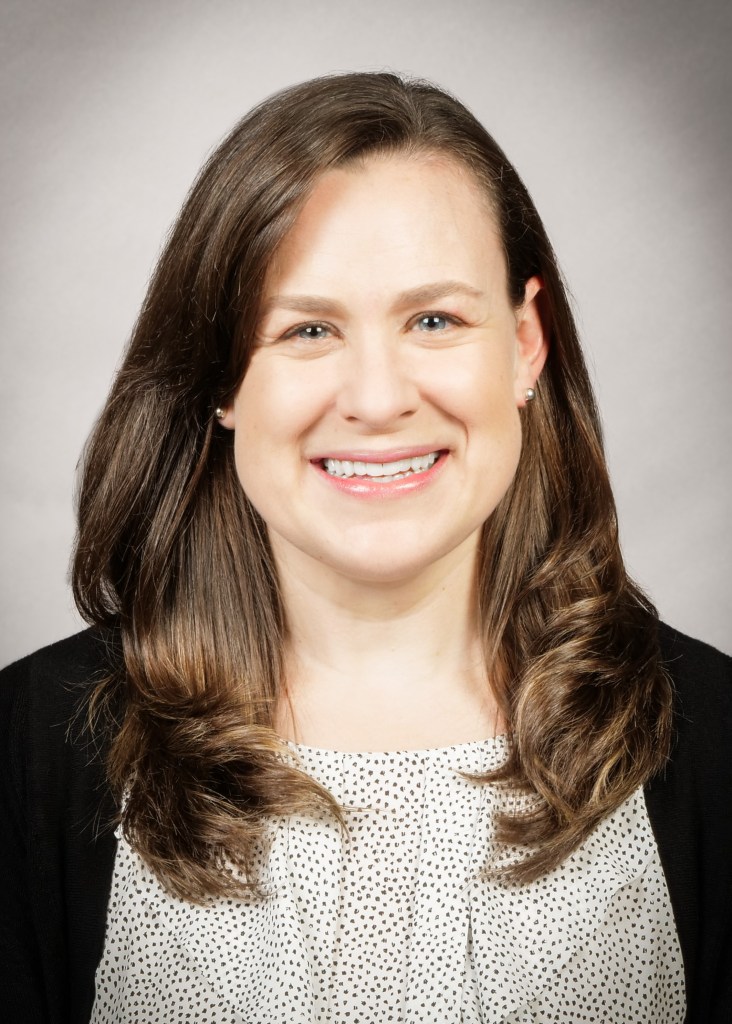
On this episode, Dr. Feuerstein interviews me about my experience going on the academic job market multiple times to find a faculty position during the pandemic. I share my story of applying for jobs over three cycles and what I learned from each one. We also discuss some of our shared experiences applying for positions during multiple job cycles after facing hiring freezes. You can learn more about Dr. Feuerstein on her professional website or Instagram @ucf_ecap.
Transcript
NOTE: This podcast was transcribed by a free tool called Otter.ai. Please forgive any typos or errors.
Danika Pfeiffer
Hi, Julie, thanks so much for being here with me.
Julie Feuerstein
Hey Danika I am so happy to be here.
Danika Pfeiffer
I’m so glad that you said yes to this. And I’m so happy to have you here as a guest host today. And I wanted to invite you on because we both have had similar experiences of applying for a faculty position after a postdoc, and we both have gone on the job market multiple times. And I think a lot of people end up having to go on the job market multiple times. So I really wanted to highlight that experience for our listeners so they get a taste of what that might look like. So thanks again for being here.
Julie Feuerstein
Oh, you’re so welcome. And I think like you said, this is such an important topic to be really transparent about. It’s something that a lot of academic seeking faculty have experienced. So it’ll be great to just shed some light on it. Absolutely. I guess as guest hosts My job is to start the conversation. So I’ll do that with kind of starting at the beginning. I’m curious about how you found the field of speech language pathology, and what about it appealed to you?
Danika Pfeiffer
Yeah, so coming out of high school. I knew that I hadn’t really found the thing that I was most passionate about. I knew there wasn’t a career that I knew about yet that I wanted to do. So I knew I had some exploring that I needed to do when I got to college. So in high school during my senior year, I had the opportunity to be part of a Psychology Club. And I really loved that. We got to do some little experiments and I started learning more about what psychology was. So I started thinking maybe a job related to psychology could be for me. And then as I got to the University of Virginia for my undergrad I stumbled into an information session for speech language pathology, and I saw a flyer that was advertising the program in education school, and I also really loved teaching and I loved the idea of education, but again, wasn’t sure what exactly that might look like for me. And so I went to this information session about speech language pathology in my first semester of undergrad and started caring about the types of classes that we would take. That was a little bit of psychology, a little bit of education, working with children with disabilities, which I was really interested in as well. And I was really lucky that there was an amazing advisor for the program, who was willing to meet with me and talk through what the courses would look like, what my schedule would look like. And I thought everything sounded really exciting, and I decided that I would go and shadow a speech language pathologist over my first Christmas break during college. And once I did that, I was pretty much sold. I shadowed a pediatric speech language pathologist in a private practice. And I saw her working with a variety of children and really love the one on one teaching that was going on so I could use some of the teaching that I was really interested in. But I also loved all the planning that went into it and the different intervention techniques and thought that it was something that I could do where I would continue learning over time so I could continue to develop as a professional. So I was pretty sold after that and came back in the spring semester and declared my major.
Julie Feuerstein
I love that you have the story that began in high school and then sort of followed you all the way through your college experience. Most people who join or who enter the field of speech language pathology sort of stopped at the master’s degree and become practicing clinicians. So I wonder what motivated you to keep going and to pursue the PhD within our discipline?
Danika Pfeiffer
I again with that advisor that I mentioned, I was really fortunate to have an awesome undergrad advisor. And after getting into the speech language pathology program, I learned about a study abroad opportunity for CSD majors. That was a summer opportunity where it was about a six week experience where you were involved in a research project in our field. And my adviser was from Belgium, and he actually took a group of students with him to Belgium and also to Holland. And you got to work on a research project all the way from data collection in the United States at our university. And then we took the data, the Belgium and Holland and we analyzed it and then when we came back, we got to work on a paper together and then present the results. And so I was really fortunate to be able to participate in that program. And when I came back, I knew that research was for me and I was really excited about seeking out a Ph. D program. And so when I started thinking about grad school, I wanted to find a place that also had a Ph.D program and I wasn’t completely sure because I didn’t know that much at that point about Ph.D programs. But I thought that it was something that was really interesting. And I definitely wanted to learn more about it. So I really looked intentionally at master’s programs that also had a PhD in the department in case that’s something that I wanted to do.
Julie Feuerstein
So your listeners might not know this that you and I met during our postdoc experience and so I know about your journey, I think from that point forward, but that little anecdote or vignette about doing some research abroad is new to me what a wonderful opportunity to have research infused as an undergraduate student internationally. That’s a really unique experience to have as an introduction to research in our discipline.
Danika Pfeiffer
It was yeah, I didn’t really know much about research at all before that. And I’m really fortunate that I was able to go and I was just talking with one of my undergrads this week about studying abroad and she was asking my advice and even if it’s not in the fields, I think it’s just an awesome opportunity to kind of expand your horizons if you’re able to go and do that because it really opened up my eyes to what’s out there in the world and all the kinds of opportunities that you could have and things you could pursue. So I absolutely recommend studying abroad.
Julie Feuerstein
Absolutely and our field is a global one. So to be able to have an experience that takes you abroad and still study or explore the discipline while you’re out of the country is such an impressive and amazing opportunity to have especially as an undergraduate students, and that’s very, very cool. Before we jump into some questions about the postdoc where our journeys intersected. I wonder if you could talk a little bit about the decision to do the Masters and PhD simultaneously in your experience.
Danika Pfeiffer
I was really conflicted about that. So once I started my master’s program, when I was applying, I knew that where I was going had a Ph.D program, and I had talked with the graduate program advisor there about the Ph.D program and the possibility of doing what they just referred to as bridging from the master’s program into the Ph. D program. And so I told them that that was an interest of mine pretty early on, and they encouraged me to really take the first semester of my master’s program and talk with different faculty in the department to try to get a feel for what they did and how it worked out for them. So some of them had gone straight through from the masters to PhD. Others had gotten their masters went out in the field and worked and then come back and got their PhD. So they encouraged me to go and talk with different faculty. So I did that and I really had mixed advice. So nobody told me that what they did, they weren’t happy with everybody liked the path that they took. And so it was really hard and the advice that I received was just that you have to do what’s best for you. So after going through that process, I took a lot of time just really reflecting on Okay, is this something that I want to do now? Do I want to go and get my clinical experience and then come back and I had also heard just kind of anecdotes of how some people had always intended to go back for a PhD but when life happened just didn’t couldn’t do it. Just kind of make it happen. I was pretty young. I started my master’s program when I was 21. And so I since I had graduated a year early from University of Virginia. I was I felt like I had time if I wanted to go and do this, I could do this. Now I didn’t have a family that I needed to provide for at this point in time I was really motivated and I was also doing the graduate assistant position which was a research grad assistant position. And I found myself putting off all my coursework and doing the research and my advisor would send me something and I would go ahead and start working on it right away and get it back to her. So I felt like this was the right thing for me and I decided then to apply for the Ph. D program in the spring of my first year. Then was admitted into the program during that spring semester and started in the summer. So that’s when I started taking courses simultaneously my grad courses and I started taking one PhD class each semester. So it wasn’t a lot more to add on but it was it was definitely extra. And I was just learning how to be a clinician learning how to be a researcher all at the same time. So I’m not to say that it wasn’t stressful, but I did feel like I could find a balance and I could start to apply some of the things I was learning clinically to my research to figure out what exactly I wanted my research to look like as well.
Julie Feuerstein
Okay, well Danica you have just described your experience studying abroad, making the decision to do the simultaneous masters to a bridging rather than masters to PhD program. Some people would have stopped there but you kept going and decided to pursue a postdoc which in our discipline is relatively new. It’s a bit dissimilar to the biological sciences where a postdoc is experiences rather expected. So I’m curious about the motivation to continue into a postdoc rather than seek out faculty positions, right from your PhD program.
Danika Pfeiffer
I didn’t learn about postdoc positions until I think the last year of my PhD program, I had gone to an ASHA roundtable at the ASHA convention where they have these different topics and you could pick a table and go talk about a topic. I didn’t know what a postdoc was. So I went to the postdoc table and spoke with some faculty members who had done postdoc positions, and they explained what they were These are extra opportunities for you to keep increasing and enhancing your research skills. My PhD program was about three years, which is pretty short for PhD programs. And so I felt like I wanted additional training. I wanted extra time to enhance my writing skills, learn how to write effectively. And I also knew that I wanted to do intervention research and I thought having the opportunity to work with larger samples of children and educators and SLPs would be a really good experience to prepare me better for my own research in the future. And so I felt like since I was still kind of younger, again, didn’t have a family to provide for. I felt like I had this extra time and it could be a great way for me to learn more about working in the lab and help inform my own future lab practices as well. So I decided that I wanted to try and find a postdoc position. If I couldn’t find one that was a good fit, then I would apply for faculty positions. But I wanted to give the postdoc a shot first and see if I could find something timeline. And my timeline was a little different because I was graduating in December. And so I decided I would just look for a postdoc position. And if I could find a postdoc in that time, then great and if not, then that fall in my last semester of my Ph.D program, I would start applying for faculty positions. And it just so happened that I was able to find a postdoc and everything kind of worked out nicely for where I needed to be geographically. And the content of the postdoc and the project I’ve been working on was such a great fit. So I decided to go ahead and proceed.
Julie Feuerstein
And how long did you stay in your postdoc?
Danika Pfeiffer
I stayed in my postdoc for three and a half years because of so many reasons. But definitely the pandemic had other plans for me. I originally had for my postdoc experience.
Julie Feuerstein
I hear that whatever. So one of the similar themes in our journeys is this being diverted a bit from the path that you originally expected when moving from postdoc to faculty positions. So what was your original timeline?
Danika Pfeiffer
My original timeline was I started my postdoc in January of 2019. After graduating that December right before and I was supposed to do a two year postdoc, so I added on a year and a half all together.
Julie Feuerstein
That’s a bit of an extension. Yes. So so in that time, when did you officially start the transition to applying for faculty positions?
Danika Pfeiffer
So I was advised to start looking for faculty positions in my first year of my postdoc, so knowing it was a planned two year postdoc, I was advised to go ahead and go on the job market in that first year in some experience of putting your job applications together. So we had done a little bit in my PhD program of putting some of the document drafts together but I didn’t have full documents ready. So it was an opportunity to work more on getting your documents prepared, and then also just to see what the interview process was like. I remember being advised that if I found a good fit in that first year, I could try to negotiate a later start date. For that position. And if not, then it was just a good experience to inform the next year when I would go on the job cycle and really need to find a position at that point.
Julie Feuerstein
Okay, so let’s talk about that first time on the job market. Tell us about your experience going on the job market and what you learned from that very first cycle of interviews in 2020.
Danika Pfeiffer
So, this was unfortunate timing to go on the job market for the first time. So I started applying in fall of 2019 and so did my applications. And then the interview started in the spring of 2020. So at that point, I had applied to five different positions, and I received three first round interviews and they all invited me on for a second round interview. My first in person second round interview was in February, the last week of February 2020. And so I had my very first experience, you know, going for the on campus interview, came back and I was in the process of also interviewing with another school at that point. And I had my second round interview with them at the end of March of 2020. So right after the pandemic started, and that was a virtual on campus interview, which was probably one of the first that people were having online. And after that both of those positions ended up freezing their hiring process because of the pandemic. So I was just informed that everything was paused and they didn’t know when I would hear anything. You know, we were just gonna have to play it by ear and see how the pandemic unfolded. So that was a little bit discouraging because I had put all this work into these interviews and even though I didn’t need a job right in that moment, you do really become invested in the people that you’re meeting and the programs that you’re learning about because it is really time intensive. So that was a little bit discouraging. I remember that I also applied for another position while I was waiting to hear from them. And I had an interview with another school in the middle of June I interviewed with them and I felt really good about that position. I think I was most excited about that one. Again, it was in the middle of the pandemic the very first couple of months but they were going to move forward with their hiring process. So I was excited about that potential opportunity and I after I had my second round interview with them, they told me that I would hear from them in two weeks. And so I started to get really excited. I felt really good about the interview itself. There were actually I remember in my last meeting with the search committee, one of the search committee members told me that they really hoped that I would choose them and come there and do my research there. And I just felt really good about that. I waited the two weeks and I didn’t hear anything. I reached out after the two weeks, you know, just checking in and they said oh, you know, we think we’ll be able to give you some information soon. So I waited a couple more weeks. Still didn’t hear anything. So now a month has gone by. I reached out again at probably after six weeks or so still didn’t have any information for me. So I started to get really discouraged maybe you know, started thinking okay, maybe they didn’t choose me. Maybe they chose somebody else. And it actually took three months for me to get a response from them. And it was just one letter in the mail, saying that they had chosen another candidate and weren’t moving forward. It was so crushing at the time because I was really excited about that position. But what I learned from this whole process of the first round, and I know it was a really unique time because the pandemic had just started. But what I learned was to try not to get too attached to any of the positions that you know you are putting yourself out there. You’re being very vulnerable throughout this process, but they have a lot of things they can’t say to you directly. There’s a lot of policies that are going on behind the scenes where they can’t share information with you. So it’s just that really opened my eyes to the process of applying and I really didn’t know a lot about about these policies where they can’t share information they can’t tell you they didn’t choose you until it after someone else has accepted the offer. So there can be a lot of waiting that goes on that I don’t think I was really prepared for so it really opened my eyes that first year.
Julie Feuerstein
So much of what you just reflected on resonates so strongly for me, certainly the piece about the investment of time and energy and hope that you put into that. That going on the market experience is so intense and you’re incredibly vulnerable and you go up to interview whether it’s virtually or in person with these search committees. And it can be really challenging to let go of that and just let the process unfold. The timing piece is so critical and so out of your control. And you certainly had some extenuating circumstances that not many people have faced in their academic journeys with a global pandemic inserting itself into the beginning of your job search. But I think that theme of the timing of when job postings are announced and the availability of funding in different departments are factors that are so out of our control but present and influence the experience so dramatically. is something that many people will have to face as they move into the job market.
Danika Pfeiffer
Absolutely. And I think that for people to know that this was during a pandemic, but departments and universities can freeze hiring for other reasons, too. So I know that you had an experience where you were not on the job market during the pandemic, but the university froze their hiring. So do you want to speak about that?
Julie Feuerstein
I did. And I have to say it was devastating. I had a similar experience but for different reasons. As you mentioned, I went on the job market for the first time and I interviewed in person at three different universities. The first interview was definitely a huge learning experience for me in terms of how to navigate the process. And I have to say transparently, it wasn’t my best showing in retrospect in reflection rather, I’m really grateful for that experience because I think it prepared me so much more efficiently and effectively for my second interview, which was at a university that I was very much invested in and when I arrived on campus for that interview, I felt so much more confident and prepared. To present myself in a way that demonstrated the match between my interests and skills and the posting that they had prepared and in terms of what they were looking for and it went it was a fantastic experience. I really connected with the faculty and the location. And so many things were clicking into place and I received what some people refer to as a soft offer verbally and even by email. And I was thrilled and at the time I did have a family and we were beginning to my husband and I were beginning to talk about what that would look like relocating to this new location with our then toddler. And we were starting to think about plans for housing and schooling for our child and job opportunities for him. And as we were becoming more invested in this vision, I was waiting for the heart offer to come officially through writing and similar to your experience, it didn’t happen and we we waited and we waited and we checked in and said we’re I was receiving some reassurances that things were moving forward until they didn’t and what came to be was the department underwent a funding freeze the hiring freeze the funds for the position to which I applied were no longer available. I was devastated. The faculty on the search committee were really devastated to at least that’s what they communicated to me because we had found each other to be a really good fit. And so I found myself having to revise my vision and think about okay, well what what are we going to do now? And it was hard. It was really hard and at the time I felt like I was the only person who had lived through something like that. But as I’ve moved through that academic circles and talk to more faculty colleagues, we realize that many people have experiences like this, and I’m so appreciative that we’re talking about this on your podcast because these are things that I wish I had been clued into in the beginning because it’s really tricky when you have that experience and you think it’s an isolated one.
Danika Pfeiffer
Yes, it’s already so stressful to go on the job market but then to be so invested and to get to what you think is the end and then not work out it. It’s it’s a lot. It’s a lot to process. So I definitely wanted to make sure that we highlight that on the podcast because a lot of the other guests so far have talked about the positive experience that they’ve had in finding a position, but it’s good to know that it might take a little bit it might take having to go on the job market multiple times to find that position and sometimes people are not able to do that. So you might have to reframe what kind of position you are going to look for and you want to have and I really appreciated the advice of one of my last on who said that you should really try to focus on what’s the next position and not what is the position that I’m going to be in for the rest of my life and having that finality of it but really just thinking what is the next position for me, instead of trying to have so much pressure on yourself to find that perfect fit forever? When you’re on the job market the first time?
Julie Feuerstein
That is great advice. I wish somebody had said that to me when I was applying. It certainly is like a matching process and thinking about how do I want the next couple of years of my life to look rather than the rest of my life. So yes. So I think similar to me, you extended your postdoc so that you could go back on the job market in the following cycle. Is that
Danika Pfeiffer
correct? I was since I was still in the first year of my postdoc I during the spring I started my second year so I would be finishing I was supposed to finish up in the following January. So I knew that I could go back on the job market during the fall of 2020. And then I post upward and in the spring of 2021. And so I was hoping that the process would move quickly and then I wouldn’t be able to find something so that I could start somewhere in January of 2021. But again, the pandemic lasted a little bit longer than the two weeks that they told us. So as fall of 2020 started approaching, I started thinking well maybe it’s not going to be possible that I find a job quickly this fall and I am able to start in the spring so I did start having conversations with my postdoc advisor about the potential of me staying on longer.
Julie Feuerstein
So how did the interview process unfold? The second time around is still in the presence of a pandemic.
Danika Pfeiffer
Yes, so this was the fall of 2020. And there were a lot less positions that were listed in the fall than previous years. During my PhD program. I remember being told repeatedly that this is a buyer’s market. There are so many retirements that are happening in our field. There’s so many openings. You’ll be able to go wherever you want to go geographically there’s going to be openings everywhere, and I started looking at the posts and that was not the case at all. And so I ended up again applying for five positions. The positions were being posted really slowly. So over the course of the fall, some in September, some in October 7 November, some in December and continuing to get posted into the spring as universities were figuring out their hiring and their budgets. So for this round, everything was virtual again the first and second rounds, There ended up being one position in particular that I did a first and second round interview again all virtually and I was really excited about this position. But because it was all virtual, I wasn’t able to visit the campus and see the area. After the second round interview. I felt really good about this position again, but I didn’t want to get my hopes up about it. And so I tried to keep reminding myself it would be okay if it didn’t work out but I thought it could be a really good fit. I was offered the position and something to share about this Miss dean called me on the phone and said that she was offering me the position she said this is the salary amount it is non negotiable. Would you like to accept the position? I was shocked. I was you know, happy I had to offer but then oh, the salary is non negotiable. I didn’t know that a salary could not be negotiable. And I don’t know. I’ve never been to the campus. I don’t know if I could live in this area. So there were so many questions going through my head. And so I said to her, Oh, you know, thank you so much for this offer. I’m really excited about this position, but I think I’ll need to come and visit before I can give you my answer. She seems quite reasonable. But she seems very surprised. I don’t know. Maybe because it was a pandemic and she knew there weren’t a lot of physicians being offered. I know. That led into our visit I went with my husband to visit the campus and even though we were in the middle of the pandemic, the faculty came and gave me a tour of the building which was really nice and were willing to eat outside with me which was really nice. And I I loved the faculty. I loved the department. I thought that our interests match really well and it came down to trying to see if this could be a good fit for my husband’s job as well as mine. We explored the job opportunities for him in this area, and he would have to take about a 50% pay cut. And the cost of living was pretty high in this area and so we just knew that wouldn’t work. The logistics would not work for us. Again, that was really crushing because I had become really invested in this position and the faculty and I thought it would be a great fit for me. There also weren’t a lot of jobs open at this point in time, so it felt really silly to turn down an offer in the middle of the pandemic, but we couldn’t make it work for both of us. And that’s really important and I think people should know this and that it’s okay to consider all of the personal reasons as well as the professional reasons when you’re going through this process. I had to turn down that offer. So I did not ended up having a position after the second round.
Julie Feuerstein
You know, I I appreciate that perspective so much in terms of needing to make a difficult decision that’s informed by all of the variables that contribute to how is this going to work and not having the privilege or luxury of making decisions for just yourself but really needing to consider the whole package. It’s really difficult when you are negotiating that space for people in your life as well as yourself. I as I mentioned a little bit ago, I had a husband and a daughter at the time I was interviewing and we were needing to really think about all of the contributing factors like you mentioned, up job opportunities for my spouse school opportunities for my child cost of living so it’s it’s not just a single factor. Yes, no decision that gets made during this time. And I think maybe we don’t always talk about the intricacies of making that decision on your really give you so much credit Danika for saying no, because that’s a hard thing to do to begin with. But especially in the context of a limited job market and uncertainty about what you might be holding out for and if there is a better out there.
Danika Pfeiffer
Yeah, it was really, it was really tough, and I knew it was the best. It was ultimately the best thing for us as a married couple but it was really hard as a professional trying to start my career to say no, I also at this time, was offered a position at my institution where I was doing my postdoc to become a faculty member in the institution I was currently working in and making that switch from a postdoc to assistant professor. And so that was another opportunity that came about at this time. And I was seriously considering that because again, I had already been on the job market once this was my second time it was getting to be the end of the job market cycle. And I considered that as well. And that would have been 100% research position where I would have the first three years to try to get my research funded and off the ground after that there’s kind of uncertainty there of what that could look like if you weren’t able to fund your research. And for me, I really value teaching and research and was looking for something that I could find that was as equal as possible in terms of my time dedicated to teaching and research. Where I was doing my postdoc did not have a CSD program, so I wasn’t going to be able to teach at all and have interactions with students that were becoming speech language pathologists at all. And that was a huge part of why I wanted to go into the field and go into academia was to help prepare future speech language pathologists for their careers. So I was also weighing that and ultimately decided to turn that down as well. It really just felt very strange to now have two offers on the table and turning them both down still in the middle of a pandemic. Knowing that this means I what am I what am I going to do, but there was so much uncertainty at that point. Luckily, my postdoc advisor who had just offered me this great position allowed me to stay as a postdoc instead and continue to keep learning and growing. And initially I really didn’t like the idea of that because I almost felt like this was harmful for my career because I was staying in the same position for another year. And I wasn’t I felt like I wasn’t advancing. But I tried my hardest after kind of feeling all the feelings reflecting on this experience. To say, Okay, this is a brand new year and there are skills that I still don’t have, and I want to just say yes to everything. So in this next year, if things come across that I think could be beneficial to continuing to help me learn and grow. I’m going to say yes, and so that is exactly what I did kind of reframed my, myself and what I wanted to get out of this next year of my postdoc year three now, I think I really needed that in that moment because I was feeling pretty down about having not having a position yet, but I think it really did help going into that third year.
Julie Feuerstein
Yes. And the resilience that that requires is is really kind of remarkable. So you went on the job market for a third time in 2022 and ago what was different this time because this is your big success story.
Danika Pfeiffer
Finally!
Julie Feuerstein
You have some some great successes along the way in this journey that’s not to minimize all the things that you encountered from the beginning to the to the 2022 cycle, but this was your year. So tell us about what was different in 2022 for you.
Danika Pfeiffer
So in 2022 this time around, there were more jobs being posted. So that was very encouraging. It felt like things were starting to calm down a little bit in departments where funding was more predictable, more stable. Because of that though, there were a lot of people like me, who through the pandemic, when they were on the job market, they were not able to find a position. So this led to more jobs being posted but also more people applying for those jobs. So it was a pretty competitive time. So I started applying and I mentioned the first two times I applied to about five positions. This time I applied to 15 different positions. And as I’ve been talking to people in other fields close to ours like education, psychology, I think this is a pretty common number. Now it’s it’s a lot of applications. It’s a lot of work that people are putting in I think it’s good for people to know that that. It does take a lot of applications to find a position and you really should put yourself out there. And if you don’t, you’re really limiting the amount of opportunity that you could find and have coming out of the job market process. So I applied to a lot more positions. I now also felt like I was more competitive as an applicant because I had said yes to so many things in this third round of my postdoc journey. I had done professional development through my university. The Postdoc Association was fantastic and I really encourage postdocs to seek out those professional development opportunities at their institution for postdocs and PhD students. That was really helpful. I also learned through this process that a lot probably all universities have a career center that is has people in it who are just there to help their students at the University find a job, and they have amazing resources for you. And so I started to take advantage of those resources, trainings, meetings with people that work in these offices to really help me prepare my applications better to prepare for interviews a little bit better. So that was really helpful to me during this time. And I think if you’re not a postdoc in your in your PhD journey, you can also reach out to these offices and they will help you with getting ready to go on the job market. With all that being said, I felt like because it was so competitive, and I really was ready to move on from my postdoc position, nothing about the position itself but just being in the same position for three years and not being able to be fully independent with my research yet, you know, not being able to really start my own research line. I was really anxious to do that. And so I started also considering other types of positions that were outside of academia, because I really wanted to make sure I had a job this time I really wanted something to come through. So when I was meeting with the Career Center staff, we were talking about other types of jobs that I could be competitive for with the skills that I have learned from my postdoc, and then I had gained from my PhD. So they really helped me to reframe those skills and build a resume that I could use to apply for other types of positions outside of academia as well. So that took a lot of time, just kind of reframing myself and who I am and when I could offer in another space. So I was looking at education technology types of positions I was thinking about, could I work in the school system in more of an administrative role, maybe work for a school board or at the state level for SLP services across the state? What kind of positions could that look like? And so I started looking through other types of job ads to it was a really intensive time developing these different kinds of documents learning about other types of positions, just in case I couldn’t find something in academia this time around because I really wanted to move on. So I continued doing the professional development I continue writing and publishing which was a really great time for me to keep developing my writing skills. I participated in the Pathways Program through Asha during this time, which I highly recommend, where I was paired with a mentor and I as a protege in the program was paired with another protege who was another postdoc and we met monthly and that was a really nice time to continue working on my job. Market documents, but also thinking about grant proposals and other ways to keep enhancing my skills. So that was a really great program to also be part of during this process, this whole process of applying for jobs, these were all really helpful things and I felt more confident going into my interviews to be able to talk about these experiences that I had, through the process. As I said, I applied to 15 different jobs. I was offered nine first round interviews from those applications. And then I started my second round interviews. I remember through this process I also had built kind of a support network for myself, because this time around I realized how important that was going to be because I had been on the job market now twice and I did really feel kind of isolated because I didn’t know a lot of other people that were on the job market. So I intentionally built a support network, a support group by reaching out to people that were in the Pathways Program, people that were in the mark program, I was also part of through Asha to see who’s on the job market would you be interested in kind of just meeting every like once a month and we can chat about how it’s going and just be here for each other through this process. So we had a small group, I think there were maybe six to eight of us that would meet monthly and just support each other share experiences, share documents, those kinds of things, and that was really helpful. But in doing that process, I remember it got to be January and I had some ended a lot of applications. I had had some first round interviews, and everyone was sharing about their second round interview invites. And in January, I didn’t have any updates to share. I didn’t have any interviews that were coming up. It just felt really tough in the moment that you’re in is January and I’ve put all this effort in and I don’t have any interviews lined up. And so I kept looking for other options keeping my eyes open. I started applying for some non tenure track positions. I started to think you know, I have these great skills. I know I can use them in some way through this process. I did start having second round interviews and one of them was a non tenure track position that I was seriously considering and I had my second round interview there, but it was going to be really teaching focused and I knew that again, I wanted to find something as close to equal between teaching and research. So I didn’t think that was necessarily going to be the best fit but if it was the only option, I knew that I could use it again as kind of a first step and go from there and then I had another interview at Towson where I am now and I really liked the potential there to have pretty equal responsibilities for teaching and research. And then I had a third interview a second round interview that I was also really seriously considering at another institution. I had the second round interview there and was waiting to hear back. And then in the process. I was invited to go for the second round interview at Towson. And I was on campus for that one. I remember it was lunchtime and I had a really quick break in just a moment to be by myself and so I went to text my husband and tell them you know, everything’s going okay, like I’m alive because those are really long days. And I turned my phone on real quick and I had a voicemail offering me the non tenure track position. My mind was spinning like only and I shouldn’t have turned my phone on because I really need to focus on this interview. And now I know I have one offer. So I finished that interview. And the next day I reached out to Towson and said, you know, thank you so much for having me. I’m really interested and I want to let you know that I have an offer at another institution and just within a few hours, I received a phone call from Towson offering me that position as well. So then I was really excited because I was really excited about the potential of being at Towson. But I had that third school that I had interviewed at and I was still waiting to hear if I was going to have an offer I learned from the second round to the importance of really looking into the cost of living and into my husband’s potential job opportunities to see, you know, is this a well rounded good decision for us in doing that the best decision for us to graphically was going to be to go to Towson so even though I didn’t have a straight answer about that third position, I knew that even if I did have the offered, Towson wasn’t the best fit all around. And so I decided to go ahead and accept the Towson offer without knowing about the third position. I let them know that I was accepting another offer. But I think throughout that, that whole process of of really learning to look at all of the options doing all of the research ahead of time, which is something I did this third time around was try to only apply to places that we think could really worked for us all around with both of our jobs and the cost of living and all of those things.
Julie Feuerstein
I must have felt like such a relief and a moment of celebration at that point.
Danika Pfeiffer
It did. It was yes like a huge weight off my shoulders. After all of these years and I was really excited about this position and just how good of a fit it is. So I was really grateful to have the offer.
Julie Feuerstein
Your story and your journey is one of like such persistence and resilience and openness and just being you know, able to adapt to the unexpected, which I think are really such foundational qualities that are needed to be successful in academia in general. So I love that you’ve highlighted those those themes throughout your journey. One of the things I heard you talk about that I think isn’t is often overlooked or maybe underrated is that support that you get from a network of peers who are going through similar experiences and I so appreciate that you shared that you you initiated that network and tried to get a group of people together to share and support one another. It’s a part of academic life that I think is so necessary and finding the time to make that part of the experience is really important at all stages of academia. I remember for myself, when I went through my PhD program we had a rather large cohort of PhD students that were spread across a different a number of different subspecialties within our discipline. So we had folks in adult language disorders and adult acquired neurogenic populations and pediatric language disorders and motor speech and we stayed in touch as we completed our Ph. D. program, and those were the people that I relied on when I went on the job market to say hey, how is this going for you? Do you want to swap startup budget templates? You want to share or give feedback on each other’s teaching philosophy statements? You know, those are the little pieces that really made the the process more feasible and bearable, to be honest for me personally. And I think that’s probably true in terms of what you reflected about your experience. But if you didn’t, if you don’t have that built in, we’re seeking one out is such a wise thing to do, and I think will serve you for the rest of your career. Certainly.
Danika Pfeiffer
Yeah, we are. We are all still in touch and we are we have a meeting plan to Asha just to catch up with each other and so now I have these great new friends as well, which has been a really nice part of this. And I want to mention that we also we’ve had a lot of discussions about the job market process in our fields. And we felt like we all were coming at it from such different experiences really depending on our program that we were in and our mentors that we had. And we felt like we wanted to try to do something small to make this a more equitable process. And so we have combined all of our job documents we have a folder that we are sharing with other PhD students or postdocs that are going on in the job market in a way to try to make this a little bit more equitable process and get some examples of other things that people are submitting. So I have been sharing that all of us have been sharing it with people that we hear about that are on the job market. So if you are on the job market and would like to see some of these things please just reach out and we will share it with you.
Julie Feuerstein
Oh, what a gift. That’s so wonderful. Thank you. Danika. Yeah. Okay, as we wrap things up, I guess I have one final question for you. And maybe it’s the hardest one, if you had to, if you had to distill all of these experiences down into kind of one colonel, or one piece of advice for others who are going on the job market, what would you say?
Danika Pfeiffer
Who sends a tough question? I think something that I realized along the way is that if you find a position that you’re really excited about and you’ve done your research, you know this area would work really well for you, your family, and this position is a good fit for you. Don’t be afraid to say that in the interview. I think sometimes I thought oh, that’s that’s not professional of me to tell them I’m excited, you know, but no, it is and you should show that you are really invested. You are excited, tell them all this research that you’ve done to support why you are the best person you can say that I think I am the best candidate for this position because and I don’t think I realized that in the first cycle that I went on, and I could show my enthusiasm for this position. But I would say don’t be afraid to do that. And I would encourage you to do that. If you really feel it’s a really good fit for you.
Julie Feuerstein
Great advice on your confidence. Yeah. love it. Thank you so much.
Danika Pfeiffer
You’re welcome. Thank you for being here and being a guest host for me today.
Julie Feuerstein
So fun. I love hearing about your journey, especially because we have a friendship and a professional collaboration outside of this podcast, but I don’t know that I’ve ever heard you tell your story from sort of beginning to end. So, it was such a fun conversation to have.
Danika Pfeiffer
Well, I really appreciate your time and I’m so grateful for our friendship and our collaborations that we’ve had professionally as well.
 About, From, & With