Dr. Reed Senter is an Assistant Professor of Speech-Language Pathology at DeSales University in Center Valley, Pennsylvania. His research interests focus on school-age children with developmental language disorder and how SLPs can improve these children’s outcomes.
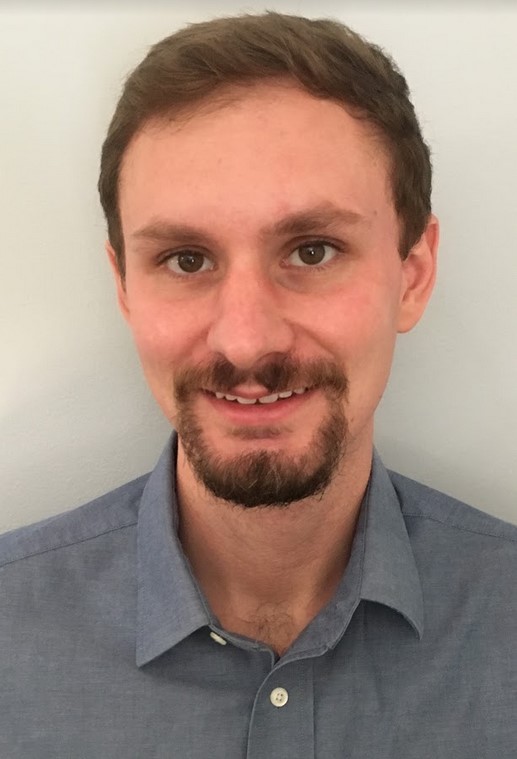
In this episode, I talk with Dr. Reed Senter about his recent experience applying for teaching-intensive faculty positions. We discuss the application, interview, and negotiation processes for teaching-intensive positions. Topics of our conversation include: staying organizing during the job search process, interview prep, and teaching demonstrations. Reed mentions the Division for Research of the Council for Exceptional Children’s Academic Job Search series webinars about the academic job search. You can follow Dr. Senter on Twitter @rrsenterSLP and find out more about his research on his website (www.reedsenter.com).
Transcript
NOTE: This podcast was transcribed by a free tool called Otter.ai. Please forgive any typos or errors.
Danika Pfeiffer
Hi, Reed. Thanks so much for being here today to share your job search journey with us.
Reed Senter
Thank you so much for having me. I’m excited to be here.
Danika Pfeiffer
Absolutely. Let’s dive in with learning a little bit about you growing up before you started your academic journey.
Reed Senter
I grew up in Maryland about half an hour from where you are at Towson University. I was a total band geek, my childhood pretty much revolved around playing the trombone. I was actually pretty excellent at it. But in reflection, I was probably just using music as an escape from academics. It’s always been hard for me to focus on homework for long periods of time due to ADHD that didn’t get diagnosed until I was almost 30 years old. So anyway, I wanted to be a band director when I grew up and then I briefly wanted to be a school psychologist. I jumped between you know, maybe like a dozen different potential careers. Before I landed on speech language pathology, the I guess the one constant was my desire to work in a school based setting where I could help children succeed and take summers off.
Danika Pfeiffer
Awesome. And when did you decide that speech language pathology was for you? When did that happen in your story?
Reed Senter
Yeah, I was about halfway through my undergrad program. I changed majors a couple of times by that point. I had really taken an interest in my psychology courses, you know, the psychology of exceptional children, and they talked about speech language pathologists in that course. And then I had a friend who had volunteered at a summer camp working with autistic children. So he was kind of talking about his experiences with SLPs as well. I was like, Hey, I enjoy helping kids. I want to work in the school based setting. I enjoy language and communication. So the rest is history.
Danika Pfeiffer
And where did you do your master’s program?
Reed Senter
Yeah, I did my masters at Western Carolina University, which is a just a very small school in Cullowhee, North Carolina, kind of on the the west part of the state up against those mountains.
Danika Pfeiffer
Were you thinking about a PhD during that time or did that come later?
Reed Senter
Absolutely. Not. I told myself I was never going back to school that I was done. My school had the option to do like a master’s thesis if you wanted to get your feet wet with research and you know, maybe if you are considering a PhD in the future, and I was like No.
Danika Pfeiffer
No way.
Reed Senter
That really wasn’t until I was probably in my third or fourth year, my fourth year in the field practicing before I realized that a PhD might be a good fit for me.
Danika Pfeiffer
And were you working in the schools for all that time?
Reed Senter
I spent five years in clinical practice total. Four of those were in the schools and then one of those years was in a private practice pediatric outpatient.
Danika Pfeiffer
Great, and what happened that kind of started to make you think about the PhD.
Reed Senter
You know, like I said, I was in my fourth year in the field, and I realized that my favorite parts about the job weren’t, you know, the traditional parts usually people just love therapy, love working with children. You see all of those like Pinterest and Instagram SLPs that always come up with like creative arts and craft activities. That just wasn’t me. My favorite part of the field. Believe it or not, was IEP meetings. I love writing out long documents. I loved preparing and then I loved going into a meeting where I was the expert and I could talk about speech and language and you know, actually teach people teach parents teach other educators about the struggles that our children encounter, even writing emails. I just loved drafting really long, detailed emails whereas you know, my heart wasn’t really so much in the direct therapy side of things. I cared about my children, but it just didn’t mesh with my personality. I suppose. I realized, Hey, I like research. I like writing. I like reading. I like talking about my interests in expertise. Maybe I do give this PhD thing a shot.
Danika Pfeiffer
Okay, and how did you start looking for programs because I think that can be overwhelming for people that are making that shift from clinical practice to going back to school.
Reed Senter
And that is one of the really tough parts I was more or less geographically constrained. To an hour, hour and a half of my home in Virginia. So I just I really started looking at different programs, any speech programs in that radius in the special education programs. I went to all of their websites and kind of looked at the faculty BIOS reviewed you know what they were researching what kind of grants they had I stumbled on the guy that would end up being my future advisor, Dr. Jason Chow. He was working at Virginia Commonwealth University at the time, His research interests more or less aligned with mine, so I made sure that we bumped into each other at a conference that we both attended, introduced myself and I guess about a year later, I was working with him.
Danika Pfeiffer
Wow, that’s a great idea to just go research, different people that are doing work that you’re interested in and then introducing yourself, whether that’s in person or by email, that might be intimidating to some people, but that’s a great way to start making that connection.
Reed Senter
I will say I wish I had emailed him before the conference to say like, Hey, I’m going to be here let’s let’s arrange a meet up or something like that. But no, I just out of the blue I showed up. This poster session kind of ambushed him. I think it turns out he was kind of under the weather at the time. So it was probably not the most pleasant meeting.
Danika Pfeiffer
And when did you start thinking about going on the job market during your PhD program?
Reed Senter
I’ll be honest, you know, I was looking forward to having a job pretty much the entire program so I was constantly lurking you know the cap CSD websites the higher ed jobs, you know, wherever they post jobs, and I was checking to see alright, this looks like a fun job. You know, what are their requirements? What are their expectations? What do they want from their candidates? So from the very beginning, I was looking at job postings and trying to craft my doctoral studies to fit the kind of job that I wanted, but I started looking in earnest the summer right before my last year of the program. And I started applying I think my first application went out sometime in that August.
Danika Pfeiffer
Okay, got it. And what were you looking for in a position when you started looking at these posts? Were there things that were important to you to find in a position?
Reed Senter
Yeah, to be honest, the most important thing again, for me was the location. My wife was a great sport, putting up with my doctoral studies throughout my whole program, so I really wanted to try to find a position near her home in Pennsylvania so that we could live close to her family. I drew up a you know, a list of schools that were within like a two hour radius or so and whenever the school is posted an opening, I would make sure to jump on that right away.
Danika Pfeiffer
Yeah, I’m glad you keep bringing up location because for so many people that is true for them as well, that there’s a certain geographic area where you have family and you have a support system. And that’s really important when you’re going through these transitions and starting a new job and so I’m glad that you are bringing that up because sometimes it’s tricky to find because these jobs don’t get posted at each school every year. So sometimes it can take a little while to find that perfect fit but for you There ended up being several options in that geographic area, which was awesome.
Reed Senter
Yes, I got very lucky in academia in general, we don’t always get a lot of geographic flexibility. But I do find it to be, at least in my experience. Again, I was lucky it seems to be a little bit better for those of us looking for positions in communication sciences and disorders because there is such a demand for faculty. So we’re a little bit lucky in that regard. But yeah, definitely won the lottery.
Danika Pfeiffer
And how about as far as your time spent on research or teaching, are you looking for a certain kind of position in that regard, when that had more teaching responsibilities or less?
Reed Senter
Honestly, not necessarily. I like it all. I like the teaching the research the mentorship. So as long as I was able to find a position where I could do a little bit of everything, I think I was going to be happy as it turns out the way you know, my doctoral studies went I ended up doing a shorter program. And I was not interested in just a temporary postdoc afterwards. So I didn’t necessarily have you know, the research credentials, the research chops, some of the other people in the job market might have had, so I probably wouldn’t have been as competitive for those research jobs. But that worked out well for me because, like I said, I was interested in teaching and there’s just a huge demand for clinical educators in our field.
Danika Pfeiffer
Absolutely. Tell us a little bit about how the process unfolded once you started submitting your applications. You said that was in August. So what how did that go once you started submitting these applications?
Reed Senter
Oh, it was so nerve racking. I think I sent out about 10 applications total each of the different search committees, they work on their own timeline. So I applied to maybe like three or four different schools before I started hearing back hey, you know, we’re interested in scheduling a zoom interview with you or something like that. The first school I applied to ended up being one of the last ones to get back to me, which was frustrating and some of them wanted to interview in October, some of them wanted to interview in December. Some of them didn’t even get back to me and say like, Hey, you know, we’re interested in you until December, January when I had already accepted another position, for lack of a better word. It’s a crapshoot. So you really have to get as many applications out there as possible, you know, just to have a chance at the kind of job or position or location that you want.
Danika Pfeiffer
How did you keep yourself organized during that time with these different applications, different deadlines? Did you have any kind of system?
Reed Senter
Yeah, for sure. I’m a Google Drive, man. So I had one of the Google Sheets kind of like Excel with every school that I applied to. I tracked the date that I submitted the application as well as like the due date just to make sure that I didn’t miss any due dates. I added, you know, additional columns to schedule the first round second round interviews. All of that stuff. I had to call them to track what materials they wouldn’t need. Some of them just needed the names of references, some of them needed reference letters, some of them required diversity statements, others required teaching statements. I kept track of all of that in a Google Sheet. But then I also had little Google subfolders for each individual school where I collected all of the application materials. I think everybody will have their own organization system that was mine, but really just the only important part is making sure you actually do stay organized, keep track of the deadlines, you know, prioritize the ones that are coming up.
Danika Pfeiffer
What were your first round interviews, like for some of your more teaching intensive universities that you applied to?
Reed Senter
There was a lot of variation between them, some of them were very quick. I think my shortest they allotted like 15 or 20 minutes for me, some of them you know, a lot of 30 or 45 minutes to talk to me regardless. Of how much time they allotted. It was never enough. All of my first round interviews took place over zoom there, the chair of one of the school’s search committees, actually did call me on the phone to chat even before that first round interview. Oh, wow. Yeah, that was kind of nice. Actually, I didn’t know what to think about it because that was the first I’d heard of it or experienced it, but it was just a great conversation and that really helped to prepare me. So search chairs take note, but of course, you know, in these first round zoom interviews, I’ve got my zoom window on one monitor my notes and another monitor. I’m wearing a suit jacket at the time pajama pants. Yes. The search chairs usually asked most of the questions and the other search committee members usually just ask one or maybe two questions each for the most part. They were pretty predictable questions, things like you know, tell me about yourself. Why are you interested in this department? Can you tell me about your teaching or your teaching philosophy? Can you tell me about some of your research? How would you contribute diversity to this program? For the most part, it was basically just the questions I had anticipated. Usually they were just very friendly. It was usually a very conversational collegiate vibe. Only one of the committee’s seemed cold. To me. I honestly thought I was bombing that, but then they invited me to a campus interview anyway, so I guess I don’t
Danika Pfeiffer
know. Sometimes it is really hard to read people especially over zoom.
Reed Senter
Yeah, for sure. For my preparation, I prepared individualized notes again you don’t want to just have your boilerplate responses ready to go. I prepared individualized notes for each school’s zoom interview. First, I looked up there the search committee members before the meeting and took notes on their role in the department their areas of expertise. It rarely came up but it paid off a few times. When I was able to discuss a shared interest or explain how my expertise would complement their department.
Danika Pfeiffer
That probably really made you stand out when you were able to pull those kinds of things because I’m sure not everyone did that.
Reed Senter
I hope so. Yeah. And you really have to stand out. But if you think about it from the search committees chair, they’re trying to find someone that they want to work with for the next 510 20 years of their lives, too. So every little bit helps. After that, I you know, I reviewed all of their syllabi available. You know, in their departments website. I made a table of classes that I felt well prepared to teach and a list of their classes that I could teach with, you know, some initial support, maybe like, you know, help with drafting a syllabus or materials. You know, third, I prepared those rehearsed answers to those usual questions that I just mentioned. I practice those with my wife probably a half dozen time just trying to get it nice and tight down to like two minutes because you can probably already tell I have a tendency to ramble. And then last, I just always made sure that I had two questions to ask the committee. A lot of times those were generic questions. I was asking, like teaching and research expectations from a position or how they envision the department growing or evolving over the next five years. In some cases, just based on what I found on their websites, I was able to customize questions to Yeah, you know, Hey, I see your department’s going through this right now. Can you tell me about the more you can personalize it the better. So for every single zoom interview, I prepared a document that had all four of those things in it the cliffnotes about committee members classes, I could teach answers to common questions and questions I could ask the committee. By the time I assembled all of that I felt 100% fully prepared for each interview. I think they went pretty smoothly because of all of that preparation upfront was a good investment.
Danika Pfeiffer
Yeah, that’s that’s a lot of preparation. But I think it eases nerves in the moment when you have all that information you feel prepared. You’ve already practiced a lot of the questions and you know about the department. I also think it’s really smart to do that because you have really limited information in the job post about the department. So when you do research like that, you get a better idea of if this is actually a place you really want to be. So definitely great advice.
Reed Senter
Yeah, I couldn’t tell a lot about the positions upfront before I started talking to people. So it’s, you know, especially during that first round zoom interview, it’s definitely important to ask the right questions and make sure that the department is a good fit for you and not just the other way around.
Danika Pfeiffer
Yes, I’m glad you talked about preparing some questions in advance because I think that is important. In all of my interviews. There was always time at the end for me to ask questions and I think they are looking for you to have questions. They want to see that you have done some kind of research. And I know some of the advice I was given was to not ask things that you could find on the website. So that same thing that you’ve said about really personalizing them I think is
Reed Senter
important. Yeah, for sure. You got to do your due diligence,
Danika Pfeiffer
and we have a really different process. I didn’t I wasn’t invited to any on campus interviews until after the new year. And you were invited for on campus interviews really early. How did you prepare for those on campus interviews?
Reed Senter
Yeah, it’s interesting. You mentioned that about the timeline. I don’t know if this is just my experience or you know if it’s a pattern, but it really felt like the teaching schools tried to get their interviews in early, whereas the the research, especially the Arwen schools, they held their interviews later. You know, in many cases after I’d already accepted a position I have to wonder if that’s intentional. I know that, you know, traditionally the research positions are the most coveted and the ones that everybody wants. So I’m wondering if the teaching schools were kind of just trying to snatch job candidates before they got selected for Arwen schools. I don’t know. I’m suspicious. But yeah,
Danika Pfeiffer
I don’t know you there, but maybe there’s more barriers to in the r1 schools with getting these candidates screened and going through applications quickly. I don’t know.
Reed Senter
Yeah, that would make sense to anyway, just something to keep in mind, but you were asking about the preparation for the on campus. The second round interviews. So I don’t know if my preparation for the Zoom interviews was over the top but my preparation for the campus interviews was even more thorough. I scoured everything university websites, department websites, social media. I just plugged into Google like you know such and such University and read the articles that people were talking about that. I just wanted to make sure I absorbed everything I could in advance. I made sure that I had a list of everybody that I would meet with, including all of the university administrators. Most of the schools provided that list up front. I think one school I you know, went ahead and asked the search committee chair like hey, can you send me a list of the people that I’m going to be meeting with? So I knew who I was going to be meeting with when I was going to be meeting with them? I knew all of their bios because again, I stalk their department websites and their Google profiles, Google Scholar profiles, and I had questions prepared for each and every single individual that I was going to meet with as well. Sometimes I asked the same question, even if it was something that somebody else had already answered, just so that they knew that I was interested in asking the right questions. I had all of these notes on their bios and you know, all of my main talking points I had all of those written out and I brought those with me in a clipboard that I kept in my laptop case, and I reviewed them anytime during the interview day that I have a spare moment and at least one occasion I snuck off for a bathroom break, locked myself in a stall and reviewed my notes in there. Prepare for the next interview. That’s sorry,
Danika Pfeiffer
that’s really smart. Sometimes just taking that break too. Can be nice. Oh,
Reed Senter
for sure. It’s such a long day. I don’t think you know, many people talk about that, but it’s long. It’s grueling. Aside from the interview preparation, my best advice was make sure that you’ve got you know, the food situation under control. Have a couple of snacks in your bag, know what you’re going to eat and when you’re going to eat. I don’t know, it was kind of like running a marathon. You know, you just have to make sure that you’re fueling your body correctly so that your brain is keeping up. Absolutely.
Danika Pfeiffer
And did you have to prepare any presentations for these positions that were more teaching intensive?
Reed Senter
Yeah, these teaching demos are demonstrations. They’re short lessons that job candidates are often required to give during their campus visits, especially for these teaching institutions. There’s a lot of variation between schools my shortest demo was supposed to fit into a 20 minute time slot and then my longest was supposed to take close to an hour with a few minutes at the end for questions. Usually, there are current students and a few faculty in attendance, some schools will give you some direction, like prepare a lesson that you would give as part of a master’s level course on childhood language disorders, or something like that. But at least in my experience, I actually have a lot of leeway on the subject. They just let me pick anything SLP related that I wanted to lecture about. So I personally chose a topic that lies squarely within my expertise, executive functions, and in hindsight, I might have been better off teaching about like a more traditional topic within speech language pathology, but again, I prioritized picking a topic you know, squarely within my comfort zone. My lessons were actually adapted from a set of slides that I had previously used for both guest lectures and a webinar. And then I further refined them by practicing my teaching demo a couple of times with some critical peers that were also going through the same kind of job search process, these teaching demos. It’s your opportunity to shine and show off all your tricks. I know some people are great with interactive slide decks and stuff like that. I went for like an old school new school hybrid approach where I mostly lectured but threw in you know, a few memes to illustrate my points and there seem relatable to the students and I use think pair shares instead of interactive slide decks, but then I did use like QR codes. I embedded those within my presentation for the tech savvy people to find extra resources and just kind of show off like, Hey, I’ve got some, you know, some tech skills myself.
Danika Pfeiffer
Yeah, that’s a great idea.
Reed Senter
So yeah, if you’re looking for a job in a teaching institution, but don’t know the latest tricks and trends in higher ed andragogy, it might be worth looking into and just seeing how you can modernize your teaching style. It’s not all just lectures anymore.
Danika Pfeiffer
Right? They want to see not only what you know, but how you can teach what you know. So I think that’s really smart to prepare different ways that you can kind of show yourself off because like we talked about earlier, they want to see who’s going to stand out. There’s other candidates that are also interviewing for the same position. So I think that’s really smart to think about what you can do comfortably to kind of show off your skills a little bit. Definitely. And you had a few different offers at the end of this process that you were trying to decide between. How did you ultimately decide what was the best fit for you?
Reed Senter
I’m a simple man, like I said, going into the job market location. And salary were the two biggest considerations. I ended up accepting the position at DeSales University in Central Valley, Pennsylvania, and I’m lucky that the sales offered me both a desirable location and a nice competitive salary. Right before I accepted that offer. I also feel that a de facto job offer for a 12 month non tenure track position, which was also an immediate area with an excellent compensation. It was a tempting offer an exciting department with a lot of perks and I’m sure I could have had a long and happy career there. But in the end, I value the stability and flexibility that comes with a nine month tenure track position. I also received another offer for another tenure track position, but the salary wasn’t as competitive. So it was a straightforward choice for me.
Danika Pfeiffer
Great. Do you have any tips about negotiations for teaching intensive positions? And the ideas of things that are realistic to ask for and things that are not so realistic?
Reed Senter
So, you know, I thought this was going to be an area where I would excel you know, I prepared by watching a YouTube series. The Council for Exceptional Children CEC their division of research, they have a video series to kind of walk you through every step of the application process. So I watched their video on negotiation. And I was sure you know, I’ve got this ready you know, I’m set I had studied about all the different things you could negotiate for and they say, you know, figure out which ones are important to you and prioritize this. And I was so sure that I was going to do a good job and turns out I’m a terrible negotiator. I didn’t have I didn’t have a lot of success negotiating any of my offers. My best advice is to decide what’s important to you and tell them it’s important and see if they can meet your needs. It can be anything really salary course release to focus on research, research, startup funds, graduate assistant support, furniture, you name it, but the thing is, especially compared to you know, there’s our one and maybe even our two schools. I don’t think that the teaching focused schools have a lot of money set aside for research or startup funds. At least not my experience. So if that’s important to you, you might not get a lot if those startup funds are important to you do your due diligence during the interview, and that’s an area where I probably blundered a little bit. I should have found out what kind of statistical software they had available kind of department gold travel funds they had, what kind of equipment they offered, what they could give me for like participant incentives. You know, whatever you need for your research. You know, I tried to negotiate my startup and they asked for an itemized list of what I needed. Some of the things on my list were already covered. Through department funds, like stat software and travel expenses. So I probably left money on the table because, you know, I asked for things they had already planned to provide, aside from the startup funds. The other negotiating points probably vary by school too. You know, one school could easily guarantee me graduate assistant for my first year likely continued on past that another school didn’t doesn’t even have a system to employ graduate assistants. They’re hoping to start up a GA program in the next couple of years maybe but that wouldn’t be an option. One school was unionized. And for the record, I am pro Union but as a result due to their collective bargaining agreement, I couldn’t negotiate exactly one step higher on the pay scale, but no higher. So you know that that wasn’t really negotiable. And then another school wouldn’t negotiate my salary, because they had done their research and learn that the salary they had already offered me was already higher than average for this position. And they were right. You know, I didn’t need more salary.
Danika Pfeiffer
I think to ask though,
Reed Senter
absolutely. You know, one school already have a system for offering faculty a single course release every two years. So I didn’t really gain anything by trying to negotiate that but the point is start planning ahead for what you want during the interview process so that you can ask questions, figure out what’s available, and then kind of prioritize your negotiation accordingly.
Danika Pfeiffer
I think that’s great. Yeah. Some of those things you can ask about or ask kind of around during the second interview. So that can give you a little bit of an idea. I think everyone will have different priorities. Just finding a good fit for you, especially if you are fortunate enough to have multiple offers on the table.
Reed Senter
Yeah, absolutely. I got really lucky there.
Danika Pfeiffer
Did you face any challenges during this job search process?
Reed Senter
Honestly, like we mentioned earlier, those timelines were probably the most challenging part of this, trying to get my applications in quickly and on time. Again, I was trying to do this at the same time as my dissertation. So my dissertation probably suffered for that. But then I really was frustrated by the fact that, you know, I was invited for interviews after the deadline that other schools have given me on their job offers just in general, I’m generally a risk averse person. I’m not the kind of person that would turn down all of my job offers you know, just hoping that one of those other schools would pan out maybe you are more power to you, but from everything I’ve heard about academia, there are just there are no guarantees until your name is Sun on the contract. So it was frustrating for me that schools that I was interested in didn’t move quite as quickly. I don’t know if I would have had more success by you know, if schools offered me different interview dates, maybe I could choose the latest interview or you know, ask for extensions or something. I tried to be pretty much a low maintenance candidate during the job search so that nobody would worry about you know, bringing in high maintenance person that has a lot of needs and demands into their department. But yeah, the timelines were difficult. So you know, when it comes to that, I think it’s important to prioritize finding the schools where you want to work and where you’d be willing to work and then just doing everything you can within reason to make the timelines work, but you know, even then, sometimes it’s just not in the books.
Danika Pfeiffer
Yeah, I would have to agree with you there. That was a challenge for me as well, just waiting. a waiting period is really hard. And especially, I think it was great. We were both in a group together with others that were on the job market and it was great to have some support from people that were going through it and to be able to have conversations and we were all in the same boat together, which felt really nice because it can be really challenging to just wait and wait and wait and it is so unpredictable. I remember I had one instance where again, like you said it was really late in the game where you hear from a school and it was an instance where I had a first round interview and didn’t hear from them ever after that. And you assume okay, I’m out. You know, they’re not interested and I heard from them in May, saying that they had really just tried to hire someone local, and it didn’t work out for them. So they were going back through the pool of applicants again, and so you can’t feel discouraged that it’s something necessarily about you every time which I think is also good to know. They have their own priorities on their end, too.
Reed Senter
Yeah, that’s a great point through the whole process. I was trying to be a mind reader trying to figure out what the search committees were thinking and trying to analyze, you know, well, it’s been this long since response and based on their tone I mentioned earlier how one of the search committees was very cold and unpleasant during the Zoom interview and then it turns out, they wanted me my best advice is just don’t try to read their minds. Sometimes it takes a very, very long time. Never count yourself out for something. Always have a plan B and don’t put all of your chips on that horse. Also, don’t be discouraged. I know it’s easy to say in hindsight, it’s a very nerve wracking time in the job candidates life. And just make sure you’re putting in that time for self care, managing your anxiety levels, making sure you keep your hobbies going and making sure you’re continuing to work on your dissertations.
Danika Pfeiffer
Did you practice some of that self care during this process?
Reed Senter
Oh, I didn’t. And I was a wreck. I learned from my mistakes.
Danika Pfeiffer
Yeah, I’m sure when you also had the dissertation at the same time, it was probably it felt really hard to do that.
Reed Senter
Yeah, it was a lot going on and I didn’t do everything as well as I should have. I’m sure. There are parts of my life that were slacking, but just do your best. You’re almost through it. Once you get this academic job you’re set for your career if you want to be so.
Just take care of yourself. The end is in sight. Yes.
Danika Pfeiffer
And do you have any last advice for others that are going on the job market and deciding if they should apply for a position that is more teaching intensive?
Reed Senter
You all know yourselves better than I do. If you want a teaching job, go for it. I think it’s excellent. I think it’s rewarding. I was very pleased how many teaching oriented positions were available in the market. So my interest in my willingness to work in one of those schools really worked in my favor. If you don’t really see yourself as a teacher if it’s always going to be um, and I wish I had more time to devote to my research or something like that. Maybe you focus on those research positions don’t necessarily use teaching schools as your fallback, but if you like it, it really is rewarding. work. So I say go
Danika Pfeiffer
for. Great. I just have a few final questions for you. And then I asked all my guests. The first one is what is one resource that you couldn’t live without?
Reed Senter
Definitely that job search group that you were talking about earlier that you actually hosted having a network of peers that were going through the same process. On one hand, it was nice to be able to find a group of people that will listen to your job talk or your teaching demo, and you can do the same for them. Another benefit of the job search group, you know, just being able to talk back and forth about different positions. Sometimes they found physicians or had inside scoops that I didn’t have available or that I didn’t know about and it would be nice to be able to say like, Oh, hey, I heard back from such and such schooler. I haven’t heard back from such and such school as anybody else. You never really want to, like try to read the search committee’s mind but that helped put me at ease. Like oh, hey, you know, I shouldn’t necessarily be counting on this because somebody else already heard back and it’s been a week and I haven’t heard anything back.
Danika Pfeiffer
And I found those things helpful to you just to have others to talk about this process with because it’s really, I think it’s great to have family and friends that you can talk to about it too, but they don’t quite get it the same way as if you’re going through it yourself.
Reed Senter
Yeah, if the academic job search is one of a kind, it definitely is. And there are so many random questions that come up to remember asking in the job search group like hey, what kind of masks are you all going to wear in person are you going to use clear see through masks for accessibility? Are you going to use you know, something that maybe doesn’t muffle your voice? As much as you know, just being able to talk through the most random questions. It’s definitely helpful to have that network with your peers.
Danika Pfeiffer
Definitely. When has been a defining moment in your academic journey.
Reed Senter
The very first conference I ever attended, I was in my fourth year as an SLP. I was working in the schools at the time, um, and I just went to my local state convention, the Speech Language Hearing Association of Virginia because my school district was willing to reimburse some of the funds and I was like, hey, while we have you know, free money free opportunity on the table. So that conference, honestly was the turning point where I learned both what I wanted to realize, and I was just reaffirmed that hey, I need to pursue academia this this looks like a lot of fun. I met some great people, some great speakers and presenters and connections. Of conference, you know, some of whom I still keep in touch with to this day, but also it’s just a great opportunity to learn about areas of the field where I wasn’t already, you know, well versed in for me, that was executive functions. I went into that conference thinking what do I need to know about ADHD or executive functions? And then I walked out thinking like, Oh, my goodness, this is so fascinating. I need to research this for the rest of my life. And here you are. Yeah, sure enough. Um, so that was definitely that formative turning point in my life.
Danika Pfeiffer
What is one thing on your professional bucket list?
Reed Senter
Well, like I just said, I just love conferences. So I’m really looking forward to giving an in person presentation at the ASHA convention COVID has restricted travel opportunities. I started my PhD program right before COVID hit. I had maybe one normal semester before everything shut. Down. I’ve traveled to Asha as an attendee before, but I’m just really looking forward to my first presentation there.
Danika Pfeiffer
Yeah, hopefully you can share some of your dissertation research there. Someday.
Reed Senter
Hopefully, I’ll be presenting a Virtual Poster in I guess this fall fall 2022. Just throwing that out there if anyone’s interested to look it up, shameless self promotion.
Danika Pfeiffer
What has been your favorite part about being a PhD student?
Reed Senter
I really think the community that I was able to build and establish one of my main criteria when you know finding an advisor and finding a program you hear so much about, like, there are so many toxic advisors in academia so I really prioritized finding a program that would be supportive and that would build me up and that would treat me well. And I did just that when I met my advisor, Dr. Chow, he’s amazing. You know, his students were also amazing before the pandemic hit, I just being able to sit in the the grad student office and hang out with the second years and the third years and the people that have been there forever and that’s okay, and just talking, you know, making friends learning about research together working on these studies together. Research really is a community process. And I’ve just had the most amazing time building a community of people that I want to spend time
Danika Pfeiffer
with. Awesome, so glad to hear that. How can people connect with you or learn more about you and your research?
Reed Senter
The easiest way is my website, my name is read center. So you can just go to read center, all one word.com And that has links to my email. I post all of my or at least almost all of my papers available on my website. I love hearing from people I’m on Twitter. I’m not super active, but
Danika Pfeiffer
what’s your Twitter handle at our center
Reed Senter
SLP and again, that’s linked from my website. So highly thank you so much. Go to my homepage. It’s it’s easy to find me.
Danika Pfeiffer
I will put that in the show notes so that people can easily find your website and reach out.
Reed Senter
Thank you. I love talking about my research. I’m biased. I think it’s interesting. And I love to help people. I love to support people, hear from people collaborate with people. So really even just reach out and say hello, I’d love to hear from you.
Danika Pfeiffer
Awesome. Well, thank you so much for your time and for sharing your job search journey with us today.
Reed Senter
Thank you. It was such a pleasure.
 About, From, & With