Dr. Sarah Powell is an Associate Professor in the College of Education at The University of Texas at Austin. Her research and teaching focus on mathematics for students who experience difficulty with mathematics. She and her team conduct school-based research in classrooms from preschool through Grade 8.
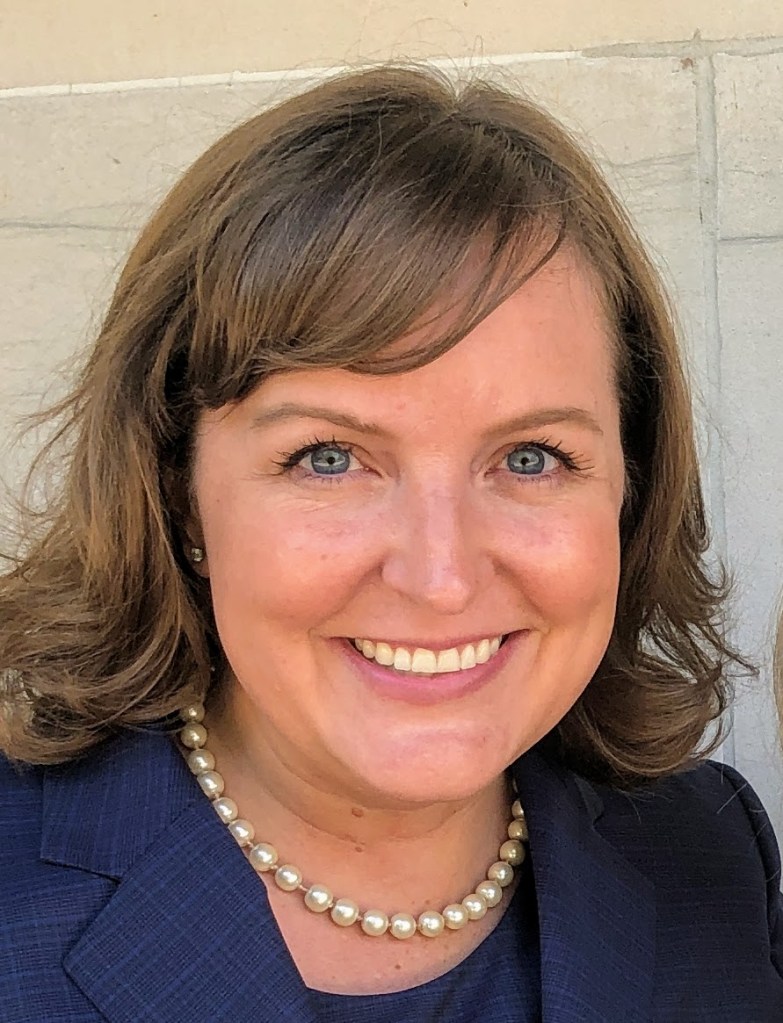
In this episode, I talk with Dr. Sarah Powell about preparing faculty job applications. Dr. Powell provides advice for writing common application documents including: CVs, cover letters, teaching statements, research statements, and diversity statements. We discuss ways that applicants can best highlight their accomplishments and experiences to prepare competitive applications. Be sure to check out Dr. Powell’s webinar about preparing faculty job applications as part of the Division for Research of the Council for Exceptional Children’s Academic Job Search series. You can connect with Dr. Powell on Twitter @sarahpowellphd and check out her research on her website.
Transcript
NOTE: This podcast was transcribed by a free tool called Otter.ai. Please forgive any typos or errors.
Danika Pfeiffer
It’s great to have you. Let’s start off with learning a little bit about you and your background as you were growing up and before you started your academic journey.
Sarah Powell
Okay, yeah, so I was born in Ohio. And I think an important part of my educational journey is that both of my parents were school teachers. And also my dad’s mother and father were both school teachers. And my great grandmother was also a school teacher. So I think that teaching was in my blood, even though I didn’t know it growing up. So so my journey is I grew up in Ohio and I went to college in Kentucky. And it was during that time that I was figuring out what I wanted to do with my life. And I decided to major in elementary education. So I spent a lot of time especially in kindergarten, first grade classrooms. That’s where I always felt very comfortable and really liked working with the kids. I like working with their teachers. And so then after I graduated college, I went to do a master’s degree at Vanderbilt University in Nashville, Tennessee. And I think that’s where things really started to change for me because it was during that time that the department of special education was looking for a research assistant to go and do work in kindergarten, first grade classrooms, and I said, Oh, that’s me. I love doing that. And the person who was leading that work was Dr. Lynn Fuchs, who ended up being my mentor for my PhD. And so through those experiences, I learned so much about not only doing research, but just how doing research in classrooms could really improve math outcomes for students. And so I started to really think about doing that for my PhD and then here we are today. So that’s my journey, a little abbreviated, but yeah, so
Danika Pfeiffer
that’s great. I’ve heard from a lot of people how those early research assistant positions have really led them to want to pursue research and get into it.
Sarah Powell
Yeah, and really thinking that research is fun and applicable instead of just something that you do like you read and you write. When you spend time in classrooms like working we were working with teachers to implement a Peer Assisted Learning Strategies program. And they would say we need more of this or this isn’t working and then you could go back and rewrite the program and try it again. You know, the next month, you could really see how you’re doing research, but it’s also so practical. So I think that those early experiences really led me to where I am now.
Danika Pfeiffer
That’s great. And we’re going to be spending time talking about the job market. How was your initial experience?
Sarah Powell
Oh, my goodness. So I finished my PhD and I was, at that time a little unsure what I wanted to do. I wasn’t sure whether I wanted to go and try to be a faculty member at a university. I also had the offer to stay at Vanderbilt and work as a full time research coordinator and I loved living in Nashville and so that was very appealing to me. So the first I went out on the job market twice the first time I wasn’t convinced that I wanted to take a job. And then the second time I was convinced so the first time I put a few applications out there, I participated in one on campus interview. And at that time, I turned that job down because I decided that I wanted to stay in Nashville, and that by the next year, I realized it was it was time for me to go it was time for me to spread my wings and do my thing. And so then I went on the job market the second year seriously. And so that time, I could look back, but I probably put in about 15 to 18 applications and I may have done about I don’t know six to eight photos at that time. phone or Skype interviews. Then I had to on campus interviews, and I did get both of those offers. And then I took one of those jobs and that was at the University of Virginia. So that’s where I started my academic career.
Danika Pfeiffer
Okay, that’s great. Well, I think that really helps to illustrate how this application process can be really intensive. Oh, yeah, a lot of submissions.
Sarah Powell
There there is. And I think if I was doing so I was on the job market that was 2011. And I think things have intensified since that time. And so I wouldn’t surprise me now. If people are doing double the letters to universities. I think 15 is probably a little on the low end at this point. So I know one of my students probably submitted maybe 25 to 30 letters last year, you know, applications last year for any academic jobs that were open.
Danika Pfeiffer
And what positions what fields were those? Four? Yeah, so
Sarah Powell
I’m in special education. And so I was applying to jobs in special education, either programs or departments. And my area of interest is mathematics learning difficulty. So it’s a little difficult to find a job in that area, you know, because many special ed positions may be open, but then you might hear that they’re looking for someone who focuses on reading or focuses on autism. And then many special education postings. Do say we’re interested in someone who can teach classes related to transition. Er, were interested in someone who can teach classes related to reading learning disability. Well, that’s not my wheelhouse. And so I wouldn’t apply to a lot of those jobs where they were very specific about what they wanted. But when the job was more general, when it said we’re hiring in a special ed program or special ed department, and if they did it say they knew what they wanted, then I would apply and try to convince them that they need someone who focuses in mathematics. The two jobs that I ended up interviewing for and getting neither of them stated anything about math. And so it was only through me showing up and saying like, hey, math is important. And I think that I would be a good bass teacher and math researcher in your department. Then I received those jobs. So I think part of the application process is really understanding who you are and what you can offer. And then also sending in the applications if you think you might fit and let them tell you know, that’s often what I talk to my students about and others is, if you think it’s a possibility, go ahead and apply and the only thing they can, the worst thing they can tell you is no, but a better thing that they might be able to say is hey, let’s interview let’s do a zoom interview. Or eventually maybe we want you to come to an on campus interview. Now some things may be way too outside of the ballpark to apply. For like as a math learning disability person. As an example, I wouldn’t apply for math ed jobs like in a general education department. I know that they would not be interested in interviewing me, but really anything and for me special education up educational psychology. Is that framework I could have applied for those jobs. And that’s
Danika Pfeiffer
really helpful. And I think there’s a lot of similarities there with jobs in communication sciences, where there’s these big nine areas of speech language pathology, and sometimes it’s listed in the post what area they’re looking for, and they need to fill. Yeah, sometimes it doesn’t, and they’re more open to any position. And I like how you highlighted that, then it’s up to you to sell yourself that you are the missing link. Yeah.
Sarah Powell
Well, and I’ve talked to people about this before Danika, where it’s a little short sighted, sometimes for universities to say, we want to hire a person who teaches these classes. That’s a very one to three to five year view on a job. But if you’re hiring someone, I mean, sometimes these positions we may be in them for 20 3040 years. If you’re hiring someone for the long term, it always doesn’t maybe matter what their focus area is. It’s more what they can bring to the department whether that’s through teaching, whether that’s through service and leadership, and often what people are looking for is through research and grant funding and publications. And so I kind of thinking about saying that because if you are looking for to live in specific geographical areas, like I want a job in California, or I want to be on the East Coast, and they’re saying, hey, we want someone to teach these jobs. You might as well go ahead and apply if you think you have a lot of potential to bring to them in the long term. And again, let them tell you no, it’s really not a lot of effort for you once you have a strong cover letter and a CV and all those other documents to go ahead and put in the application. And but then don’t be too offended if they tell you know, if they’re looking for x and you offer them why.
Danika Pfeiffer
Right. That’s great advice because the post can be really different and sometimes it’s hard to know if you should take the time to apply or not. So I like that advice to just go ahead and put yourself out there and you never know maybe they won’t get applications for that specific content
Sarah Powell
area. That is exactly right. And just have to kind of roll the dice a little bit
Danika Pfeiffer
to do what feels uncomfortable in the moment.
Unknown Speaker
Before we dive into each of the different documents, what lens are you coming at this with? What kinds of roles and positions have you had in academia or on search committees?
Sarah Powell
Well, so I have been on the academic job market so once I took my job at the University of Virginia, I then applied for and got a job at the University of Texas at Austin which is where I am now so I had to and I did that two years after being at the University of Virginia so I was rewriting my CV rewriting my cover letter rewriting all of the other documents and applied for that came for an on campus interview, got that job and negotiated that job. So I’ve done that twice now. And then since I’ve been at the University of Texas at Austin, I have been on I tried to count them up when you asked me about this. I think I’ve been on maybe about six to eight hiring committees I’ve never chaired one I just received tenure a few years ago. So I’m sure that’s cut. Now, but I have been on committees where we were hiring within our department and then the last two committees that I’ve been on, were across college efforts. So we have a new dean at our college and he has put forth efforts where they’re just looking for like a really great candidate who might fit in several departments at the college. And so the last two committees that I’ve been on, were across departments and those were actually fun committees to be on because I met other people but they were also much larger. So our typical committee within our department might have about five members. And those those committees that were across departments, the last one I was on had 11 members. So just organizing the meetings and and trying to account for everyone’s interests and needs was quite a bit so I’m glad I did not share those but it was a fun, fun thing to be on those committees.
Danika Pfeiffer
Okay, so lots of experience here. I’m really happy that you can share your wisdom with us. Yeah, let’s go into kind of an overview of what our faculty really looking for when they received this application package and it comes through, what are they looking for in these documents?
Sarah Powell
Well, from my experience being on committees with lots of other people, everyone is looking for something different. So that’s not going to be the greatest answer to your question, but I’ll go ahead and start with that. I would say that the biggest thing that you’re looking for really depends upon the university where you are. So the University where I work is, especially in our department is very research focused. Most of us have grant funding to support our work. And so when we are doing within department searches, we are looking with people that either have or have the potential to do research that is going to be important in special education and find the resources to support their research agenda. So you don’t have to have grant funding to get interviews at our university or even get a job at our university. But I think our number one thing is focus on research. Now secondary to that we always want to look at teaching and what their either teaching experiences have been or what their potential to be a strong teacher at the university is. And we do often for us in special education. We look to people that have some experience teaching children who have a disability or who are at risk for a disability, but that’s not necessary. Maybe people have had teaching experience by working as a research assistant on school based research projects for four or five years like that would count but we want to know that you have experience with the population of students that you want to work with. So I’d say research and then teaching and those are probably the two largest things that at least I’m looking for. Now at the at the across university committees that I’ve been on there. We’re also looking for third thing and I think that that is collaboration, slash leadership and most of the time when we’re hiring someone and those across the college job offers, it’s someone who’s maybe an associate or full professor already, but we want them to come in and be a leader in the college with whatever they want to study and be able to bring people from different departments together. So there I think we’re looking for a third thing, which is that collaboration aspect, which we might not be looking for in within the department job.
Danika Pfeiffer
Okay, that makes a lot of sense. And I think again, there’s a lot of similarities with CLT and you know, I think a lot of times they’re looking to see that you have experience working with that population that you do research with or that you are going to teach about. So I think there’s a lot of similarities there. Let’s talk first about CVS. What are some main elements that applicants should be sure to include in their CVs when they’re applying for faculty positions?
Sarah Powell
Well, I saw your questions ahead of time. And the first thing that I thought about when you add we’re going to ask about CVS is that that CV better not have any mistakes in it. So I’ll just go ahead and put that one out there. proofread it proofread it again, have somebody else look at it, run it on Grammarly. But you know, one of the things that I typically will look for is just a nice, consistent CV, and I don’t want to see a lot of mistakes and I also want it to be consistent you know, if you’re using tabs or if you’re don’t change fonts, like there are things that I think are kind of important on the front ends that I want you to think about. The second to really answer your question about the CV I would see when I’m looking at them. I want to I want you to tell me on the first three pages of your CV. How are you going to fit into this job that we have at this university? So if you’re applying for a job at a university that’s very teaching focused job on the first page of your CV. I want to see the of courses that you’ve taught before or guest lectures that you’ve done before. I want you to tell me how you are a great teacher. Don’t bury it on page five. Now, if you’re applying for a university job where you’re focused on research, then on that first page, you better smack me in the face with stuff that you’ve done related to research, whether that’s a publication that you have whether that’s a research projects that you’ve worked on, whether that’s a grant that you have, like don’t don’t bury the lede, right, like that’s what they always tell people to do in journalism. And so like, really think about designing your CV for the job that you’re applying for. And you might be planning on applying for several types of jobs. And so it may be that you have three different versions of your CV. All of them have the same information within them, but then how that information is organized. You may change from job to job. So if it’s, it should be on the first second or third page. It should be very easy to find what are the most important things about you?
Danika Pfeiffer
That makes a lot of sense. I think it’s really smart to have different versions of your CV, or she can easily put together and send off but putting that extra time and thought into how its structured and organized.
Sarah Powell
When we get let’s say I think the last like within department job that we had listed. We probably had over 80 to 90 applicants for one position. And if we’re looking in our department, we’re looking for someone that does do a lot of research, right. And, you know, several people’s CVS would start off with, like their teaching experience, which is great, but that’s not the priority for our department. And I remember one applicant had grant funding, but it’s I think it was on page five, and you’re like whoa, let’s bring that up to the top like lit we want to know that. You can, you know, independently fund the research that you’re interested in doing. So go ahead and tell me about that early on. And so I don’t think that people who are going on the academic job market always think about this idea that you want to send in a different CV for different jobs. Now, there might be 10 jobs that get the same CV because they’re all at teaching focused universities or they’re all at research focused universities. So you don’t have to change your CV for every single job that you apply to. But I think having a few different versions where you highlight the different aspects of yourself. That’s going to be really helpful for the committee to understand who you are very quickly.
Danika Pfeiffer
That’s really helpful. Do you have advice sometimes I remember in my own experience, when I was looking at a job ad, I wasn’t really sure if the department was more teaching focused or more research focused because it’s not always specifies that clear, right? Yeah. Do you have any advice on what to do in those kinds? of situations?
Sarah Powell
dagga? That’s a really good question. My best advice is to talk have some mentors as you go on to the job market. They might be at your university, or maybe it’s a recent graduate, you know who maybe it was like two or three years above you and your program and they’re now out in an academic job. You’ll call them, talk to them, or just talk to other people. I know that my mentor was really helpful when I would say oh, look at this job. And she would say I know about that job and they’re not interested in hiring a special ed person. They’re looking for a school, school psych person or you know, something like that, but I think it’s also people who already have jobs will be able to tell you within reason, you know, what that university typically does. So it might say, you know, at that university, they’re really interested in training pre service teachers, and so that might be a really great place for you to go to if you’re really interested in pre service teacher preparation. So I think talking to others is probably the best way to do that. Because in those job ads, the university is typically not going to tell you that and also, what I’ve seen and when I’ve read job ads recently is that most universities really want people to have funding to support their research agenda. And that is true from you know, the more like historical research universities, but that’s also true for a lot of universities. That haven’t always had like a strong research focus, because universities love it when you bring in dollars to their college or their university. And so while everybody may say that in the job ad, it may not be as expected, as at other universities, and you may be able to discern some things from the job ad if they say that like if you would be teaching like a three, three load, like three courses in the fall or three in the spring or even like a four four load. That to me would immediately say that that’s probably more of a teacher focused job than if it says you’re going to carry like a two to load like two courses fall two courses spring or even like a one, two, that is probably a more research focused job. But even though there are those hints in the job, AD, I think talking to other people is your best bet.
Danika Pfeiffer
Yeah, I love that advice. I tried to do that myself when I was on the market. And yeah, we have our professional conference Asha in the fall. And a lot of people knew I was on the job market and it was a great time for me to just go and pick people’s brains about auditions. I was thinking about Yeah, and I found that people were really happy to do that and they would share with me things they knew about the department. So I think that’s great advice. And I found it to be very, very helpful.
Sarah Powell
Yeah. And people can tell you other things that you may not be thinking about. So they could tell you, Oh, the faculty there are super great to work with or they’re super young and they’re super energetic, or they might be able to tell you things that you don’t want to hear. You know, maybe that Oh, I know two people that have worked there and each of them left after three years. Right. So those might be some warning signs that you’re never going to get from just reading a job ad. Yeah. So talking to others and and just kind of like putting your ear out there. And seeing what people say about things. But I also I think that even when you’re talking to people, you know, some people might say, Oh, I’ve heard it’s, you know, tough, tough to work there. Well, you know, that might have been true 10 years ago, but that might not be true now. So I think that you have to take everything take it in but also go and find out for yourself if you’re really interested in that job are really interested in living in that place and you think that job is going to be a good fit don’t always let others dissuade you from taking that job if you think it’s going to be a good fit for
Danika Pfeiffer
you. Yes, I agree and and culture in the department can really shift and change over time depending on pretty
Sarah Powell
Oh, yeah, very quickly. You know, they get a new dean in there. You get a new department chair or someone retires who may have been a little cantankerous Yeah, things can really change quickly. And sometimes you’ll see that there are jobs where they’re going to hire 234 people at the same time and, and I think that I’ve known people that have taken those jobs and those jobs are invigorating, because you come in with a bunch of other like young, energetic people, and you can really make that department great. And so yeah, they might be like, well, 10 years ago. This wasn’t a great place, but now it is. And so, there are there are shifts that may make things a better job than you actually think. Yes,
Danika Pfeiffer
yes, absolutely. Let’s switch to cover letters. Now. What are some main pieces of information that applicants should be sure to include in a cover letter?
Sarah Powell
Well, for me, I won’t speak for everyone who’s ever been on a job committee. But for me, the cover letter is the most important document that you turn in. I think for other people, it’s probably a different document, or maybe it’s the CV or maybe it’s their teaching statement, or maybe it’s their diversity statement, but for me I am a person that works at a research focus University. The cover letter is the thing that I read, I look at the CV but then I really read their cover letter. So the cover letter needs to tell me about you. I want to know who you are what you’re interested in, what you’ve done, and what you plan to do. That last part, do that within reason. Don’t don’t oversell it, you know, and sometimes people are very brazen and say like, well, I will get you an IES early career grant to support this and it was very hard to get an IES early career grant. So I wouldn’t say that I’m going to do that. But I might apply. But also tell me other ways that you are going to support your research. So tell me a lot about you. Then I think the second thing that’s really important a cover letter and this is where you do want to tailor your cover letter for the job that you’re applying for. And that is telling me why you think you’re a good fit for a this job that we have posted and be this university. I would say of the cover letters that we receive less than half do this. So many of the cover letters I think are just a stock cover letter that the person sends out. They won’t even name the university in the cover letter like I am applying for a faculty position at your university. Right. So yeah, people do this and I think it’s because you’re like sending off a lot of them. But you know, really just instead of saying at your university, say at the University of Texas or the University of Delaware or wherever you’re applying right and I don’t need to see a lot but typically I want to see a kind of like this toward the end but you put it wherever but I would say I want to see why you why you really want to be here. So like I would love to come work at the University of Texas at Austin to be in this department of special education to continue working in this area with these professors maybe even named people that you think would be nice to collaborate with. But what I think a lot of people want to see is something that has been thoughtfully written about the position. So if the job ad says that we need someone who’s going to teach classes related to transition, tell us that you’ve taught those classes before or that you can teach those classes. Or maybe the job ad says that they’re looking for someone who can be a leader to redesign the pre service teacher preparation program. Tell us about that. Right. So don’t let us guess smack us in the face with the information that you have. And so take your time on those cover letters, I would say a really good cover letter should probably be about two to three pages, maybe a little bit more. Don’t go beyond for like I don’t want to read that much more about you introduce yourself in the very first part. Tell us what a job you’re applying for. And then tell me a good story about you. Where did you come from? How did you get to education? What have you been doing in your Ph. D program? What have you been doing research wise? What have you been doing teaching wise? What have you been doing? Service wise? You know, have you been going to conferences have you been on a student a member of a student council or anything at your university? And then close this letter by telling me why you are the perfect candidate to apply at this specific job at this university? I think that’s the thing that a lot of people miss. And they kind of leave it up to the committee to decide Well, I think this person might be good. But if you’ve taught specific classes or if you’ve done specific research that really gets to some of the bullet points in the job ad you better tell me about it right now so that I don’t have to second guess it.
Danika Pfeiffer
And I think that’s really smart and personalized especially if you’re in a pool of applicants that has 80 to 100 Yeah, exactly. gonna stand out. So being able to take that extra time to personalize it is definitely worth it.
Sarah Powell
And I think it’s it’s like a fine line. You have to brag on yourself. But then you don’t want to be too showy. So how to do how to balance that is, you know, that’s the magic that we’re trying to figure out here. But tell me if you’ve got a publication a really good journal name it, you know, like and this work was published in exceptional children, blah, blah, blah, right. I think that we could do some studies here. So I am a woman and I don’t think I probably brag on myself as much as some maybe male colleagues do. I’ve seen cover letters written by other people where I’m like, wow, that’s braggadocious. But then that person sounds spectacular, right? And then you don’t want to be overly showy. Let’s say that you have five publications or you’ve taught five classes. You could say like, well, I’ve taught five classes at this university, but you don’t have to tell me the names of all of them or don’t go on too much. And so this is where getting feedback on these cover letters from people who are currently in faculty positions or, you know, maybe even people that are on the job market as well and kind of ask them, am I talking about myself too much, or should I include more? And I also think there are cultural differences here I have students who come from different settings in the United States and outside of the United States and your background and your culture may lend you to not brag on yourself or to brag on yourself too much. And so what is the fine line between giving information and showing that you’re a superstar versus sounding like you’re a No at all? Very hard to balance. And I would say don’t only get feedback from one person. So when I’m giving feedback to my students, you’re on the job market. I encouraged them to get feedback from other people because my opinion is only one opinion. And you have to think that on a on the committee to look for a faculty member. There are 567 10 people so you should probably get feedback from at least 234 people on what your cover letter looks like and what your CV looks like. Because different people are looking for different things. And then you may get advice that is kind of at odds with one another. And so you’ll have to just decide what represents you the best
Danika Pfeiffer
That was really helpful for me on my search. And I had received the same advice, getting feedback from a lot of different people, people that are in your area of interest and people that are outside of it. And so who
Sarah Powell
did you who did you ask to get feedback from like your mentor and then who else?
Danika Pfeiffer
Then some of the people that had been on my dissertation committee, I would have asked different people there some of my co workers that have PhDs but not in speech language pathology, yeah, their perspective on it as well. And then some people that were also on the job market with Okay, oh, that’s great. I have a variety of people. And I found that to be really helpful. I know, I had a similar experience, like you described where I wasn’t highlighting my grant font, my grant writing experience that I had, I didn’t have any external funding that I was bringing with me, but I did have some great writing experience in my postdoc. Oh, yeah, I was leaving that out. And oh, you gotta tell people about toughie. Well, so yeah, you know, I was thinking, Well, I don’t actually have any grants, but I had done all this work and learning the process. And so I think it is really helpful to get feedback.
Sarah Powell
Well, and you know, you bring up a really good example there because in a lot of these university jobs, they are will say grant focused, right. And you might be all that dissertation or maybe you’ve just finished your dissertation and you’re going on the job market, and you don’t have a grant from the National Science Foundation. Yeah, right. But you’ve probably taken a grant writing class, or maybe you’ve worked with a professor on rewriting parts of a grant. A lot of my students I’m grant writing right now and some of my students participate in the planning meetings for that. Now they’re not writing the grant, but they’re kind of seeing what goes on behind the scenes and many times they may be helping with the citations. And so you know, you can say like, I have helped Dr. Sarah Powell with the preparation of a IES grant and then many students are writing grants that are either dissertation grants or doctoral student grants are internal grants. And so they might be for $750. And you might be like, well, that’s small potatoes. I’m not going to tell anybody about that. I’m like, No, tell, like you wrote something that other people gave money to. That’s spectacular. It doesn’t matter if it was only $750 That shows me that you are fundable. And so, yeah, think about the experiences that you’re participating in. And maybe the thing maybe you’ve been roped money and got funding to go to a conference and you’re in but somebody gave you money to do something you should tell everybody about all of that. But don’t oversell it, you know, don’t think it was like a million dollars. It was $500. But yeah, I would say like put all of that on there. And I think the same thing goes with teaching a lot of our students at our university we don’t always have opportunities for them to teach a full class, but we encourage them to go and do guest lectures in classes. So you could say while I have not led my own class at the university level, I was a teaching assistant for one semester here, and then I have done four guest lectures. And these four classes about these four topics. And I would say if you if you can think about this well ahead of time, if you do go in and do a guest lecture, get an exit ticket from all of the people that were in the class, whether it’s undergrads or master’s students or doc students even and then all those exit tickets, ask them a question of like, what did you learn today? What did you like about this teaching? What could I improve? And then you could use that you may not have formal teaching evaluations to talk about in your cover letter, but you have informal feedback on your teaching. And so you could say, when I taught these guest lectures, students in the class liked how quote hands on it was, or, quote, how are we engaged in such deep discussions about this, right? So you can actually collect some of that teaching feedback data yourself that a year or two later will be really helpful to put into a cover letter to show that you do have some teaching experience. That’s great advice. I have one other thing that I’m thinking about here that I think is really important in special education, and maybe I think also with SLPs the job ad may say like we want you to have experience being a teacher of children with disabilities. Well, you have may not be a certified teacher of students with disabilities. But maybe you worked with kids with disabilities at a summer camp that actually applied to me. I did a summer camp for kids with muscular dystrophy for 10 years. And I wrote about that on my cover letter. While it was, quote, just a summer camp. That was like a really impactful thing for me to do. That. You also may have worked on research projects. So maybe you were going out into schools and you were testing kids. Well, that doesn’t seem like you were a teacher, but you were working with kids. And so are there ways that you can take some of your experiences either before your PhD program or during your PhD program. And don’t again, don’t oversell it. But like Tallis, I tutored these kids for 50 sessions during the school year and I got to know them and I did this with them. So even if you weren’t a certified SLP, or certified Special Ed teacher or even a certified general ed teacher, you probably have experiences in that realm. And you can talk about those in your cover letter as well. And that’s something you’re never going to get on a CV and I think that right there, shows you why the cover letter is so important.
Danika Pfeiffer
And this segues really nicely into teaching statements. Okay related a lot of great experiences that you can highlight in a teaching statement besides just being the primary instructor of a course. I think other feedback I’ve received as any coaching that you may have done if you haven’t been an SLP in the classroom or out in the field, but you’ve done some coaching of parents, or individuals you can include any coaching experience is highlighted the guest lectures, any other pieces that maybe they should highlight in the teaching statement.
Sarah Powell
Yeah. So one thing that I do a lot of is I do a lot of teacher professional development. And so while that is not technically teaching, you know, I’m not giving people a grade for that. I am designing I will say lectures, but that’s not what it is. I’m designing learning. I’m going out into the schools. I’m doing that with groups of 1050 to 100 teachers. And so I am teaching but it’s a different way of teaching. So I love your examples there. Right? So you may say, I’ve never taught a class, but have you done a lot of other teaching? Have you been a tutor? Were you a tutor for kids? Like there are so many ways that you can maximize that. And so I think in your teaching statement, what I like to see is tell me a lot about your TV experiences. And usually these are one page. So they might be a little bit longer than that, but you’re not. You don’t have a lot of space here. And you also don’t want to repeat verbatim anything you’ve done in the cover letter. So if the job ad says we’re looking for someone who can teach you that so you better be talking about that cover letter. And then you can expand upon that your teaching statement. But I’d say your teaching statement is mostly what you’ve done before in terms of teaching and we’ll say teaching is a very wide construct, but then close us with what classes would you like to teach or do you think you can teach? And so look at the university if you can I know some universities have this behind their university paywall? What are some of the classes that people would be expected to teach or to take in the department? And you know, say like, Oh, if I had the opportunity, I’d really love to teach classes related to learning disability or intro to special education or assessment, special education, or whatever it might be like, tell us a little bit about where you think you would fit and know that a lot of those classes are already being taught by other people and they’re not going to give up. But yeah, don’t say like, there’s only one class here and it’s going to be math methods. And I syrup out would be like, No, that’s my class. I teach that right. That gives us you know, 345 classes are just like topics where you think you would be a good teacher.
Danika Pfeiffer
I think that comes in with doing your research ahead of time and trying to connect the dots for them so that maybe there’s a course that you think you could teach, but they would have no idea because you haven’t talked about it. So yeah, make sure that you highlight that in your teaching statements for sure. And you talked a little bit about including if you turn some teaching evaluation information into a teaching statement. Do you have advice on how to do that without just kind of giving numbers or? Yeah, well, I
Sarah Powell
did teach a class when I was a graduate student. Somebody was on sabbatical. So I ended up filling in for them. And so I had evaluations. And so you know, I think I said like, oh, and you know, this semester I taught this class. It was well received students in the class gave me a blank out of blank for effective teaching and rated the course as a blank out of blank right. So so I would just put those maybe in parentheses I really didn’t rely on him. But what I included more of were quotes from the students. So you know, it’s like, you know, my teaching I always tried to make it very hands on and so I’d say students in the class said, quote, I loved working with Sarah and I loved using the math manipulatives every class period, right so I think that there tells you a lot more about that than like a score, right? And if you did teach a class and maybe it was, you know, in COVID, or you know, teachings, kind of new to you and maybe you didn’t get the the highest ratings that you did you wanted, I probably would leave the ratings out. of it and rely more on the student comments. So,
Danika Pfeiffer
okay, perfect. And we’re running short on time. So statements, no, this is so helpful.
Sarah Powell
I don’t like it when universities ask for reach search statements. And that’s why I said I really rely on that cover letter. So take your time, make that cover letters really awesome. Because I always feel like the teaching statement and the research statement are somewhat of a rehashing of the cover letter. That that’s my personal opinion. And I know universities still ask for them. So here I think I would do the same thing and the first part of that letter, tell us about what you’ve accomplished. And it may be what research that you have done yourself. But if you don’t have a lot of that, tell us about research that you’ve participated in. Have you been a graduate research assistant or even have you just volunteered to grade assessments over the summer? Or did you sit in on some research team meetings? I have several students at our university who are doc students, and they have asked us to come and sit in on my research team meetings. I’m not their mentor professor, but they want to see how other research teams function, you know, and so tell us a great idea. Yeah, it’s a nice idea. And then then the last part of that letter should tell us about what you’re interested in research wise and where you want to go with that. So, you know, I think all of these letters are like a look back and to look forward. So really thinking about that balance there. And again, like not bragging too much, but bragging enough, and then not over promising like I’m gonna get these grants and by the time I do this, I will have $10 million in funding, well, probably won’t, but you know, tell us what you think you want to do. In this time?
Danika Pfeiffer
Yes, yes. Okay, great. And last one is the diversity statements. So what advice do you have for putting together a diversity statement?
Sarah Powell
Yeah. So when I was on the job market, I did not write one of these but I have seen these at our university. The candidates do turn up said, and so I would say just kind of the same thing. First, tell us about your experiences with diversity. So you know, you may be a person in the United States who’s from a diverse background. Tell us a little bit about that. If you aren’t, tell us about your experiences working with students who are from diverse populations, and don’t think about diversity just in terms of like race and ethnicity. But maybe you’ve worked in a lot of Title One schools. So that’s a you know, example of diversity. Maybe you work with students who have speech or language difficulties. Maybe you work with students who have learning difficulties. You know, I work in a space where I don’t actually work with students in special ed, I work with students who are at risk for learning disabilities. And so I would talk a lot about those students and why it’s really important to work with them or maybe you’re working with teachers or paraprofessionals who are from diverse backgrounds or you know, so really think about having a wide interpretation of diversity and your experiences working with those people, whether it’s students, teachers yourself, and then I think the second part of that is, well, how is this going to impact what you do next? So how are you going to think about diversity and equity from a teaching perspective? How are you going to think about this in terms of the research that you do and the schools and students that you recruit and so again, it’s like a look back and look forward? That that’s what I would put into my diversity statement.
Danika Pfeiffer
I found that it was really helpful when I got to that portion at the end of looking on the website for the university and even their statements. Yeah, yes. Like that’s exactly right, and what resources they have on campus for diversity and talking about how you could promote those resources for that student. Excellent.
Sarah Powell
Yeah, for sure. You do have to do your research. And it’s you could go down some rabbit holes, right? Like if you’re applying for 20 jobs, just spending time on the websites for 20 universities a lot. But I think you probably have, you know, if you have a good core you have a good core CV and cover letter and then research statement teaching statement diversity statement, then you can fine tune those based on what you find on the university websites. But also don’t try to overdo it. I think that your time is probably spent better elsewhere. But yeah, I would spend a good 30 to 60 minutes just learning about the university. Right? For us. It’s important to have like, is this a department or is this a program within a department? You know, sometimes are you in a college of education or is this a College of Human Development? You know, how many faculty members are here kind of knowing a little bit about that may help you craft all of those letters and statements so that people understand that you actually know what you’re getting yourself into. And you’re not just sending out the same stock thing to every application that you are fulfilling?
Danika Pfeiffer
Absolutely, yeah. All right. Well, this has all been so helpful. And thank you so much for sharing all of your perspective and your advice. You’re welcome.
Sarah Powell
Thanks for having me.
Danika Pfeiffer
You’re welcome. I have some final rapid fire questions on my guests in the last minute here. Let’s do it. Okay. The first one is what is one resource that you couldn’t live without? Resource? Yes.
Sarah Powell
Does everyone say air?
Danika Pfeiffer
Nobody said air yet. though. Okay. Okay. What has been a defining moment in your academic journey?
Sarah Powell
The day that I applied for a job in the department of special education with Lynn Fuchs had no idea who she was and then she hired me as a research assistant that one thing probably changed the course of my adult life.
Danika Pfeiffer
Awesome. Yeah. What is one thing on your professional bucket list?
Sarah Powell
That’s a good one Danika professional bucket list
Danika Pfeiffer
thing you’ve been working towards or
Sarah Powell
Yeah, I would. i Okay, here’s what it is. I would like to get a grant that helps us examine how students write in mathematics. I have applied for six grants about mathematics writing, and not a single one of them has been funded. I don’t think people see that it’s an important topic, but I actually think it’s really important. So I would like to get a grant doesn’t matter. where it’s from, about mathematics writing.
Danika Pfeiffer
keep my fingers crossed for you. Yeah. Your favorite part about your job as a professor?
Sarah Powell
Oh my gosh, I love most of it. I love working with my dog students and I love working with my research teams and the leads of those research teams. I have a fantastic group of leads, and it’s just fantastic to work with them.
Danika Pfeiffer
Awesome. And lastly, how can people connect with you or learn more about you and your research?
Sarah Powell
Oh well, you can find me on Twitter. If you’re on Twitter at Sarah Powell PhD. I have a website which is Sarah Powell phd.com and just email me I feel like I’m pretty social. And I’ve done a lot of conferences more especially at conferences than Speech Language conferences, but I always enjoy getting to know people. So reach out and let’s talk about specifically not so that’s what I was talking about the most.
Danika Pfeiffer
Yeah. Okay. Well, thank you again for your time.
Sarah Powell
Hey, thanks so much. Danika.
 About, From, & With