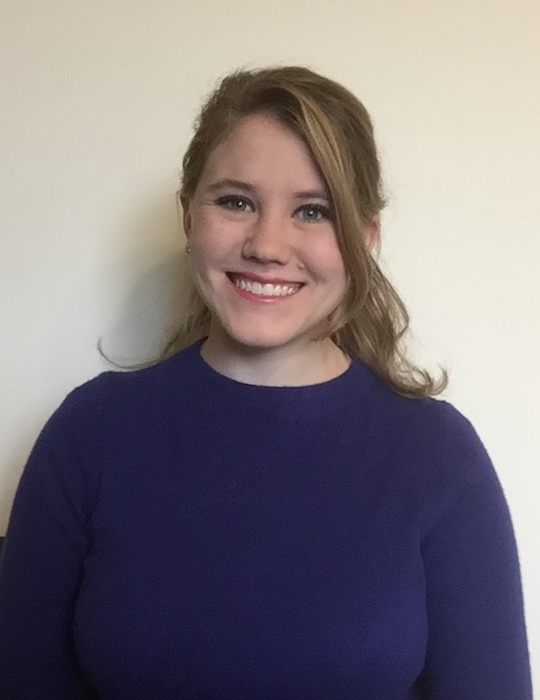
In this episode, Lauren Larramore shares her SLP journey, from being waitlisted for graduate school to switching Clinical Fellowship positions, and eventually landing in a rewarding position in a school for children with Autism Spectrum Disorder. Lauren shares how a low caseload and built-in time for collaboration allows her to work closely with several different professionals in her school. She discusses her experiences training and coaching other professionals on her team, as well as how the team communicates regularly with each other and the students’ parents. She also provides tips for building and sustaining relationships with other professionals to better support children and their families.
Learn more about the Vista School where Lauren works at: https://www.vistaautismservices.org/the-vista-school/
Podcast Transcript
NOTE: This podcast was transcribed by a free tool called Otter.ai. Please forgive any typos or errors.
Danika Pfeiffer
Hey everyone, today I’m excited to share a conversation that I had with Lauren Larramore, she was actually one of my roommates in grad school, and now she is a speech language pathologist in Hershey, Pennsylvania. She currently works full time at the Vista school with elementary school students with autism spectrum disorder. Lauren completed her bachelor’s and master’s degrees in Communication Sciences and Disorders at James Madison University in Harrisonburg, Virginia. Then she entered the field because she felt very passionate about assisting and building up individuals who do not have a voice. Lauren is also a faculty member of Andrew’s gift, an organization that provides grants to individuals diagnosed with autism spectrum disorder, and allows them to access technology and other resources to improve their lives. Lauren shares how she decided that she wanted to be a speech language pathologist after pursuing a lot of different courses to figure that out. And then once she applied for grad school she talks about how she was waitlisted and then was eventually accepted into grad school, and then when she started her cf How she actually switched positions in worked in two different places for her CF. Then she goes on to talk about her work at the Vista School, where she has a very small caseload and that allows her to have more time for collaboration so she shares some tips for how to collaborate with other professionals that I hope you’ll find really helpful. Thanks for tuning in, And be sure to follow me on Instagram at danikapfeiffer.slp to stay in the loop. You can also follow the podcast to be notified when new episodes launch. Enjoy. Hi Laura. Thank you so much for being here today to share your journey.
Lauren Larramore
Hi Danika, you’re very welcome. I’m excited to be here.
Danika Pfeiffer
It’s great to have you. Let’s start out with a little bit about you growing up before you started your SLP journey.
Lauren Larramore
Yeah, sure. I grew up in Baltimore in the county. And I went to a couple of different private schools, they’re in elementary school I went to school in the county and then when I moved into high school I went to school in the city called Mercy High School. And I always loved school, and I always knew that I would want to go to college. But in terms of what I wanted to do. I never really had like a clear, I definitely want to do this profession, when I was growing up. For a while I would say, oh I wanted to be a teacher always seem to get around like wanting to do things with people for people. I guess maybe call them like service industries, I was very captured by the idea of doing something in the medical field for a long time, but never anything in particular until I got to college when I started to find my path there. But growing up I never had a super clear direction of where I wanted to go but I knew that I loved learning, and then I love school. That’s what I really enjoyed at that time in my life.
Danika Pfeiffer
Great, then you did go on and you attended James Madison University for your undergraduate degree at that point, how did you find CSD and get interested in becoming a speech language pathologist,
Lauren Larramore
I had quite a journey to find CSD I started as I know I was majoring I can’t think of the actual major I think it was just the education for teaching, I wanted to teach high school, so that was my major when I started college, And then I think I had probably seven different miners throughout my time at JMU as my passions changed I was at one point pre law for a year and a half. I’m just really running the gamut of what can I do, what can I learn how many classes can I fit in, what can I take, I was really doing a lot of exploring my freshman and sophomore year. And, by the advice, like, oh I really need to pick one thing, so that I can finish it on time and make sure I’m like, taking everything that I need to learn that information well, and when I was looking at degrees. I got really pulled in by the therapies. So, James JMU has this great class or in the CSD realm for like the intro to communication sciences and disorders. So I took that just to see what it would feel like my sophomore year what I what I liked about it what I didn’t. I liked everything about it I really enjoyed the acoustic side of things I thought it was really interesting how the medical side blends with some of the school side of things working with kids versus adults, it seemed like a really versatile field, To me, somebody who can’t make decisions clearly about what they want to do. So I was like well this will be a good. This will be good for me I can, I can make a decision, but still kind of have my wings, wide open.
Danika Pfeiffer
Was there a particular part of the field at that point that was attractive to you working with adults versus working with kids or were you kind of liking everything.
Lauren Larramore
I really wanted to work with adults at first, so I have always nannied and I love kids. I really enjoy kids, but I didn’t think for my job that I wanted to work with kids. I don’t know why. It’s now so not that way but I was really the honestly the best word for this is enamored with the idea of working in hospital working medically, working alongside doctors to improve people’s health. So I really got pulled into the idea of working with people who’d sustained a traumatic brain injury, and I ended up doing my thesis and undergrad on that topic, and really stayed kind of focused towards the adult side of things, until later on in grad school,
Danika Pfeiffer
then you decided to stay at JMU, for your masters, how did that application process go applying to grad school and then how did you ultimately make the decision to stay.
Lauren Larramore
Oh my goodness, it was a terrible process, and I know you know, because you were already. I know you did. So once you’re in, it’s fantastic. Right, I applied, I think, to five different graduate programs. When I was in undergrad and I did get wait listed at one, and I got wait listed at JMU as well. So I did not get in off the bat anywhere, which was scary when you sit and commit and you spend like so much time working up towards the goal, and you really want to do this great work in this field that you fall in love with, with these people who impress you, and you think the world of and you are told that you know might not happen, is a hard time, so I spent, I think it was like a month on the waitlist, but I remember the day I continued to go to Jamie’s open house so I was on campus as an undergrad so I could go to their open houses and if you’re on the waitlist you’re invited. So I just continued to express that like if I got off the waitlist, this is where I would be coming. This is where I want to be. I had connections because I knew all the professors as an undergrad, and I remember the day I got the email that I came off the waitlist was going to be accepted, was just the feeling that I got to keep going and I get to come back to JMU and be a double Duke and actually have this field for my own was really exciting kind of unreal.
Danika Pfeiffer
Yeah, I’m sure that was such a relief after all that uncertainty. Yeah, I think what you hit on though is really important that you showed a lot of interest in the program and I think there’s a lot of people that this happens to where they don’t initially make it into programs and they might be on waitlist just like you were. And I think that piece of showing interest in the program and really voicing that and showing up to the open houses if you can go I think that’s really important for people to know. I think so too. i
Lauren Larramore
Our field is awesome because it really somehow pulls in, like the greatest and type A personality. So I know my whole class, it just seemed like everybody was doing all of these amazing things and how could I ever compare and oh my gosh I can’t believe that how did they get a 99 on that test that was so hard, I don’t know, it’s just it’s such a comparing game, but when it comes down to it, at least for me in my experience, what really mattered were the connections that I made within my department, but also like my own commitment to wanting to go there with my other school that I got waitlisted to I also wrote a letter just to say like I would be interested in coming here. If I were to come off the waitlist just just reaching out to make sure that, that they know that you are interested in your now and just the name on the list to them was important for me, it’s it’s a competitive process.
Danika Pfeiffer
It is, I think that’s great advice I hadn’t heard of that before to write a letter, a personal letter to them, even after the application process is over. When you’re on the waitlist just to show that interest so I think there’s a lot of different ways you can do it but I think that’s great advice.
Lauren Larramore
Yeah, I it was just something I tried, I’ll be honest, I mean I’m one of those type A personalities, I was on all the threads. What can I do, how can I get off this waitlist what numbers should I be getting should I be retaking my Gra, I mean it was, it was a bit of a rabbit hole but it all turned out great.
Danika Pfeiffer
It did, but it is a stressful time and I think you’re not the only one, there’s a lot of people that go through similar experiences, what kind of clinical experiences did you have during grad school,
Lauren Larramore
I had JMU has a clinic on campus, so I worked there in your first year, you do sessions, essentially just with clients that come to the clinic. I worked there for that year, and then the, the summer in between my first and second year of graduate school, we had the opportunity to be a part of a summer camp that JMU was holding. They had to there was one for students who were working on articulation, then there was one for students, diagnosed with autism, and I got placed in the autism camp, which was very intimidating for me I didn’t know anything about working with students with autism or children with autism, and the first thing that we talked about after being placed in that camp was how to manage challenging and aggressive behavior. And I was like, Oh, I’m not interested in this very intimidated, it was frightening for me to start, but then from the first day on, I loved it, I just thought it was fantastic, the way that the camp ran it was like half days. So we got one client, I can’t remember the time ranges but one client for half of the camp and then another client for the next half and we would work with them I think was a couple of weeks, and then switch, so we really got to know it was like being a camp counselor and a speech therapist, there were occupational therapists there to really got to build a relationship which was really cool to get to know this, this kiddo, what, what he liked what he enjoyed and then see how to build in his areas of need therapy techniques to address those given what he liked, I thought it was a really cool experience. After that I started my, my actual internships, and I did one at Augusta health which is a hospital near JMU, and at that placement, I was in the home health side, and the outpatient clinic, and I did some of the inpatients so I got a little bit of everything, which was really exciting and cool, because that’s when I realized I did not want to work in a hospital, and then it was way too high pace of life for me, that I did not enjoy it, that it was a little too stressful. And then my second and last internship in grad school was at a school called the Four Bush School in Maryland, it was for students with emotional disturbance, and some of my caseload also had autism spectrum diagnosis. Wow, so it sounds like you have a lot of varied experiences, I knew that I wanted to try everything, I mean, it’s funny, it’s kind of emerging as a pattern here isn’t it. My hand and a lot of different pots, and so I wanted to see what it would be like to work with adults in this in this kind of setting and this one kids hear. And I think that was really helpful. I know some people go into grad school, like knowing what they want to do and I think that’s great. I was not one of them I thought I knew what I wanted to do, but through like exploring different things I really found what I enjoyed which was ended up being working with students in a school.
Danika Pfeiffer
I think that’s really important, that’s the time to do it to try everything you have access to working in all these different environments and learning about them to all these different settings and you have mentors to help you learn and guide you. So I think that’s good that you did that and really tried a bunch of different kinds of settings. If you could go back and give yourself some advice during graduate school knowing what you know now, what would it be,
Lauren Larramore
I think I’d tell myself not to work towards the moment that I don’t have to be observed anymore. I think there was a lot of that, when I was in grad school, like, oh I just can’t wait until my professors aren’t watching me through this camera and then giving me feedback, right after. I can’t wait until I’m just like doing my own thing and I have my own practice and I have, you know I’m working my own job and I’m not having somebody hover over me, because what I’ve realized is there’s always somebody with you. If it’s not a staff member who works with the student that you’re working with learning how, what you do, it’s, I’ve had a graduate student now with an undergraduate student observing to learn about what you do if you’re CF mentor it’s, you know, the list goes on it’s it’s a, it’s an observationally based field you’re always going to have people with you and watching you and it should keep you on your toes so don’t work towards that moment I think there was a lot of that for me in grad school where I was like I can’t wait for that part to be done.
Danika Pfeiffer
Gotcha. And, and maybe it sounds like it changes over time. The kinds of observations that are being done, but it sounds like you’re saying to say, Stay present stay in the moment try to learn everything that you can, and then it sounds like as your career goes on, it becomes more about teaching, and having people observing you, to learn from you. Right,
Lauren Larramore
yeah, that’s a great way to put it, it’s look at it as an opportunity, either to learn or to teach and you’ll never resent it. At least I don’t anymore.
Danika Pfeiffer
Especially you first. In the beginning you were saying, No, we just love to learn, and so it sounds like for you that is a really nice bit. Yes, after graduate school you started your clinical fellowship in Pennsylvania. Did you know at that point, what kind of setting you were looking for for your clinical fellowship or were you applying broadly to different kinds of opportunities.
Lauren Larramore
I was applying for pediatric. Now I will say pediatric because I did apply to Children’s Hospital, as well, but I was mostly applying for early intervention and school jobs, it took me some time to get going, I graduated and in May of 2017, and I got officially hired into my CF. In January of 2018, so it took me about half a year to get settled. But I was also moving states and trying to get my Pennsylvania provisional license, which was a difficult task, I had a lot of trouble navigating that and looking up how to do it and what exactly I needed in Pennsylvania, you also have to have your educator certification that has a lot to do with mandated reporting and, and that was difficult to find information on. So I had a bit of a gap, while I was trying to navigate all of that while I was applying, and I actually ended up signing a contract through meta scan, which is a staffing agency and then they found me my position, they got me a couple different interviews, and then I ended up interviewing and accepting at the intermediate unit.
Danika Pfeiffer
Do you have any advice for others that are going through that process of looking for a CF in a new area,
Lauren Larramore
I would say, call anyone that you need information from. I had a lot of trouble, I think state boards do not have good websites, and they usually have great people answering the phone, in my experience, my husband and I got married that year and we weren’t sure exactly where his job was going to take him and I hadn’t settled yet so I was kind of going to look where he was looking. It was difficult. It’s difficult to find information that was actually written down but great to call people and talk that that’s what helped me the most.
Danika Pfeiffer
Great. So you started off with your CF, and then I know you ended up switching CF locations. Can you talk about that a little bit.
Lauren Larramore
I did, and the pattern emerges again I have to do many things to reach one goal and they can complicate it on myself. So my contract was up, I worked with the capital area Intermediate Unit, which is early intervention for kids, my caseload was like, two, three and four year olds, and they were all between multiple daycare, so it was actually a lot of travel, I didn’t, I didn’t love it, I didn’t love the driving, how much time I was spending on the car versus how much time I was actually providing therapy and, and learning how to be a speech therapist, it just wasn’t the setting for me, it just didn’t really work out. So when my contract was up in May, I decided not to sign again to finish my CFX with them, and I actually had a job offer from the Vista school which is where I am now. That was just gonna let me start pretty much right away, so I did literally exactly half of my CF with the intermediate unit, and then I started at the Vista school and finished it that November.
Danika Pfeiffer
Were there any challenges with switching mentors or changing sites as you transitioned from one to the other.
Lauren Larramore
It really wasn’t difficult, there’s a form you have to fill out for your your mentor, your mentor has to fill out and I just had to have two of them, because there were two of them, that was that it really wasn’t complicated and again I did call assha when I did that because I wanted to make sure that I had everything I needed and they were all, they also had a great phone line, and everything went off without a hitch.
Danika Pfeiffer
That’s so great. So it sounds like for others that maybe are finding that one site isn’t working out so much for them in that first year that it is possible to switch, and explore another kind of work setting
Lauren Larramore
it flowed pretty seamlessly. So I would say if you’re having some thoughts about wanting to switch don’t let the complicated paperwork stop you because there wasn’t any. Not in Pennsylvania.
Danika Pfeiffer
Today you are still working at the visa school, can you tell us about this school and what makes it so unique.
Lauren Larramore
It’s for students with autism so you have to have an autism spectrum diagnosis to attend. And we get students, essentially, that are not making progress within their home district so if a student is not making progress within their district, and they have an autism diagnosis they are eligible to be screened by us to possibly come to this stuff. The great thing about that is that then the school district pays for the student to come, so it’s it is a private school but it’s not private, as in the parents have to pay, or, you know, shell out all this extra money just to get their student in education, it’s,
Danika Pfeiffer
it’s considered as if the student was still being taken care of by their home district, and that’s great that sounds like a great option for parents to have. What does a typical day look like for you.
Lauren Larramore
Are there isn’t one. So I will say the students arrive at the same time every day and they leave at the same time, but other than that, we do follow a classroom structure so each classroom will have like a schedule, then I will try to work my therapy schedule around to be in the classroom and times that it makes sense to see the student. So each of my classrooms I work in two different classrooms in the elementary school, have a communication block. So I’m almost always in both of my rooms during their communication block. And during that time, I would be working with my students. They might be learning a form of alternative and augmentative communication packs or working on an iPad application to communicate, they might be learning adapted sign, we would really target that during that center, but beyond that center, the staff in that room have been trained to run those targets all day, so that’s really probably the most unique thing about this stuff, is that the multidisciplinary team, which you’re at best is the teacher, the speech therapist, the occupational therapist and the behavior consultant. I work with, and train all of the staff in the classroom, which we call behavior technicians here to be able to implement any, any targets and programming that they’ve written for students across the day so that students are getting exposure whether I’m in the room or not to their communication, which is fantastic, and can lead to a lot more steady progress.
Danika Pfeiffer
That’s amazing. That is wonderful that everyone is on the same page, I think that doesn’t happen in a lot of settings,
Lauren Larramore
we really try to make sure that everybody knows what a student needs to be working on and what the students goals are that year. Now, it becomes a lot of people so we do a lot of training and coaching that might look like a staff sitting with me for one of my centers and watching and seeing how I implement targets with a student, it might look like having a meeting in the morning and going over how I would want some that someone to set up a requesting opportunity. It just kind of depends on what what needs to happen, but it’s, it’s highly emphasized here at VISTA that everybody should be trained and coached on what the students need to be successful.
Danika Pfeiffer
So it sounds like you all train and coach each other, the other professionals is that right. Yes. That’s great. So you’re always learning together. Again, always, always learning.
Lauren Larramore
Yes, it’s, it’s a great environment for collaboration, which, and I might just be thinking of that, based off of my first experience here in VA when I was at the intermediate unit, I kind of breezed over this but I drove. Oh, it felt like I was in the car half the day trying just trying to get to the daycare my student was that, so there was not time to see their occupational therapist I might send them an email if I thought of something that might be good to chat about as a whole team, but I didn’t sometimes know what the occupational therapist was doing. Right, it was it’s hard, it’s very difficult my caseload was also quite high, I think, I think it was, I mean high, it was a 56, which you know is is fairly. A lot of students see in one week, and then to sit in collaborative meetings, it just doesn’t happen here at this so though our schedule is arranged to have to meet with each other. I can walk down the hall and see my students behavior consultant occupational therapist and teacher in the space of a minute, you know, like we’re all on the same building, which really facilitates us working together.
Danika Pfeiffer
That’s amazing that you have these times built in for collaboration. I’m curious, are there any other kinds of administrative supports that are in place so that this training and this coaching can happen, it sounds like maybe there’s some shared scheduling times, is there anything else that on an administrative level they do or encourage you all to do so that you can collaborate and share information
Lauren Larramore
were encouraged to meet as a multidisciplinary team every week for an hour. So that’s just the teacher the ot the VC and the SLP
Danika Pfeiffer
What did those meetings typically look like
Lauren Larramore
they look different based on the day so if we have an IEP coming up we’ve focused pretty heavily on that student, one of my teams they really like to go around and try to talk about every student during that meeting, so we might say okay now let’s talk about so and so, oh he’s, he’s having some trouble right now in the classroom with his teacher goal to attend to materials, and we might just bring up some things that we’ve noticed from that week, or progress that’s gone on any revisions in the IP we think need happen. It depends on how the student is doing, and then I have another team who likes to have an agenda, so we might say like, oh, we really want to talk about these four students this week, well, we’ll probably talk about the next three next week, but we’ll focus on these, these four.
Danika Pfeiffer
That’s great and it makes sense that it would change and be different depending on the needs at the time, you mentioned before that your caseload was pretty high when you were doing the Early Intervention setting, what does your caseload look like in this setting,
Lauren Larramore
currently have a caseload of 15, which is wonderful. So, yes, here’s the stuff they put therapists between two rooms and each room has seven students right now one of my students has one of my rooms has eight students side you have 15 It allows for that time to collaborate to write programming to actually probe different things for this student and and not feel like I’m just running around providing therapy and now I have focused last half hour of my day to write notes. When did I even sit and think about my course of intervention, I did. You know, it allows for that time to sit and actually plan.
Danika Pfeiffer
That’s amazing and it sounds like you’re in a really supportive environment to which is important to be able to make all of this happen.
Lauren Larramore
It was a great place to learn. I think it’s, it was really hard at first to come in and coach staff and other professionals when I was just a fellow and I didn’t feel like I knew what I was doing,
Danika Pfeiffer
right, you’re still learning.
Lauren Larramore
Well I guess this is what I’m doing so I can tell you that, that you’re doing it and if my mentor tells me there’s a better way to do it all update you. But you kind of grow into that I think that is one thing that you only get better at doing if you do it.
Danika Pfeiffer
How did you establish relationships with these other professionals that you’re collaborating with on a daily basis, was there any team building that had to happen or did things kind of unfold naturally. How did that work when you were just starting to meet them and work with them.
Lauren Larramore
Well we meet with each other so frequently that that that did just kind of develop naturally, it’s a does do some some team building, we might play on the morning before we start our meetings or things like that but honestly I feel like I’ve developed relationships. Most by working alongside some of these other professionals and achieving goals together, Running IPs and talking with parents at IPS together, navigating a difficult time in a student’s in a student’s life together. I think that’s where I’ve made,
like,
relationships that actually lasts and that we feel like we can be real with each other when we’re explaining why we’re recommending something, or that we really like know each other and know how each other, operates, it’s just, it takes a little bit of time and, and it takes time to actually working on side.
Danika Pfeiffer
That makes sense. I’m curious, what does parent communication look like in this kind of setting and. What advantages, have you noticed for the children that you work with at the Vista school compared with maybe a typical public school setting where your caseload might be 50 6070 Children, compared to 15 that you have here. How do you feel like this translates to the children and the families that you’re working with and the what they’re able to take away from the their therapy and support.
Lauren Larramore
Sure, I, I’ve never worked in an actual public school, so I don’t know on that side, but in terms of the caseload size, having a smaller caseload that you can dedicate more intervention planning to more direct therapy time to more time to collaborating with the team and the family. I think that absolutely shows in, I mean I hate to say the speed of progress but sometimes its speed, How quickly they will acquire new skills, it’s more so generalization can can they do this across all of their different teachers here at school can they do it at home in an environment where I’ve never stepped in and taught them, do they carry it over. So I do feel like we do that as, as best as we can. Now generalizations a really tough thing for students with autism spectrum disorder so it’s a big hurdle. I’m not saying all of my students do that beautifully, but it, it definitely is facilitated here at this in a way that I didn’t have experience with my first placement.
Danika Pfeiffer
Great. Yeah, it sounds like you would see progress so much quicker when you have all of these different professionals working on the skill and having the families so in tuned with what’s going on. It feels like a really great place for the children to grow.
Lauren Larramore
I mean, as with all kids, and professionals listening to this, you’ll you’ll find this when you enter the field. The family’s support system is huge. And what the family wants out of it is what they’ll get out of it so if you have parents who are super invested and interested in hearing what you’re saying take full advantage, because, I mean, you know, some families are unable to implement at home that they might work long hours and then they don’t have time to sit and work on therapy but if, if there are parents who want to do that. Do it because you will see the most progress that you will see doing that than any other intervention that I’ve tried, what advice
Danika Pfeiffer
do you have for school based SLPs that may want to work more collaboratively maybe they don’t have these meeting time set up, and they do have a little bit of a larger caseload. How would you advise them to start collaborating with other professionals if that’s something that they want to do.
Lauren Larramore
I think that is going to be so situation specific that my, my only advice would be to, to ask people, you know, things don’t, things don’t happen unless you reach out and, and try to set them up. So hey, I on Thursdays I’m usually pretty free at the end of my day I usually have an hour. Are you ever free on Thursdays, maybe we could get together and talk about any kids that we have in common, our caseload, I do think that reaching out talking to probably administration to like allow for more ability to do that and putting that in the end, the idea of, it’s for the students on our caseload need collaboration between us in order to progress, you know, I put it in those kinds of terms. Yeah, I
Danika Pfeiffer
think you’re hitting on some great things I think just reaching out and trying to form a relationship just talking about, like you said, kids that you both see is a great start and just starting with one person, you know you’re very fortunate and that you have a bunch of professionals in your classrooms, but really just starting out with one person and not feeling like you have to put together an entire team that you collaborate with each week. I think that is a great way to start. Absolutely,
Lauren Larramore
I mean you, you’ll laugh at yourself sometimes. Sometimes you’re working against each other without even knowing it. I remember my first couple weeks starting here at this site I was teaching a student to appropriately gain attention. So I was hoping to move them into the ability to stand up from their desk and walk over to their teacher tap them on the arm and then make a request, as opposed to getting up and running towards something that they went and grabbing it or you know what have you. And it turned out with the behavior consultant was working on that student remaining in their seat for a certain duration. So we were, we were working against each other for two goals that were great like those are targets that this, you know a student has to maintain a certain amount of time at the desk attending the materials to learn skills, so have to be able to stand up and maintain their skills on their feet to appropriately communicate to appropriately interact with their environment so we were working against each other there and once we realized that we were able to tailor our programming and our coaching to accommodate both of those skills. But if we hadn’t been talking we wouldn’t have known that we were teaching the student to, like, when he stands up to her error correction was, oh you need to, You need to sit back down in your seat, and asked to leave and in my program, the teacher was getting up and walking away and expecting the student to get up and come
Danika Pfeiffer
down example. Yeah,
Lauren Larramore
I mean, it’s things like that that you don’t realize that you’re working. Maybe against each other sometimes in a very well meaning way when you kind of have to chat and know what each other are doing, even just quick updates between professionals, I think can be helpful sometimes.
Danika Pfeiffer
Definitely, definitely I think communication is really at the heart of this, and being able to collaborate effectively means being able to communicate effectively, and share information and like you said even if you are in the position where you have a high caseload, just having those quick updates, even if it’s in an email, just click up these about what you’re noticing about the child, it takes a couple extra minutes but it can go a long way, especially if you’re in a situation like you were where you were targeting great skills but in opposing ways that might prevent the child from making progress, quicker, so I love that example, you’ve shared so much great information in this setting that you work in sounds really stimulating and really supportive of the children that you work inside but it’s just so rewarding for you.
Lauren Larramore
It is really great to work in a place where I feel like I can devote the time that I need to to the interventions that I want to implement.
Danika Pfeiffer
I hope that someday, more, more environments more settings can be as supportive as what you’re witnessing, we’re gonna wrap up here with some final rapid fire questions. Okay, okay. The first one is, what is one resource that you use in your practice that you couldn’t live without.
Lauren Larramore
I recently did a training with three pyramid for pecs, the picture exchange communication system and I use that manual all the time so I’m going to have to say the pecs manual. Great. What
has been a defining moment in your SLP journey as you reflect on all of these experiences, getting my C’s, I think was a big moment for me. Oh, and, and honestly having my first graduate student, and seeing that come full circle for me remembering what it was like to be a graduate intern myself and and sitting back and seeing somebody take on the field and start to learn and really grow into themselves as a clinician was really very cool experience. Sure, that’s been really rewarding. And yeah, that’s awesome. I love that part of my job. What
Danika Pfeiffer
What is one thing on your professional bucket list?
Lauren Larramore
I mean classic me it’s different every week stuff that I want to do, I’ve thought about going back for my PhD and then I think you know I’ll never do that. So I don’t know, I think, for me like a bucket list moment for my career would be to continue to be able to facilitate other people entering the field, which isn’t really a moment but that that’s, that’s what I really have enjoyed in the past couple of years is meeting undergrads who are in CST meeting graduate students who want to be, you know, doing what I’m doing, and helping them feel like they can do that. That’s
Danika Pfeiffer
great. The last one is what is your favorite part of your job.
Transcribed by https://otter.ai
Danika Pfeiffer
The last one is what is your favorite part of your job?
Lauren Larramore
Oh working with the kids is the best part! It was the part about the pandemic that was so sad, it’s like you just want to jump through your computer screen and be like it’s fine, I’ll do my session, here I am! Oh just sitting there with a student and seeing in front of your eyes them start to use a picture icon to communicate or the first time that they independently initiate a sign. It’s just it’s a special thing to see somebody learn to value people. Which I feel like is what we’re really teaching with communication. People are your friends and you want to know them and you want to get things from them and you wanna talk to them. However talking looks for you.
Danika Pfeiffer
That’s awesome. Wow, this has just been such a joy to talk with you and hear about your journey and all of your experiences. And how this love of learning has led to what sounds like such a fulfilling career for you.
Lauren Larramore
Yeah, it’s been great talking to you too. Thank you for inviting me. I loved it.
Danika Pfeiffer
Thank you so much for listening to this episode. I loved talking to Lauren about collaboration. It’s one of my favorite things to research and to talk about. So this was really a joy for me. I hope you enjoyed the conversation as well. I encourage you to follow the podcast so that you’ll be notified of new episodes as they come out! Please also consider leaving a review of the podcast -I’d love to hear what you think, and it helps others find the podcast. You can also find the show notes and transcripts at aboutfromandwith.com and connect with me on Instagram @danikapfeiffer.slp. Until next time, stay humble and kind!
 About, From, & With