Ever wondered about going back to school to pursue a PhD? In this episode Dr. Geralyn Timler shares her journey from clinician to PhD student. After working clinically for 12 years, she decided to pursue a PhD at the University of Washington. Dr. Timler shares advice for deciding if a PhD is right for you and choosing a PhD mentor. She also discusses her experiences transitioning from a well-established clinician to a new PhD student.

S1E1. Transitioning from Clinician to PhD Student – About, From, & With: An SLP Podcast
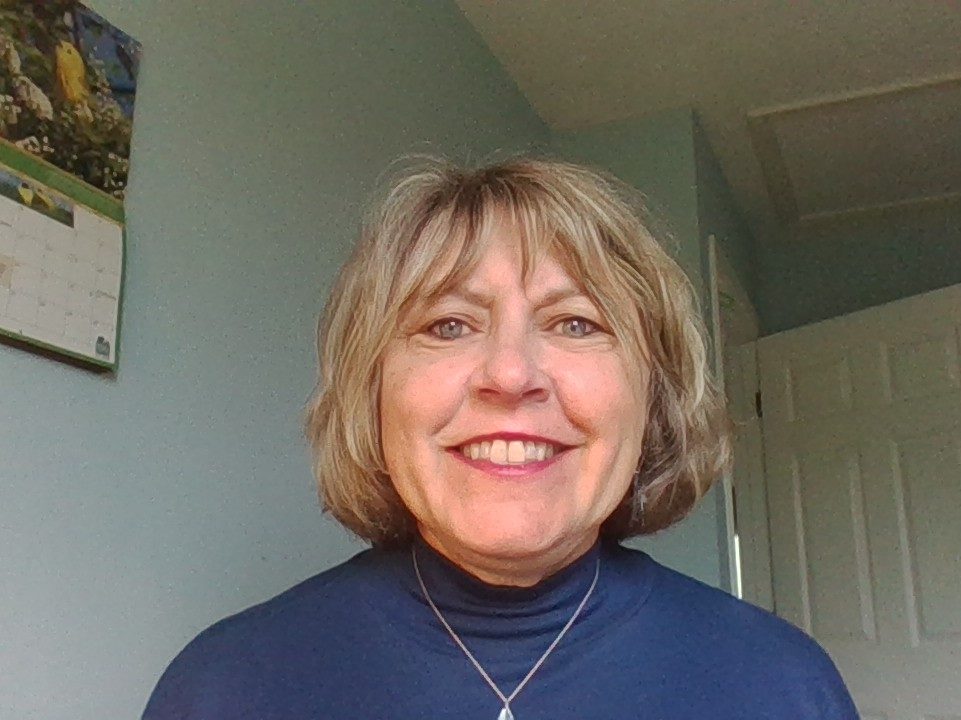
Connect with Dr. Timler on Twitter (@GeralynTimler) and Instagram (@timlergr).
You can also find more information about her work and the Social Communication and Language Evaluation (SCALE) Lab here.
Podcast Transcript
NOTE: This podcast was transcribed by a free tool called Otter.ai. Please forgive any typos or errors.
Danika Pfeiffer 0:11
Welcome to the about from and with podcast, a podcast showcasing speech language pathologists journeys to finding their passion and purpose in the field. I’m your host, Dr. Danika Pfeiffer. In each episode we’ll learn about from and with SLP clinicians and researchers as they share their experiences, advice and expertise.
Today I am excited to share a conversation with Dr. Geralyn Timler about her journey as a SLP. And her decision to go back to earn her PhD after working for over 10 years in the field as a clinician, Dr. Timler is a professor in communication sciences and disorders and director of the social communication and language evaluation lab at James Madison University in Harrisonburg, Virginia. She is also the program director for the on campus clinical SLP master’s program. Her research program includes examination of peer conflicts tasks, narrative and conversational analyses, as well as parent report and child self report measures to describe the social communication profiles of children with neurodevelopmental disorders. Her work has been published in several peer reviewed journals. In addition to all of these amazing things. Dr. Timler is also a terrific mentor, and is truly one of the kindest people I know. I had the pleasure of having her as one of my dissertation committee members, and her support was instrumental in my completion of my PhD. I’m so happy to have her here to talk with us today. Hello, thank you so much for joining me today. I’m excited to learn more about your journey in the field of speech language pathology. So welcome. Well, thank you for inviting me. I’m excited to share it. And I’m excited that anyone would want to hear it. Oh, yes, I think this will be interesting to a lot of slps in the field.
If we can, I want to start with kind of your undergrad journey. So I know you went to the University of Wisconsin. So tell me a little bit about your journey as an undergrad.
Geralyn Timler 2:24
One thing about me is I’m a first generation college student, I’m the oldest of four and the only one with one degree, much less three degrees. That’s what I have. So I wanted to go to a smaller state school. So I went to the University of Wisconsin Eau Claire. And I started as a special education major, I was very interested in working with people with disabilities, or particularly kids with disabilities. And I also had a German minor. And I would say about my third year in I realized I was I was getting a double certification and Elementary Ed and special ed. And I was teaching sixth grade math. And I thought there’s like five or six kids at the back of the room that just have no idea what I’m talking about. And I realized I really want to work with them. And I don’t think I want to work with them in a big classroom, I think I want to do one to one. And part of my special ed degree was to take intro to communication disorders and normal language development. And I worked so hard in language development, and I got an A minus. And that was interesting to me because it was so challenging. I couldn’t get an A in the class. So I switched my major my junior year, and finished in four and a half years with a degree in communication sciences and disorders from Eau Claire.
Danika Pfeiffer 3:43
Wow. Wow, that’s so exciting. And you said you had German as well, you studied German.
Geralyn Timler 3:49
I did. I had taken German in junior high and high school. And so I started in a 300 level class. And the deal at that time was I had to get a B or above in two courses, to 300 level courses. And then I could get 16 retroactive credits in German, said seem very attractive to me. And so by that time, then I realized, Oh, I only need to take by two more classes to have the minor. So I finished the minor and I actually loved college. So I had, I don’t know, like 140 credits or something by the time I graduated.
Danika Pfeiffer 4:27
Wow. All these great skills, all these great classes. As you’re finishing your undergrad, how did you decide kind of where you’re going to go next and what how you’re going to get into a master’s program and kind of tackle grad school. Well, I
Geralyn Timler 4:44
probably have the usual anxiety around getting into grad school and I knew you know, I didn’t have a lot of money and my parents weren’t helping me pay for it. So I knew I wanted to go in state somewhere. So I applied to Eau Claire, I applied to the University of Wisconsin Madison. Just on a whim because I read something by a professor there, I applied to the University of Washington. So those were the three programs that I applied to. And I got into two of the three and I was waitlisted at the University of Washington.
Danika Pfeiffer 5:15
Okay.
Geralyn Timler 5:15
So one decision I made that I still I think about this still today was I had a full assistantship to stay at my undergrad institution, Eau Claire. And it took me so long to decide not to take that assistantship. And so I thought maybe I should go to somewhere bigger. So I eventually decided to go to the University of Wisconsin Madison. Okay, I
Danika Pfeiffer 5:39
think a lot of people have have that tough decision of do I stay or do I try something new?
Geralyn Timler 5:47
Exactly. And I’m the graduate program director here at JMU. So I counsel students every spring semester about what to do. You know, I always think consider debt, because you don’t want to be so much in the hole. That’s really I think that’s really important. Because no matter where you go to school, when you get out, you’re going to make about the same amount of money as an SLP. You certainly can get good connections. But that’s usually through your externship, and most good universities have a variety of externships to do so. So it doesn’t so much matter the degree that you get, or the degree from which University as long as it’s an accredited ashra program, what really matters is your externships and some of your clinical opportunities and, and how well you do in those. But the one thing that Madison did for me was I was involved in some research labs. And I didn’t do a thesis, I thought about it, but I could never just pick one topic because I liked everything that I was introduced to. So I will say, I am so eternally grateful to my undergrad professors, because I really thought that I got outstanding clinical training, and I actually did clinic as an undergrad. But when I went to Madison, one thing that I got was to see how research works. So for example, I worked in john Miller salt lab, and I also worked in Larry Schreiber, x pepper lab. So I was doing language transcription. And then I was collecting data for Larry shriberg when he was running otitis media study on preschoolers and I collected I did some of the two hour protocols with the preschoolers that came in.
Danika Pfeiffer 7:22
And did you do that all as volunteer? Or was that a formal assistantship?
Geralyn Timler 7:27
I didn’t have assistantship, but I had worked steady money. So I was paid hourly. For that I did some of it was a volunteer, but I also needed money. So I was I was working for both of them. They had money to pay through, I think, work study at that time.
Danika Pfeiffer 7:42
Okay, wow, that’s great experience to learn from those leaders in the field early on.
Geralyn Timler 7:48
It was exciting. It was exciting. And you know, I went to school so long ago. So I’ll tell you that one of the courses I was able to take was a birth to three seminar that was a Ph. D seminar. And then I was I think, myself and another person, we were the only master students in there. And my advisor at the time said, Well, you could take the seminar if you want as an elective. But you know, we don’t really serve. We don’t that’s such a specialized area. Not too many people see children that young and so funny, because it’s my first job. That’s exactly what I ended up doing. So,
Danika Pfeiffer 8:23
well, the openness, you had that seminar.
Geralyn Timler 8:25
Exactly. And the and I knew that in again, in my undergrad program, I one of my clinic placements was in the infant communication program. That was my first clinic placement, as I had already worked with some toddlers. So I didn’t take your advice. And that worked out. That was probably good at that time, too. So and I think it’s always good to take any extra training that you’re interested in.
Danika Pfeiffer 8:52
Yeah, absolutely. because like you said, you don’t know where you’re going to end up, then how those skills might help you later. Exactly. Exactly. Were there any other experiences you can think of during your master’s program that you feel like really guided your clinical work and your next steps as you were getting ready to go in the field?
Geralyn Timler 9:11
I would say I was so on the fence about do I want to see adults or do I want to work with kids. And one thing that I hope to get as a master’s student was an externship in a children’s hospital and I didn’t get one. But that didn’t hurt me. It turns out because I was able to do some work in a children’s hospital anyway. But I I pretty much liked everything that I did. And that was so hard because I didn’t know now i i got a chance to work on Dr. Marilyn Kerr toys dissertation. So she wasn’t a doctor at that time. And she would always tell me, you’re a kid person, your child language person. That’s what you want to do. Because I was coding some of her data for her. Okay, her dissertation so she was right, but I ended up I ended up taking a job. Where I could do a little bit of both because I wasn’t quite sure what I wanted to do.
Danika Pfeiffer 10:05
I see, I think a lot of people struggle with that trying to decide which way to go. And it’s so nice that the master’s program, they prepares you to go any direction. And you can kind of change paths later if you decide to. So going, then you’re finishing up your master’s program, and you’re getting ready to go and start your clinical fellowship. So how did you decide where to go and transition into that?
Geralyn Timler 10:31
So I definitely felt like I’ve wanted a new experience. And I thought I did two programs in Wisconsin, and I was ready to move. And I thought I really want to go to the northeast, I had it in my head that I wanted to go to Boston, not sure why cuz I’d never been there. I thought I applied for a bunch of jobs there. And I applied for some jobs in Ohio, and then some jobs in Wisconsin. And nothing came through. And so I finally accepted a job in a school district that I had student taught in in northern Wisconsin, and it was a middle school high school job. And the day after I accepted the job, I got a call I had applied for one position in Southern California, because my lab mentor, Dr. JOHN Miller knew the director up in California, and she had contacted him and said, I’m looking for a CFO, she had done her PhD with him. So I applied for that job. And out of the blue. They called me the day after I accepted the school district job. And she said, You know, you’re a you’re a top candidate. So do Do I have to come out and interview and she said, No, no, no, we’re just going to hire you. I got hired over the phone, sight unseen and never been to California, you know, my parents, we would do local travel. When we were kids on vacation, we would go to jellystone Park and things like that. But you know, they we didn’t have the money to go a lot of places. So I just took this job sight unseen in Southern California, in Orange County, California.
Danika Pfeiffer 12:05
Wow, what an adventure.
Geralyn Timler 12:07
It was it was so I had to call the school district and turn that job down. And that was hard to do. But you know, it was I don’t have any regrets to do it. But I had not. I hadn’t signed any contracts. So so far, it was just an oral acceptance. And I said, Look, I have this opportunity to go to California and work in this clinic setting. And so that’s what I did. I packed up a car and Yep, and my friend of mine, we drove out together a college friend of mine.
Danika Pfeiffer 12:35
Wow, how nice. So you didn’t have to do it by yourself. That’s a long drive.
Geralyn Timler 12:39
Exactly, exactly. And she had already had her first baby. So I’m grateful to both her and her husband who took care of their baby while she drove out to California with me. Wow, that is a good friend.
Danika Pfeiffer 12:49
Yeah. So then you you get to California and you’re starting to work in the clinic setting. Is this a it’s a pediatric clinic? It is. Is
Geralyn Timler 12:59
it a Well actually we saw everyone from birth through adults because he had a speech and language side and then we had an audiology clinic. Okay, and it was a nonprofit Speech and Hearing Clinic, it’s still there, Providence speech and hearing. It’s located right across the street from Children’s Hospital, Orange County and St. Joseph’s Hospital, which was an acute care at that time acute care hospital, mostly for adults. Okay, so that so we saw everything that and because we were nonprofit, we were able to take Medicaid clients. So in California, that’s the funding for low income families. And we did have a preschool program where we had the SLP taught a group of preschoolers, usually six to eight preschoolers, we also had a alternative kindergarten program. We had a couple of toddler group toddler programs, too.
Danika Pfeiffer 13:52
Okay, so that sounds like it was a good fit for you because you kind of liked everything. So you got, I got exposure to everything.
Geralyn Timler 13:59
I did. I did. And I still can remember I can see the little faces of my very first clients during my clinical fellowship here. And now I think, Oh, I would do things so differently. But, you know, one thing, the lack of experience a new CF has is balanced by your enthusiasm for learning. And you know, I became so close with a lot of the families that I served, even though I probably didn’t know as much as I know now about things that I might do with the young children, but one of my first clients had both a visual impairment and a hearing impairment. And I had never had a client like that in grad school. And I had several children that were very unintelligible and that was frightening sometimes because they would say things and I wouldn’t understand what they were saying. Right, right. And yeah, figure out the treatment and what you’re going to do exactly, but fortunately, I had excellent CF supervision and because it was a large clinic There were slps in the clinic who weren’t my supervisor necessarily, but they were people who had a lot of experience and were willing to help me. So like, if I had a little fluency case there was somebody down the hall who was an expert in fluency. And I would I could go to her and say, so I would I always say that’s such a good thing for your first position is, yes, the money that you get paid in your first position is important, but you’re still learning so much. So you really want to have access to some good supervision, and I would pick that over a high paying job. I think the supervision piece is so important when you start your career.
Danika Pfeiffer 15:37
Yeah, that’s a great point. That’s a great thing to ask about during your interviews, you know, how much supervision then you know, how often will you see that person so that you can feel supported?
Geralyn Timler 15:47
Exactly. Because sometimes I know that the agencies the were, they can’t they do contracts with schools and hospitals, they sometimes pay new grads a little bit more. But because you’re not part of the system, wherever they place you, you’re an outside contractor, you don’t just get you don’t get the same level of support. So sometimes those agencies pay more, but they might not be the best place to start your career, that might be a good job to take maybe after your CF.
Danika Pfeiffer 16:15
Right. That makes sense. Yeah, that’s great advice. How long did you stay working in this center?
Geralyn Timler 16:22
So I was at the center. I, I when I moved there, I thought, Oh, I could live anywhere for a year. So I ended up at that center for nine years. Wow. Probably because there was so much variety. And I ended up of course, over time, you kind of specialize. So I ended up really doing a lot of early intervention in children’s homes to medically fragile children. And then I sauce after school kids, so school aged kids who came in, and primarily kids with language and learning disabilities, okay. And I had mentioned that we were right across the street from Children’s Hospital, Orange County or chalk, and I became the therapist. Now they have, I think, eight or nine slps. But at the time they had, they had no in house SLP. So my clinic Providence had the contract with them. And I would go there and I did their high risk infant clinic and I did their language and learning disabilities clinic where we were primarily ruling out ADHD or other language and learning difficulties. And the high risk infant clinic was for kids from birth to two. And then I also did the inpatients I did inpatients on the oncology floor, I saw little little babies with AIDS, I saw, you know, children who were post some kind of surgery for cancer. I also saw kids in the pediatric intensive care from an accident. It was not a it wasn’t, it was acute care. It wasn’t long term care, but they would come to chalk. And then I would see them until they were transferred.
Danika Pfeiffer 17:54
Wow. So it sounds like you had lots of really great experiences.
Geralyn Timler 17:58
I did. And it’s what kept me at in the job, I think and then eventually, you know, you move up so that you’re supervising your CF and our, our Director of the speech department left and I knew I didn’t want to do that administration job. But I was I took the job until we could find someone and I ended up being Acting Director for almost a year and a half before we found someone. Oh, wow. Wow.
Danika Pfeiffer 18:22
So you got Yeah, it sounds like you got to do lots of really great things and then getting some of that mentor mentorship experience to do that kind of start to make you When did you kind of start thinking that you might want to leave? And and when did you start wondering about research?
Geralyn Timler 18:40
Yes, that’s a great question. So in the back of my mind, one of the reasons I chosen to go to the University of Wisconsin Madison was I, I thought maybe I want to do research someday. Like I actually had done an undergrad research project that I submitted to the state convention. And it was supposed to be a poster, but at the last minute, they had me do it as a talk. And, you know, so I’d had that experience was very scary. But that’s one of the reasons I turned down money to go to the bigger school because I wanted to see if I would like research so I’d always had that in the back of my mind. And if I could do one thing over I would have worked fewer years before I went back like I I ended up at that clinic for nine years and then I still work two more years while I was searching trying to decide my next step. So okay, after about I was there for nine years, but like year 789 I was taking classes in the community college because I thought you know, I I like this, but I don’t think this is exactly what I want to do forever. And I know I don’t want to go into administration. I didn’t like that piece of the job. Okay, so
Danika Pfeiffer 19:50
I have courses were those.
Geralyn Timler 19:53
They were in everything they were unrelated to the field of play Human Resources fitness training. I mean I was just thinking, you know, I would take like one course at a time at night and just to learn something new, I had an opportunity to teach a course, in phonological disorders for Redlands University. So I did that. And I liked that I liked the teaching piece. And I just started to think about what is it that I want to do next, and I got an offer to join a private practice, which was more money and I and so I left after nine years, I went to this private practice in Irvine, California, okay, and still did community projects, I was on a community grant teach caregivers, and daycare workers and preschool teachers how to work with kids with disabilities so that they be included in those settings, and supported in those settings.
Danika Pfeiffer 20:47
I know Danika it’s really, really rewarding.
Geralyn Timler 20:50
Yes, and Danika you’ve done some of that work yourself. You love that kind of stuff. So
Danika Pfeiffer 20:54
it’s very rewarding.
Geralyn Timler 20:56
Yes, yes, exactly. So I was able to work in this private practice, but do some things on my own, that weren’t maybe as profitable so that I didn’t have to worry about billing hours and things like that. So um, but I started, I just decided, you know, maybe I do you want to get my PhD. After all, I had that dream when I was younger. And I was thinking, well, I don’t know, I’m so old. I was in my mid 30s at the time, and I thought, well, I’m gonna get older anyway. So that doesn’t matter. It doesn’t matter. So I thought I might as well try it. So I I applied for PhD programs. And I figured if I don’t get in, it’s not meant to be and I have this life. And it’s fine.
Danika Pfeiffer 21:37
Right? Yeah, why not? Exactly. Why not nothing to lose. I love that. I love how you you really took time, and you explored even things outside of the field, and then kind of came back to speech and said, This is what I want to do, and maybe do it in a different way.
Geralyn Timler 21:53
Exactly. That’s what I thought, I thought I really love this. But I’d like to do something else with it. That’s exactly what my feelings were. And so I applied to three schools. And one of the schools I applied to was the University of Washington because I still had it in my head, you know, I got waitlisted. And I never got in. And I, I also the main reason I applied though, was because I knew that I was a clinician at heart, I knew I really liked clinical work. So I did want to go somewhere where my mentor was interested in clinical research. And I had a few people who had worked with Leslie olswang at the University of Washington, and they, they were doing clinical research work. And I thought she’s the kind of person that I’d like to work with. So I knew enough about PhD programs that it’s not about the school you go to, it’s about the mentor that you’re going to work with. And that’s really important to get a good mentor. And I one of the things I would do when I interviewed at the PhD programs was talk to other doctoral students in the program to see what they thought about the program, and in particular, what they thought about their mentor.
Danika Pfeiffer 23:04
Yeah, I think that’s great advice. Because it really is you spend so much time with this person and, and they’re really going to help shape you into the researcher that you will become and so I think that’s great advice.
Geralyn Timler 23:15
Exactly. So um, so I did get into the University of Washington and I had a wonderful mentoring Team trubin Coggins, Leslie olswang, and Eileen Schwartz, I worked with those three, you know, when you enter a Ph. D program, you have an advisory committee. So it’s not just one person, it is a team of people that support you.
Danika Pfeiffer 23:36
And when you’re thinking about, you know, okay, now I’m going to leave my job in California, and I’m going to move to Washington, what were some things that you had to do to kind of prepare yourself to go back to school? Because I imagine there were a lot of things to make that big transition?
Geralyn Timler 23:50
Yes, it was very scary. I, it was a big transition. And I did have some friends who I was casually dating and accountant at the time, and he was telling me what a poor business decision that was, because because of the lost years of income, because it’s very hard to work full time while you’re a PhD student, especially if you go to a program where the expectation is that you are a full time student. And that’s that was the expectation. So it, you know, I just decided, if I if it didn’t work out, I thought, well, I could get another job as a clinician, and I had always wanted to, you know, live in Seattle, obviously, I thought about it as a young woman. So I figured why not? Right. But one of the things that was important to me was that I was funded as a PhD student, so if I wasn’t offered funding, I wouldn’t have gone. And at that time at the University of Washington, and I still think this is true. They also give you health benefits, so I didn’t have to pay for my health benefits and I had a source of income and I was taking myself sees with me. So I still was able to get part time speech pathology work to supplement my very low assistantship money. But it was enough to pay my rent and things, but not enough to do much else. But I was able to supplement my income.
Danika Pfeiffer 25:16
Right? That’s a really important, I think a lot of people wonder about that, you know, what would this look like? How much you know, I’m going to put my my job aside here, and I’m going to go back to school, but how am I going to afford to do this and make this happen?
Geralyn Timler 25:29
Exactly, exactly. So. And, you know, I will say to that one, and this probably wouldn’t be true for a lot of people. But because my first job was in a nonprofit clinic setting where we had a very limited retirement option, I actually didn’t have that much saved for retirement. So the funny thing is, academia is pretty good about retirement packages and things like that. So that that actually worked out better, even though at the time it was a decision of leaving a good income to stop working, or change the type of work you’re doing for much lower pay, you’re working just as hard. But I will say that the transition from being a clinician that that kind of had a following in the area, people knew me and I had referral sources too going to be someone where nobody really knows what you bring to the table. That was hard. It was hard transition.
Danika Pfeiffer 26:23
Yeah, I can imagine and you have to kind of prove yourself, you know, again, and I can imagine it would be overwhelming.
Geralyn Timler 26:30
Exactly. And you know, we all have a little bit of the imposter syndrome. So you know, me being a first generation student, I was around all these very smart people. And I would think about that, like, Oh, can I really do this? Am I smart enough? Am I gonna be able to make it, but I had chosen wisely. And my mentor, she was demanding, but always gave me feedback very quickly and promptly so that I could always do better. I probably rewrote my first manuscript, I bet you I had 22 drafts or more?
Danika Pfeiffer 27:03
I believe it?
Geralyn Timler 27:06
Yes. And she wouldn’t hurt, you know, she, I would get back my paper with all this red stuff on it at the time. And then, you know, she would encourage me. So I, my first manuscript came out of a series of two qualitative research classes I took. And that’s great. And I ended up writing that up. And that was my first first author publication that went out before I graduated from my Ph. D. program.
Danika Pfeiffer 27:30
So that’s great that you had that mentorship to go ahead and be able to write during your PhD and get it published, because I know that can be a struggle sometimes.
Geralyn Timler 27:38
Right, exactly. And I know you did that as well. Danika. You were you were very productive, too. So you did it the right way. Were you you went straight through masters PhD, right.
Danika Pfeiffer 27:50
So I don’t know if there’s a right way. But I think it’s different for everyone. But I think it’s great that you had all this clinical experience going into it. Did that help you know what topic you wanted to study? right away when you started your Ph. D program.
Geralyn Timler 28:06
I went in thinking that I wanted to do something with autism, because I was I did end up seeing a lot of children with autism. That was one of my specialty areas as I advanced through the years of working. And I knew I was very interested in social communication. And so I was going into the program thinking that’s where I was going to focus. And at the time, my two mentors, Truman Coggins, was very interested in fetal alcohol spectrum disorder was on the ffas Clinic team there. And Leslie was joining him on that. And she said to me, Well, you can do something in autism, but you, you know, you’ll, you’ll kind of be doing it by yourself, because we have this fjs project over here. And so I kind of scratched the surface of that. And I at that time, I really didn’t know too much about it. But I’d remembered when I was a clinician in California, that one of my clients, moms who was a nurse for the county, she had given me this big binder and said, You know what, you probably see kids with FA s, and you don’t even know it. And that was the first time I’d ever heard that term before the diagnosis. And so I’ve ended up then doing my dissertation and my first publication, and with children who have fetal alcohol spectrum disorder, and Okay, so I kind of stumbled into it, but it was related to the clinical interest I had, which is always been social communication, and pragmatics and, you know, really language. So it was all related. It was just studying in a different population.
Danika Pfeiffer 29:43
And that’s really interesting. I think that that can happen, you know, you get started and it might not, might not be exactly what you had originally planned, but maybe you know, there’s so many things in the field that are interesting. And once you start to learn more about the different parts of the field, I can see how how That can happen and turn into something really great. Right. And also, I
Geralyn Timler 30:03
think one of the things I learned, and this is something that committee member told me too, is, you know, this is not your life project. It’s your first research project. And if you do this first research project, you might think you know what this is really, this topic isn’t for me. And that’s not a loss, because you’ve learned how to do research, which is the main reason why you should get a PhD is to learn how to do research, if you go into a research PhD, that’s what you’re there to do. So and that was really helpful to think about it from that perspective, because you don’t know exactly when you’re taking something on, like, you feel like, Oh, this has to be my life’s work. But it doesn’t necessarily have to be your life’s work.
Danika Pfeiffer 30:46
Yeah, if you don’t have to do it forever. Yeah, learning the methodologies is so important. And that’s really the time to do it, and to try out all the different kinds of methodology. So that’s great, and especially having that mentorship to help you do that,
Geralyn Timler 30:59
right. And I will say to one of the things my clinical experience brought me was that I got, I was in the lend program there. And I was doing interdisciplinary evaluations and supervising their masters students as part of my assistantship, which is something I really love to do. So because of my clinical experience, it was absolutely wonderful for me to diagnose complex cases, again, you know, kids with complex communication needs and, and really to nurture younger, newer clinicians, I had that opportunity. The other thing that I didn’t know at the time, but I know now, and I sometimes tell new grads is that your C’s are so powerful. And what if you decide that you want to go into academia or do research, you don’t even really have to go into Speech and Hearing Sciences or language disorders, you could get degrees in psychology or education. But you always want to keep your C’s because those C’s open doors for you in in a lot of universities, because there’s a shortage of faculty in speak for speech language pathology programs. So our programs are hiring, hiring people who don’t have their seats, like will hire people in West x or people who are psychologists. So just because you end up doing a degree in something else, that doesn’t mean that you couldn’t work in a speech and hearing or communication sciences department.
Danika Pfeiffer 32:24
Separately, and there’s so many opportunities, you know, even when you become a faculty member to use those seeds, whether it’s supervision or or doing your own clinical work. Still, I think some sometimes people are hesitant about going to get a PhD because they think they have to give up all the clinical work. But there’s so many different ways that you can continue to use your CS once you once you do have your PhD. Exactly, exactly. And
Geralyn Timler 32:48
you certainly could go back into full time clinical worker or administration. Any of those careers are open.
Danika Pfeiffer 32:56
When you started your Ph. D program was your goal to become a faculty member.
Geralyn Timler 33:00
It was because I already had in my head that I wanted to change my careers. So I was looking forward to being an academic and I, I’d had a taste of it by teaching a graduate level course at Redlands University. And I had done clinical supervision of CFS, and then I did supervision during my PhD of masters students. So I had those pieces. And the you know, the piece that was missing that I needed to help with was the research and the writing part.
Danika Pfeiffer 33:32
And how long did it take? Because I know a lot of people wonder how long would it take me if I wanted to do a PhD? How long were you in your program? So
Geralyn Timler 33:39
I, I was there for four and a half years I did the program. I had to take some statistics courses, I chose to take some beginning level statistics courses, because that was one area that having worked over a decade, I really had forgotten a lot of that. So I started in January, and I graduated like in June. So it ended up being like a four and a half year program for me. Okay,
Danika Pfeiffer 34:08
yeah, I think that’s pretty average for our field. I think it can range but for I feel like around four years is is pretty average. Right?
Geralyn Timler 34:17
I know here at JMU. Our students are getting done in three years. So and Danika. I think that’s what you did, right? Yes.
Danika Pfeiffer 34:26
Yes, but I know that it can range.
Geralyn Timler 34:28
Yes, yes. And
Danika Pfeiffer 34:30
different programs have different requirements and all things to look into when you’re making a decision where you want to go.
Geralyn Timler 34:37
Right, right.
Danika Pfeiffer 34:38
Was there anything that surprised you about your Ph.D experience and your journey over those four and a half years that maybe you weren’t expecting when you decided to go back to school?
Geralyn Timler 34:50
I think just how it was, it was hard. Someone had warned me at the University of Washington. She said you know, you just lost your status and I said when she said, You, you’ve been working as a clinician for a long time in the same place. I’m sure people knew who you were and what you could offer. And that’s, you’ve lost that. And so it that was that was surprising to me like that feeling of really, it did feel like I was beginning a new career, even though I have a lot of background and experience. So that getting over that hump of feeling like, Oh, I’m starting over, and I don’t know if I can do it. And I would say you always have these periodic moments during your PhD, where you’re doubting yourself. That’s why it’s important to have a support group, other PhD students around you and, and a mentor that support and absolutely. So I one thing, too, that I noticed a bit compared to people who maybe only worked one or two years, they would talk about the workload of the PhD for me, the workload was really reasonable, because I was used to working eight to six at night or whatever. So the fact that I could sit in the library and read a journal article, and that was my job. Like, I’m supposed to read this right now at 11. In the morning, I just was I loved that I love that part of my job, again, was to learn and not to do I mean, I turned that learning into a to do but that piece of it was so enjoyable. For me I that was an unexpected pleasure to know that that’s how I was going to spend my day so that that the actual workload didn’t seem that different from me, because I was used to a very scheduled routinized work setting. So I could I would use those open hours, I had to get stuff done.
Danika Pfeiffer 36:35
Oh, that’s great. Yeah, I’m sure if your people wonder about that, to kind of what how their daily schedule might change. And you know, what their work hours might be, it’s nice that you have kind of a little bit more flexibility. Sometimes when you’re in your PhD, you know, when you’re going to study and when you’re going to write those papers and, and things like that. So then you you finish your PhD program, and how did you decide what was going to be your next step after that.
Geralyn Timler 37:00
So I just started looking for academic positions. And I just applied whatever positions looked interesting to me, I remember in one week, and you’ll relate to this, Dan, like I did four different academic interviews. I flew, I flew, I wanted to get closer to Wisconsin. So I flew to the east coast and did a number of interviews all that week that you know, got arranged. And that was that was an interesting time to to really see where what kind of university you want, and where do you feel like you fit the best cast to be a fit for you, but it also a fit for them. And so when you go on these interviews, yes, you’re being interviewed, but you’re also trying to figure out if this feels right for you. So I knew, I knew that I had spent some time learning how to be a researcher. So I knew that I wanted to have a blend of teaching and research, I didn’t want to just teach. And I felt, I considered a postdoc. And if I’d been younger, I would have done a postdoc, but I was already feeling like I gotta get going on my career again. So I that’s one of the things if I worked five years, I would have done my PhD and then I would have still done a postdoc. Because when you do a postdoc you come out with usually you have access to data, and you’ve just made a lot more connections. And it gives you a place to start when you’re starting your academic career.
Danika Pfeiffer 38:24
Right. But I feel like not everyone does definitely in our field, it’s it’s almost not as common to go into a postdoc, a lot of people tend to go straight into an academic position.
Geralyn Timler 38:36
Right, exactly, exactly.
Danika Pfeiffer 38:39
How did you know when you had found a good fit?
Geralyn Timler 38:42
I think I, you know, I really struggled with the right position, I would kind of get a feel when I was at visiting like, Oh, this doesn’t feel like the right kind of place for me or the, and it was also where you wanted to live to. So again, I the pert, I ended up my first position was at the University of Rhode Island, and my mentor knew the person who was going to be my academic mentor at this university. And that just felt like the right fit. It felt like the right size University and the right size. town are for me, so and they had a headstart grant that they were doing, and I was able to get on that grant for part of my teaching load, collecting some data, they were looking, it was a emergent literacy grant that they have with headstart kids. So great.
Danika Pfeiffer 39:32
So sure, that was great experience.
Geralyn Timler 39:34
It was great experience. It was a lot of fun to be in the headstart classrooms. And, and they It was a great for teaching, too, because I could talk about that. You know, besides talking about my clinical cases I’d seen in my career I could also talk about that is part of my teaching of mostly language disorders courses. Oh, that’s great.
Danika Pfeiffer 39:54
Wow. Yeah. And so kind of fast forward. Um, you’ve now been in In a few different faculty positions, and you’re now at James Madison University, and you have the social communication and language evaluation lab, can you speak a little bit about your lab and the work that you do?
Geralyn Timler 40:15
So I’m still very interested in clinical questions and I’m very in supporting the work of speech-language pathologists in the field. So, in the lab, we investigate different ways to collect language samples so we can see different kind of communicative functions that children do. Like, not just responding to questions, but how they respond to comments. That’s particularly important for children who have social-communication challenges. That they know how to keep a conversation going. We look at the accuracy of some norm-referenced tests that are out there. We’re also, this summer, hopefully, we’ll be recruiting kids again in person. We’ll be looking at some differences between narrative retell and narrative generation tasks. And which ones might give more information and be more accurate in identifying language disorders in kids.
Danika Pfeiffer 41:07
I know it’s exciting to think about seeing kids in person and doing research with kids in person again!
Geralyn Timler 41:14
It is! Everyone I think is so eager to do that. Particularly undergrad research assistants and master students. They really want to do that. So, and one of the joys I have too is mentoring students in their own research. So, this year I graduated two PhD students, well they did all the work! They graduated themselves, but that has been just a sheer joy to me. To have that opportunity to mentor new academics in the field.
Danika Pfeiffer 41:45
And they’re so lucky to learn from you and all of this experience you’ve had over all these years!
Geralyn Timler
Yeah, well I think we feel it’s a mutual relationship where you feel fortunate to work with each other. So that piece is good. And mentoring undergrad honors thesis’ students and then masters students too. It’s a wonderful experience. And I particularly enjoy. I would say the mentoring piece for me is my favorite part of the job.
Danika Pfeiffer 42:12
Oh, that’s great. I think sometimes people don’t think about that when they’re thinking about a PhD and what that might lead to.
Geralyn Timler 42:19
Yeah, it’s definitely very rewarding.
Danika Pfeiffer 42:22
As you think about all these experiences that you’ve had, what advice would you give others that are thinking about possibly leaving their clinical work and going back to pursue a PhD?
Geralyn Timler 42:34
I would talk to people at conventions, people with PhDs and ask them about their experience. I would also start finding articles and when you find an article that you like to read about a topic that’s interesting to you, look at who the author is and see what university they’re at. And see if they’re taking PhD students. And try to find a time to meet with them. The thing that ASHA has now, ASHA has so many programs for people that are even considering the PhD, so it’s worth trying to go to the ASHA convention, and going to some of the PhD roundtables to learn about different programs. One of my good friends that I met at a round table, when she was thinking about a PhD is Amy Donaldson who is up at Portland State University. But I remember meeting her and talking to her. And she was talking about leaving the clinical world and she eventually went to the University of Washington too. So she made that connection at an ASHA conference. So I think talking to people that have PhDs is definitely the way to do it. And it’s not like, you can spend a year or two really thinking about it and investigating it.
Danika Pfeiffer 43:46
Right, I think that’s great advice. Those round tables at ASHA are really helpful. That’s where I peaked my interest about a postdoc and what does that look like. Those round tables are really helpful for that purpose. And I think our field is a nice little small community. Everyone is kinda connected. And I feel like everyone is very open to talking about these things. Even though it can be intimidating to approach someone about it. I think I found that people are very open to talking.
Geralyn Timler 44:15
Exactly. And also too now, with social media, that’s just opened up a whole new world of finding out, right? So many researchers are on Twitter and they post about their work. And there are more people joining Instagram that are researchers that post about work in their labs. And you can see all the exciting things that are happening in labs around the country. And if some of those things interest you, you could contact that researcher, or contact one of the research students in that lab to learn more.
Danika Pfeiffer 44:46
Exactly. Well I have just three final rapid fire questions here that I’m gonna be asking all my guests. The first is, what is one resource that you have that you couldn’t live without in your daily work?
Geralyn Timler: 45:02
I think my students are probably the resource I couldn’t live without.
Danika Pfeiffer 45:06
Yeah, I love that. What has been a defining moment in your SLP journey?
Geralyn Timler: 45:15
I feel like I’ve had multiple defining moments. Both in clinic and in research. So definitely working with Leslie Olswang at the University of Washington. I’m so grateful I took the risk. That’s probably the biggest defining moment in my personal life, or my career life.
Danika Pfeiffer: 45:39
And what is one thing on your professional bucket list?
Geralyn Timler: 45:43
Well, I really want to get back in the lab and seeing kids. And looking at this idea of efficient ways to get the most information you can from narratives. So I’m very interested in helping clinicians find effective ways, and things that are doable in the clinical setting. So I also have to say that, I had an independent study group. And we read a lot this year about neurodiversity. And that’s really shaped my thinking about what are we doing in social communication interventions for older, middle school and high school, and adults, who have autism. Are we teaching them that they need to camouflage and hide who they are? So that’s really been stirring around. I’d like to do something with that. I just don’t know what yet. But it does make me rethink some of the things I used to teach. And whether that was the right way to go. And whether I was respecting the diversity of the people in front of me. Instead of trying to change it, should I have more respect and think about intervention in that way.
Danika Pfeiffer: 46:52
Right, oh that’s great. I think whatever that grows into will be very meaningful, very important work. Lastly, we’re just closing up here. Where can people connect with you and find you and reach out to follow the work that you’re doing?
Geralyn Timler: 47:07
So I have a Twitter account and an Instagram account. And it’s just my name. Geralyn Timler. And then you can go to JMU’s site and we have a webpage there too. And I hopefully this year will be at ASHA. Several of my students have poster proposals in. So we’ll see what happens. I guess we’re having a hybrid conference in DC. Part online and part in-person.
Danika Pfeiffer: 47:32
Yeah, at least we can do something after last year. It will be nice to connect again!
Geralyn Timler: 47:37
Exactly.
Danika Pfeiffer: 47:38
Great, well I will post all these links in the show notes so people can find them and connect with you if they have other questions about your journey and questions about PhDs. So thank you for being here today and sharing all of your experiences.
Geralyn Timler: 47:54
Well thank you so much for having me. I really enjoyed talking with you, Danika.
Danika Pfeiffer: 48:08
I hope you all enjoyed that conversation as much as I did. I think Dr. Timler had some really amazing insights on what it’s like to go back and pursue a PhD after establishing yourself in the field as a clinician. And some of the challenges that she faced. And now some of the rewarding aspects that she finds of her career.
Thank you so much for listening to this episode. I encourage you to follow the podcast so that you’ll be notified of new episodes as they come out. Also, please consider taking a minute to leave a review so more people can find the podcast and listen to it. I’d really appreciate it.
You can find the show notes and transcripts of the podcast at aboutfromandwith.com
Until next time, stay humble and kind!
 About, From, & With